Practicing acceptance means actively embracing reality as it unfolds instead of resisting or denying it. It involves acknowledging your current feelings and situations without judgment, which helps build emotional resilience and reduce stress. Using mindfulness techniques, you can stay present, observe your thoughts objectively, and detach from the intensity of emotions. This approach promotes calmness and responsible engagement with life’s challenges. By exploring acceptance further, you’ll discover more ways to incorporate it into your daily life for lasting peace.
Key Takeaways
- Recognize and label your emotions to accept them without judgment.
- Use mindfulness techniques to stay present and observe experiences objectively.
- Detach from emotional intensity to gain perspective and respond thoughtfully.
- Meet reality as it is, avoiding resistance or denial, while maintaining responsibility.
- Incorporate acceptance into daily routines for ongoing emotional resilience and peace.

Have you ever wondered how accepting life’s ups and downs can bring you peace? When you start practicing acceptance, you open the door to emotional resilience—your ability to bounce back from setbacks and handle stress more effectively. The key is learning to meet reality as it is, rather than how you wish it to be. This shift doesn’t mean giving up or becoming passive; instead, it involves actively engaging with your experiences without unnecessary judgment or resistance. One of the most powerful tools for cultivating acceptance is mindfulness techniques. These practices help you stay present and observe your thoughts and feelings without getting caught up in them. When you notice yourself feeling overwhelmed or upset, instead of fighting those emotions, you acknowledge them with gentle awareness. This creates space for clarity and calmness, making it easier to accept your current situation without denial or avoidance. Incorporating sustainable energy practices into your daily routine can also foster a mindset of acceptance and responsibility toward the environment. With mindfulness, you learn to observe your internal landscape objectively. For instance, if you’re upset about a mistake at work, instead of spiraling into self-criticism, you recognize the emotion—perhaps frustration or disappointment—and gently accept its presence. You might silently say, “This is how I feel right now,” which helps you detach from the intensity of the emotion. Over time, this practice strengthens your emotional resilience, enabling you to face challenges with a steadier mindset. Acceptance doesn’t mean you resign yourself to suffering or passively endure hardships; it means you acknowledge them, understand their role in your life, and choose to respond thoughtfully rather than react impulsively.
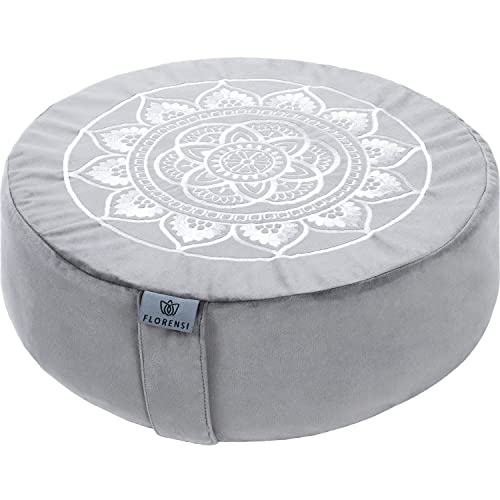
Florensi Meditation Cushion Grey Velvet Buckwheat Round Yoga Floor Seat
- Comfortable Meditation Seating: Stable and supportive for meditation and yoga
- Buckwheat Filled Cushion: Conforms to your seating for support
- Soft Velvet Cover: Stylish and comfortable surface for daily use
As an affiliate, we earn on qualifying purchases.
As an affiliate, we earn on qualifying purchases.
Frequently Asked Questions
How Can I Tell if I’M Truly Accepting or Just Resigning?
You can tell if you’re truly accepting or just resigning by paying attention to your mindful awareness. If you notice your emotions are present but not overpowering, you’re practicing acceptance. With emotional resilience, you acknowledge feelings without judgment and move forward. Resigning often feels like giving up or shutting down. True acceptance involves openness, patience, and a willingness to experience things as they are, even when it’s uncomfortable.
What Are Common Challenges Faced When Practicing Acceptance?
When practicing acceptance, you might hit emotional resistance like a stubborn door, making it tough to open. Unrealistic expectations can act as tangled vines, pulling you away from true acceptance. Challenges include battling inner doubt, fear of losing control, and clinging to what you wish were different. These hurdles can make acceptance feel like a rocky path, but with patience, you’ll find it’s the steady bridge leading to peace.
Can Acceptance Improve My Mental Health Significantly?
Yes, acceptance can substantially improve your mental health. When you practice mindfulness exercises, you become more aware of your emotions without judgment, which boosts your emotional resilience. This helps you handle stress better and reduces anxiety and depression. By accepting situations you can’t change, you free yourself from unnecessary suffering. Over time, this leads to greater inner peace, better emotional balance, and a more positive outlook on life.
How Long Does It Typically Take to See Results?
Think of acceptance like planting a seed; it takes time to see growth. Usually, you might notice small progress indicators within a few weeks, but meaningful change often takes a few months. The timeframe expectations vary depending on your consistency and openness. Be patient and gentle with yourself—just as a tree needs time to flourish, your mental health benefits from steady, ongoing practice.
Is Acceptance the Same as Giving up or Avoiding Problems?
Acceptance isn’t the same as giving up or avoiding problems. Instead, it builds your emotional resilience and supports personal growth by helping you acknowledge reality without unnecessary resistance. When you accept things as they are, you face challenges with clarity and calmness, allowing you to respond more effectively. This mindset empowers you to grow stronger, making it easier to navigate difficulties rather than sidestepping or surrendering to them.

52-Week Mental Health Journal: Guided Prompts and Self-Reflection to Reduce Stress and Improve Well-Being
As an affiliate, we earn on qualifying purchases.
As an affiliate, we earn on qualifying purchases.
Conclusion
By embracing acceptance, you open a peace so profound it can transform your entire world. When you learn to accept things as they are, you stop fighting against the impossible and start flowing with life’s endless tide. It’s not just a small shift—it’s a revolution within you that can turn chaos into calm, frustration into freedom. So, take a deep breath, let go, and watch your life become a masterpiece painted with the beautiful colors of acceptance.

The Mindfulness and Acceptance Workbook for Anxiety: A Guide to Breaking Free from Anxiety, Phobias, and Worry Using Acceptance and Commitment Therapy
As an affiliate, we earn on qualifying purchases.
As an affiliate, we earn on qualifying purchases.

YeeBeny Breathing lamp Guided 3 Color 478s Meditation for Stress Relief
- Breathing Lamp Function: Reduces stress and improves focus
- High-Quality Silicone: Soft surface with elegant white design
- Ideal Gift Choice: Perfect for family and friends
As an affiliate, we earn on qualifying purchases.
As an affiliate, we earn on qualifying purchases.