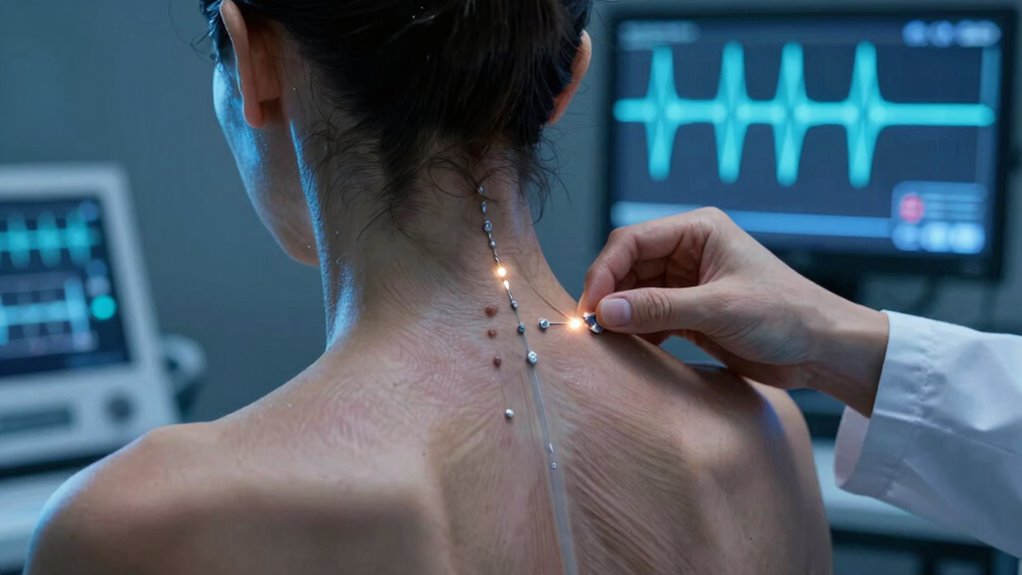

To track your nervous system patterns over time, use wearable devices that measure heart rate variability (HRV) and keep daily journals of your mood, energy, and sleep quality. Note stressors and relaxing activities to see their effects. Regularly review your data to identify trends, and adjust your routines accordingly—like adding meditation or improving sleep habits. Staying consistent helps you understand your body’s responses better, and you’ll discover more ways to optimize your resilience and well-being.
Key Takeaways
- Use wearable devices to regularly measure and record heart rate variability (HRV) for insights into autonomic nervous system activity.
- Maintain daily journals noting mood, stressors, activities, sleep quality, and relaxation practices to identify patterns over time.
- Track the effects of stress management techniques like meditation or yoga on your nervous system responses.
- Observe correlations between lifestyle habits, sleep quality, and nervous system indicators to inform adjustments.
- Consult healthcare professionals for data interpretation and personalized strategies to optimize nervous system health.
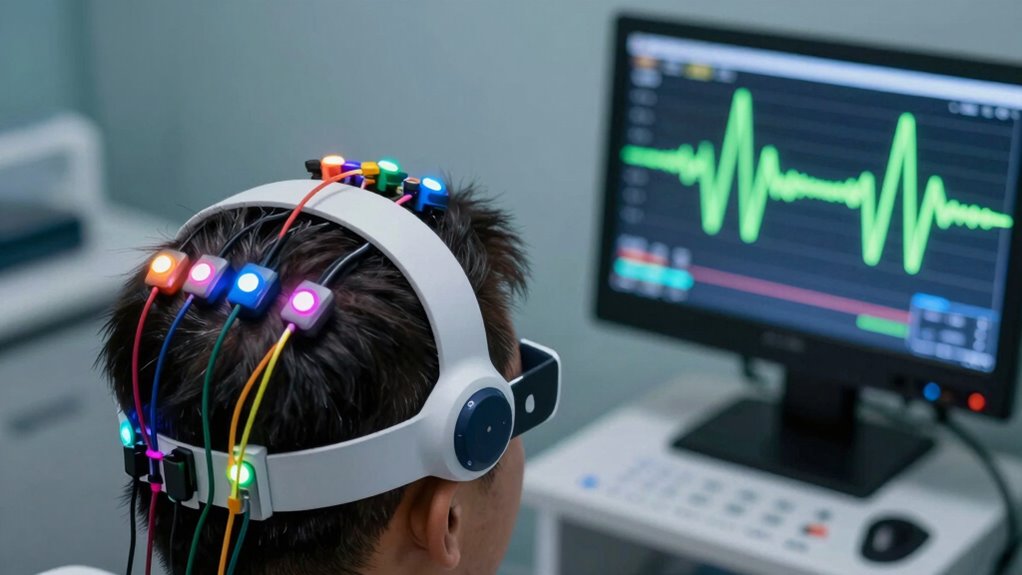
Tracking your nervous system patterns over time can provide valuable insights into how your body responds to stress, relaxation, and daily activities. By paying close attention to these patterns, you can identify triggers that elevate your stress levels or disrupt your sleep quality, enabling you to make more informed decisions about managing your health. One effective way to monitor your nervous system is through wearable devices that track heart rate variability (HRV). HRV offers a window into your autonomic nervous system, revealing whether you’re in a state of stress or relaxation. When your HRV is consistently low, it might indicate heightened stress or poor sleep quality, while higher HRV points to better resilience and recovery. Incorporating Free Floating strategies like mindful awareness of your environment can also help modulate your nervous system responses. In addition to wearable tech, keeping a daily journal can help you observe patterns over time. Record your mood, energy levels, and sleep quality each day, noting any notable stressors or relaxing activities. Over weeks or months, you’ll start to notice correlations between your lifestyle choices and your nervous system’s responses. For example, if you observe that your sleep quality drops on days when you experience higher stress, it’s a sign that managing stress more effectively could improve your overall rest. Conversely, relaxing practices such as meditation or gentle exercise might correlate with improved sleep and better nervous system regulation.
Consistent tracking also allows you to assess how specific interventions impact your nervous system. If you incorporate stress management techniques like deep breathing, yoga, or mindfulness, you can see whether these efforts translate into measurable improvements in your HRV or sleep quality. Over time, these insights empower you to tailor your routines to optimize relaxation and resilience. Remember, good sleep quality is fundamental to nervous system health, so paying attention to your sleep patterns and making adjustments as needed can greatly enhance your well-being. Recognizing the role of autonomic nervous system regulation is essential for understanding how your body adapts to stress and recovery, and this knowledge can guide your lifestyle choices. Additionally, understanding your autonomic nervous system’s responses can help you develop more effective stress management strategies tailored to your unique needs. Exploring the balance between sympathetic and parasympathetic activity can further deepen your understanding of your body’s stress responses and recovery processes.
Another useful approach is to schedule regular check-ins with healthcare professionals or qualified coaches who can interpret your data and help you develop personalized strategies. They can offer insights into how your nervous system responds to different stressors and recommend lifestyle modifications to foster better stress management and sleep. By monitoring your nervous system patterns regularly, you build a clearer picture of what works best for you, enabling proactive adjustments that support your mental and physical health. Ultimately, this ongoing process helps you cultivate a balanced nervous system, reducing stress and enhancing your sleep quality, so you feel more energized and resilient every day. Incorporating a holistic approach that includes physical activity, nutrition, and mental health practices can further improve your nervous system regulation.
heart rate variability HRV monitor
As an affiliate, we earn on qualifying purchases.
As an affiliate, we earn on qualifying purchases.
Frequently Asked Questions
Can Nervous System Patterns Predict Future Health Issues?
Yes, nervous system patterns can help predict future health issues. By monitoring your stress management and autonomic regulation, you can identify imbalances that may signal potential problems. Tracking these patterns over time allows you to recognize early signs of dysregulation, so you can take proactive steps to improve your overall health. Consistent observation helps you understand how your nervous system responds to stress and lifestyle changes, guiding better health decisions.
What Are the Best Tools for Tracking Nervous System Changes?
You can use biofeedback techniques and wearable sensors to track nervous system changes effectively. Biofeedback helps you monitor physiological responses like heart rate variability and muscle tension, providing real-time insights. Wearable sensors, such as heart rate monitors or EEG devices, continuously record data, making it easier to observe trends over time. Combining these tools allows you to identify patterns, manage stress, and improve your overall nervous system health proactively.
How Often Should I Monitor My Nervous System Patterns?
Like a vigilant lighthouse keeper, you should monitor your nervous system patterns regularly, ideally weekly or bi-weekly, to stay attuned to subtle shifts. This helps you adapt stress management strategies and improve sleep quality effectively. Frequent check-ins enable early detection of imbalances, ensuring you maintain resilience and balance. Consistent tracking empowers you to refine your approach, fostering overall well-being and preventing burnout before it takes hold.
Do Age or Gender Affect Nervous System Tracking?
Age influence and gender differences can impact nervous system tracking, as these factors affect how your nervous system responds and recovers. Older age might show slower recovery patterns, while gender differences could influence stress responses and autonomic function. When tracking your nervous system, consider these variables, as they help interpret changes more accurately. Adjust your monitoring approach accordingly, recognizing that your age and gender shape your nervous system’s unique patterns.
Can Tracking Nervous System Patterns Improve Mental Health?
Yes, tracking your nervous system patterns can improve mental health. By monitoring stress management and sleep quality, you gain insight into how your body responds to daily stresses. Recognizing patterns helps you adjust habits, reduce anxiety, and improve sleep. Over time, this awareness boosts emotional resilience and promotes better mental well-being, empowering you to make healthier choices and manage stress more effectively for a balanced nervous system.
wearable device for stress tracking
As an affiliate, we earn on qualifying purchases.
As an affiliate, we earn on qualifying purchases.
Conclusion
By consistently tracking your nervous system patterns, you’re not just observing—you’re revealing the secrets to mastering your entire being. Imagine having a superpower so powerful it could predict your stress before it hits or boost your resilience like a superhero. Keep at it, and you’ll soon be wielding this knowledge with the precision of a master strategist. Don’t underestimate the power of your nervous system—it’s your secret weapon to a healthier, happier life!
As an affiliate, we earn on qualifying purchases.
meditation and relaxation wearable
As an affiliate, we earn on qualifying purchases.
As an affiliate, we earn on qualifying purchases.