TL;DR
Crystal meditation sets are collections of stones people use as sensory or symbolic companions during meditation; there is no standard combination and no strong scientific evidence that crystals produce healing effects. Choose stones you like, check how they are described and cared for, and let your breathing or reflection remain the center of the practice.
A smooth stone can feel cool and heavy in your palm, giving your attention somewhere simple to land when your mind is racing. That small, physical cue is one reason people use crystal meditation sets: they turn an abstract intention, such as pausing for a few breaths, into something you can see and touch.

Turn your quiet moments into listening time
- Thousands of audiobooks, podcasts and originals
- Listen on your phone, tablet or Echo — also offline
- Cancel anytime
This guide explains what these sets are, how people use them, and what to check before buying one. You will also find practical ways to choose, handle, and store stones safely, while keeping spiritual meanings and scientific evidence in their proper places.
There is no required collection and no guaranteed result. A single pebble from a walk can serve as a meditation cue too. The useful question is whether an object helps you return to a practice that feels grounded and personal.
Crystal meditation sets have no standard contents; check the names, sizes, condition, and any treatment disclosures.
Choose by comfort, appearance, symbolism, or collecting interest, not by promises of guaranteed results.
A stone can act as a sensory reminder during meditation, while breathing or reflection remains the central activity.
Follow care instructions for each mineral; avoid unidentified stones in drinking water and keep small pieces from children and pets.
If sourcing matters to you, ask for specific origin information rather than relying on broad ethical or sustainable labels.
What a Crystal Meditation Set Usually Includes
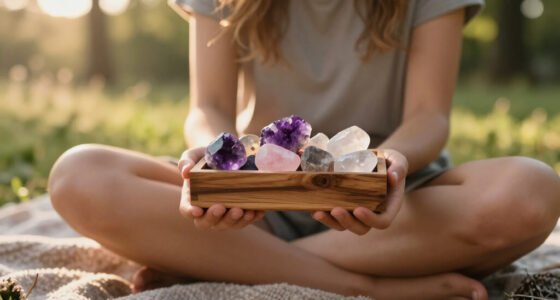
A crystal meditation set is a collection of stones chosen for meditation, reflection, or personal ritual, sometimes sold with a pouch, guide, or central stone. There is no standard recipe: one set may hold three polished pieces, while another contains a dozen stones with a printed card. The name describes a product idea, not a fixed mineral category. That variation matters because two sets with the same theme may offer very different materials, sizes, and care demands.
Many sellers select stones for color, texture, or traditional symbolism. Amethyst is often associated with calm or intuition, and rose quartz with love or compassion. Those meanings come from spiritual or cultural traditions; they are not established scientific effects. If a card says a pink stone represents compassion, you can treat that as a reflection prompt rather than a promise that the stone will change your feelings. The distinction lets you use symbolism in a personally meaningful way without relying on it to produce a predictable outcome.
Imagine setting a lavender amethyst beside your chair before a five-minute breathing break. Its color and cool surface may help mark the moment as different from checking your phone. The stone can be meaningful without having a special power: the routine and your attention are doing the work. This is also why a stone you already own can be as useful as a themed set.
Product labels can also be broad. A “grounding set” or “self-care collection” is usually a seller’s theme, not a standardized set of minerals or proven outcome. Read the item list to see what you will actually receive. Specific names and care notes help you judge whether the contents suit your practice and whether you can look after them.
Products Worth Considering

Therabody Theragun Mini 3rd Gen Massage Gun

Therabody Theragun Prime 6th Generation Deep Tissue Massage Gun, Navy
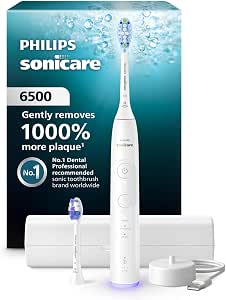
Philips Sonicare 6500 Series Rechargeable Electric Toothbrush with 2 Brush Heads, White
As an affiliate, we earn on qualifying purchases.
How Stones Can Give Your Meditation a Physical Focus
People use stones in meditation as sensory or symbolic reminders, not as proven sources of healing. You can hold one and notice its weight, trace a polished edge with your thumb, or place it in view as a cue to return to your breath. The stone works more like a bookmark than a steering wheel: it can mark your place, but it cannot do the practice for you. A concrete cue can be especially useful when an intention such as “be present” feels too vague to act on; texture and weight give attention something immediate to notice.
For example, you might set a small quartz on your desk before a quiet lunch break. When you notice its clear surface, you take three slow breaths and listen to the hum of the refrigerator instead of opening another tab. That is a concrete way to use an object to support attention. It does not show that the quartz caused a medical or energetic change. The benefit, if you find one, comes from the pause and the attention you bring to it.
The meditation method matters more than the particular stone. Slow breathing, sensory attention, or a guided reflection can provide the structure; a stone may simply make the routine feel tangible. Some people value the symbolism, while others just like the feel of a smooth object in their hand. Choosing a method first helps keep the stone in a supporting role, and makes it easier to tell whether the routine itself suits you.
Research has not established that crystals themselves produce specific healing effects beyond possible ritual, sensory, or placebo-related roles. If holding a stone helps you settle, you can appreciate that experience while keeping health claims separate. A crystal should not replace medical advice or treatment. This distinction protects both practical choices and personal meaning: you can value a ritual without treating its effects as guaranteed or medical.
Choose a Set That Fits Your Hands, Habits, and Budget
The best beginner set is one whose contents you enjoy and can identify, with care information you can understand. You do not need a large collection, an elaborate ritual, or a prescribed combination to begin. One comfortable stone—or an ordinary object you already own—can serve the same practical role as a whole set. Starting small reduces the cost of discovering what you actually use, while a larger set makes sense if variety or collecting is part of the enjoyment.
Before buying, decide whether the set is mainly for meditation, collecting, gifting, or a particular spiritual tradition. Then check the names and number of stones, their size and condition, whether the seller discloses dyes or treatments, and whether a pouch or box suits how you plan to store them. “Crystal set” can include natural minerals, treated stones, glass, or a mixture. Clear details help you compare like with like; without them, a low price or appealing theme may conceal contents that differ from what you expect.
Consider two shoppers. Maya wants something small to hold during a five-minute pause, so three smooth stones and a simple pouch may fit better than a large assortment. Her friend collects minerals and wants accurate identification, so a labeled set with clear treatment details is the stronger match. Their right choices differ because their reasons differ. The example shows why the number of stones alone is a poor measure of value: useful information and fit with the intended use can matter more.
Use this quick order to compare listings:
- Set your purpose. Decide how you expect to use or enjoy the stones.
- Check each item. Look for mineral names, sizes, condition, and treatment disclosures.
- Check the seller’s claims. Treat promises of guaranteed results as sales language, not established evidence.
- Match care to your space. See whether storage and handling guidance fits your routine.
For example, if you meditate beside a sunny window, care instructions matter before you leave a light-sensitive stone on the sill. A clear description can be more useful than an extra card with an elaborate ritual. A set that is easy to care for is more likely to remain part of a routine than one that requires uncertain or inconvenient handling.
Compare Stones by Preference, Not by Promised Results
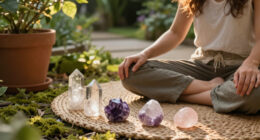
There is no required combination of stones for meditation, so compare sets by what you like, what they contain, and what information the seller provides. Popular choices include amethyst, clear quartz, rose quartz, and black tourmaline; each has traditional associations, but those meanings do not prove that a stone will create a particular effect. A comparison can help you choose without turning symbolism into a guarantee. Thinking in terms of use also clarifies tradeoffs: more pieces can offer variety, while fewer clearly identified stones may be simpler to handle and understand.
Suppose you are choosing between two small sets. One has polished rose quartz and amethyst that feel comfortable in your palm; the other has more stones but no labels or care guidance. If you want a straightforward object for a breathing break, the labeled set may be easier to use, even if it contains fewer pieces. If your priority is browsing shapes or arranging a display, the larger assortment could be more appealing, provided you are comfortable with the missing details.
| What to compare | Set A | Set B |
|---|---|---|
| Contents | Three named polished stones | Eight assorted pieces with unclear names |
| Information | Lists known treatments and care | Uses broad themed descriptions |
| Practical fit | Small pouch and palm-sized stones | Loose pieces in a display box |
| Best match | Simple handling and a clear routine | A buyer who enjoys variety and display |
These examples describe shopping tradeoffs, not a ranking of spiritual value. If a color draws your eye or a shape feels pleasant to hold, that preference is a valid reason to choose it. The important distinction is between a personal association and a verified claim about what a stone can do. Product information helps with practical questions; personal preference helps with the experience. Neither has to stand in for the other.
Use a Stone as a Gentle Cue, Step by Step
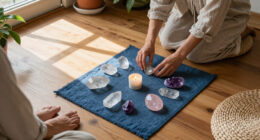
To use a stone during meditation, choose one you can handle comfortably and pair it with a simple practice such as slow breathing or noticing sounds. You do not need a special sequence or a particular crystal. A familiar, repeatable routine can make it easier to treat the set as a cue rather than a source of promised outcomes. Keeping the steps simple also means you can notice whether the practice is helpful without attributing every feeling to the stone.
- Pick one stone. Choose by feel, color, or personal meaning. If your set includes several pieces, leave the rest stored while you practice.
- Find a steady spot. Sit somewhere comfortable and place the stone in your palm or beside you where it will not roll.
- Notice what is there. Feel its temperature and texture, then listen to nearby sounds. You might notice a smooth edge, a cool surface, and the soft click of a clock.
- Return to your breath. When your mind wanders, use the stone as a reminder to notice one breath and begin again.
- Finish when you planned. Put the stone away, and notice whether the pause suited you. Keep the practice simple enough to repeat.
Picture arriving home after a crowded train ride. You set a palm-sized stone on the table, sit for five minutes, and pay attention to your breath as the room grows quiet. The stone is a visible marker for the pause; you can use the same steps with a shell or a smooth pebble if that feels more natural. A flexible cue helps the routine adapt to your preferences instead of making meditation depend on owning a specific set.
Some people follow rituals from spiritual traditions, while others prefer a practical mindfulness cue. Either choice can be personal. Keep any health decisions grounded in appropriate care, and let meditation complement rather than replace it. If the object becomes distracting or uncomfortable, setting it aside is part of adapting the practice.
Check Care and Sourcing Before You Bring Stones Home
Before handling or cleaning a stone, check its specific mineral care guidance; different stones respond differently to water, sunlight, heat, and chemicals. Polished pieces are often intended for handling, but a shiny surface does not tell you everything about its composition or durability. Avoid putting unidentified stones in drinking water or preparing “crystal elixirs” by direct contact, especially when you cannot verify what the stone contains. This caution matters because appearance and seller themes do not reliably reveal whether a mineral can shed material, dissolve, or react with a cleaning method.
Use simple precautions: keep small pieces away from young children and pets, do not eat or grind stones, and wash your hands after touching dusty or rough specimens. A loose sharp fragment can scratch skin, while a small polished stone can still be a choking hazard. If you have mixed pieces in a pouch, check whether they might scratch or chip each other before storing them together. Handling and storage are part of choosing a set: delicate or dusty pieces may be less suitable for frequent use in the hand.
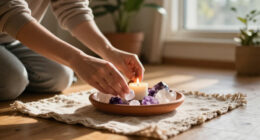
Care also includes the conditions where you keep them. A sunny shelf can look lovely, but some minerals may be sensitive to light; moisture, heat, and chemicals can also be unsuitable. A soft pouch or divided box can prevent scratches and loss. If you are unsure what a stone is, ask the seller for its mineral name and care instructions before cleaning it. If that information is unavailable, choosing a low-risk display or keeping it dry avoids guessing about a treatment that could damage the stone or expose you to residue.
Sourcing deserves a closer look too. Mining and trade can raise environmental and labor concerns, and long supply chains can make origins hard to verify. If that matters to you, look for specific origin details and ask what the seller can substantiate. Broad labels such as “ethical” or “sustainable” are less informative when they do not explain the source. More traceable information may narrow your choices or cost more, so the decision is a personal tradeoff between price, availability, and confidence in what is known.
Keep Your Expectations Grounded and Your Practice Personal
Crystals have no reliable scientific evidence of healing illness or reliably changing a person’s energy. That fact can sit alongside respect for personal or spiritual meaning: people may enjoy a stone’s appearance, tradition, or role in a reflective routine. A thoughtful practice does not require you to claim more than you know. Keeping these ideas separate makes room for a meaningful ritual while avoiding decisions based on effects that have not been demonstrated.
When a product promises that a specific set will cure a condition or guarantee a life change, treat that as a seller’s claim rather than a dependable result. For instance, someone who finds a rose quartz helpful as a reminder to pause may value the ritual. If they are dealing with a health concern, they should seek appropriate medical care instead of relying on the stone. The practical consequence is clear: a symbolic object can accompany care, but cannot establish a diagnosis or replace treatment.
Ask yourself what you want from the set. If you want a tactile focus for breathing, a low-cost single stone may be enough. If you enjoy mineral collecting, identification, condition, and storage may matter more. If the symbolic associations feel meaningful within your own beliefs, you can use them as prompts for reflection without treating them as scientific findings. Naming your purpose before shopping helps you spend on what will actually support that purpose rather than on a seller’s promise.
A stone can remind you to pause; the pause itself is the practice.
That simple distinction leaves room for both curiosity and clear judgment. Your set does not need to be impressive or expensive to be useful to you. A small object that helps you make a little space in a busy day may be all you need.
Frequently Asked Questions
Do crystals have proven healing powers?
No reliable scientific evidence shows that crystals heal illness or reliably change a person’s energy. Some people value them as part of a calming or reflective routine, but crystals should not replace medical care.
Which crystals belong in a meditation set?
There is no required combination. Amethyst, clear quartz, rose quartz, and black tourmaline are popular choices with traditional associations. Pick stones you enjoy and can identify clearly.
How do I use a crystal during meditation?
Hold a comfortable stone, place it nearby, or use it as a visual cue to return to your breathing. The meditation is the main activity; the stone is optional. A small pebble can work as a cue too.
Do I need to cleanse or charge crystals?
No single cleansing method is standard or scientifically required. Some spiritual traditions use cleansing or charging rituals, and you can choose one that fits your beliefs. Check care advice first, since water, salt, sunlight, or heat can damage some stones.
How can I tell whether a crystal is real?
Appearance alone may not show whether a stone is natural, dyed, heat-treated, reconstructed, or imitated with glass. Ask for the mineral name and treatment details; for a valuable specimen, consult a qualified mineral dealer or gemologist.
Are crystal meditation sets safe to handle?
Ordinary polished stones are generally intended for handling, but do not ingest, grind, or use unidentified stones in water or on food. Keep small pieces away from children and pets, and use care with sharp, dusty, or fragile specimens.
Conclusion
Start with one clearly described stone that feels good in your hand, and use it to mark a few quiet minutes of breathing or reflection. You do not need an elaborate collection, a fixed recipe, or a promise of healing for the practice to feel personal.
Let the stone be a small reminder to pause: cool against your palm, steady on the table, and quiet while the rest of the day keeps moving.