
TL;DR
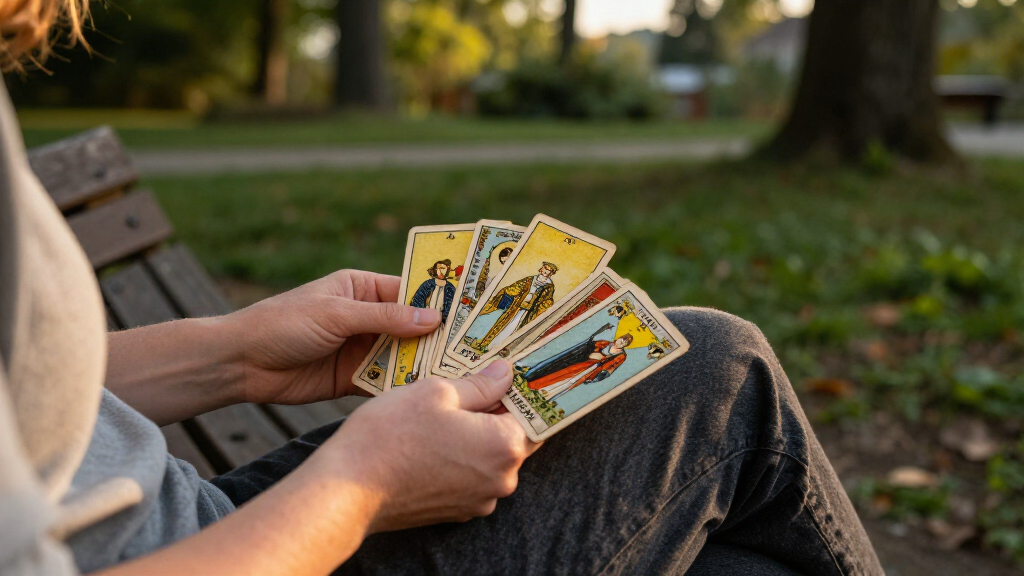
A new exhibition showcases some of the oldest known tarot decks, providing a rare glimpse into early spiritual and divination practices. Experts confirm the authenticity of these decks, which date back several centuries.
For the first time, a collection of the oldest known tarot decks has been publicly exhibited, offering a rare glimpse into the history of divination and spiritual practices. The exhibition, opened in early April 2024 at the Museum of Historical Mysticism, features decks dating back several centuries, confirmed by experts to be authentic.

Give the gift of listening to someone you love
- Choose a 1-, 3-, 6- or 12-month membership
- They pick the audiobooks they love
- Easy to send by email
Why the Oldest Tarot Decks Change Our Understanding of Divination
This exhibition matters because it redefines the origins of tarot as a spiritual and cultural artifact, rather than merely a tool for fortune-telling. It highlights the decks’ historical significance, showing their role in medieval and Renaissance spiritual practices. For researchers and enthusiasts, these decks offer tangible links to early symbolism and artistic expression, enriching the understanding of how tarot evolved. Additionally, the authentication of these decks confirms their age and origin, making them valuable for both academic study and cultural preservation.
Products Worth Considering

Philips Sonicare DiamondClean 9500 Electric Toothbrush, Black, with 3 Brush Heads

Philips Sonicare 7300 Rechargeable Electric Toothbrush with 3 Brush Heads, Black

Philips Sonicare ProtectiveClean 5300 Rechargeable Electric Toothbrush with 3 Brush Heads, Black
As an affiliate, we earn on qualifying purchases.
Historical Background of Early Tarot Decks
Tarot decks first appeared in Europe during the late 14th to early 15th centuries, initially used for playing card games before becoming associated with divination. The earliest surviving decks are rare, often held in private collections or museums, and their origins are shrouded in mystery. Previous scholarly work relied on historical texts and limited artifacts, with few decks definitively dated before the 17th century. The recent discovery and authentication of these decks provide concrete evidence of their early existence and artistic styles, bridging gaps in the historical record.
“These decks are invaluable for understanding the symbolic language and spiritual worldview of early Europeans. Their preservation allows us to see how art and mysticism intertwined in that era.”
— Dr. Maria Lopez, historian specializing in medieval art
Remaining Questions About the Decks’ Origins and Use
While experts have confirmed the authenticity and age of these decks, questions remain about their exact origins and how they were used in their time. It is not yet clear whether these decks were primarily for gaming, spiritual rituals, or divination, as some decks served multiple purposes. The provenance of some decks is still under investigation, and further research is needed to understand their full historical context. Additionally, the extent to which these decks influenced later tarot designs remains a subject of scholarly debate.
Next Steps in Research and Public Engagement
Researchers plan to conduct further scientific analysis, including more detailed pigment and paper studies, to better understand the manufacturing techniques. Scholars will also study the iconography and symbolism to trace influences on later tarot decks. The exhibition is expected to run through the summer, with accompanying lectures and workshops. Additionally, institutions are considering digitizing high-resolution images of the decks to facilitate wider academic and public access, expanding understanding of early tarot history.
Key Questions
How were these decks authenticated?
Experts used scientific techniques such as pigment analysis and paper dating to verify the age and origin of the decks, confirming they date back to the 15th and 16th centuries.
Are these decks similar to modern tarot cards?
While they share some symbolic elements, the oldest decks differ significantly in artistic style and card structure from contemporary tarot decks, reflecting their medieval origins.
Where can I see these decks?
The decks are part of the ongoing exhibition at the Museum of Historical Mysticism, open to the public since early April 2024.
What is the significance of these decks for modern spirituality?
They offer historical insight into the symbolic language and spiritual practices of early Europeans, enriching contemporary understanding of tarot’s cultural roots.
Will there be further exhibitions or publications?
Yes, the museum plans to host additional events and publish detailed studies based on the decks to deepen public and scholarly engagement.
Source: rss