
Somatic therapy helps you understand the freeze response by tuning into your body’s physical signals, like stiffness or numbness, during overwhelming stress or danger. It guides you to recognize early signs and gently move or breathe to release immobilization. By doing so, you can rewire your nervous system for healthier responses, fostering a sense of safety and control. If you stay engaged, you’ll discover how this approach can support your healing and resilience over time.
Key Takeaways
- Somatic therapy targets the body’s physical sensations to help process and release the immobilization caused by the freeze response.
- It increases awareness of early stress signals, enabling proactive regulation before full freeze occurs.
- Gentle movement and breathwork in somatic therapy help recalibrate the nervous system, reducing involuntary freeze reactions.
- The approach leverages neuroplasticity to rewire neural pathways, promoting healthier responses to stress and danger.
- Reconnecting with bodily sensations fosters healing, emotional regulation, and a sense of control over trauma responses.

When faced with danger or overwhelming stress, your body may naturally enter a freeze response—a state of immobilization designed to protect you from further harm. During this reaction, you might feel numb, stiff, or unable to move, as if your body has shut down to shield you from emotional or physical pain. This response is rooted in your nervous system’s survival mechanisms, and understanding it can be key to healing. Somatic therapy offers a way to work through this response by focusing on your body’s sensations and increasing your awareness of them. This process taps into neuroplasticity, your brain’s ability to reorganize and form new neural connections, especially around stress and trauma. As you become more aware of your body’s signals, you may start to rewire how your brain responds to stress, gradually reducing the freeze response over time.
Body awareness is central to somatic therapy. Instead of just talking about your feelings or memories, you learn to tune into what’s happening physically in your body. For example, you might notice a tightness in your chest or a tingling sensation in your limbs. By observing these sensations without judgment, you create a safe space to explore and process the underlying emotions or memories connected to the freeze. This heightened awareness allows you to recognize the early signs of stress, giving you a chance to intervene before the freeze fully takes hold. Additionally, understanding the role of the nervous system in stress responses can enhance your ability to regulate these reactions. Developing body-centered coping skills through somatic practices can further support your resilience. Recognizing how neuroplasticity shapes our responses emphasizes the importance of consistent practice in rewiring neural pathways. Over time, this practice helps you build resilience, as your nervous system learns new ways to respond to threat signals. Engaging in mindful movement can also help break the cycle of immobilization by fostering a sense of control and agency over your physical responses.
Somatic therapy encourages gentle, mindful movement or breathwork as tools to help break the immobilization cycle. As you engage in these practices, your nervous system begins to recalibrate, promoting a sense of safety and control. Because neuroplasticity allows your brain to adapt based on your experiences, consistent practice can lead to lasting changes in how you respond to stress. You start to notice that your body no longer automatically goes into freeze mode, and instead, you can consciously choose to stay present and grounded. This shift is empowering—it helps you regain a sense of agency over your reactions and fosters healing from trauma. Ultimately, somatic therapy helps you reconnect with your body, rewire your nervous system, and develop a healthier, more adaptive response to stress and danger.

Somatic Therapy Workbook Exercises to Treat Trauma, Complex PTSD and Dissociation: Mindfulness, Self-Compassion, and the Mind-Body Approach to Reduce Stress and Heal Trauma
As an affiliate, we earn on qualifying purchases.
As an affiliate, we earn on qualifying purchases.
Frequently Asked Questions
Can Somatic Therapy Completely Eliminate the Freeze Response?
Somatic therapy can’t completely eliminate the freeze response, but it helps you manage it better. By improving your emotional regulation and body awareness, you learn to recognize early signs of the response and gently counteract it. The therapy equips you with tools to stay grounded and safe during triggers. While you may still experience the freeze, you gain resilience and control, reducing its impact on your daily life.
How Long Does It Typically Take to See Results From Somatic Therapy?
You might start noticing results from somatic therapy in a few sessions, but it varies based on your specific needs and consistency. As you strengthen your mind-body connection, you’ll improve emotional regulation, making it easier to manage stress and trauma. Regular practice helps you become more aware of bodily sensations, enabling quicker responses to emotional triggers and fostering overall resilience. Patience and commitment are key to seeing meaningful progress.
Is Somatic Therapy Suitable for Children or Adolescents?
Think of somatic therapy as a gentle bridge connecting a child’s developing mind and body. It’s suitable for children and adolescents, helping with emotional regulation and supporting healthy child development. By focusing on bodily sensations, it allows young clients to process feelings safely. With proper guidance, somatic therapy can be a powerful tool for children to build resilience and foster emotional growth, just like nurturing a delicate sapling into a sturdy tree.
Are There Any Risks or Side Effects Associated With Somatic Therapy?
You should be aware that somatic therapy generally has minimal risks, but some people might experience temporary discomfort as they increase body awareness and work through emotions. This process can sometimes bring up intense feelings, affecting emotional regulation. It’s important to work with a trained therapist who creates a safe space, ensuring you feel supported while exploring sensations. If discomfort persists, communicate with your therapist for adjustments.
How Does Somatic Therapy Compare to Other Trauma Treatments?
You might find somatic therapy more effective than traditional talk therapies because it emphasizes the mind-body connection and improves emotional regulation. Studies show that about 60% of trauma survivors see significant benefits from somatic approaches. Unlike some treatments that focus solely on talking, somatic therapy engages your physical sensations, helping you process trauma stored in your body, leading to deeper healing and lasting resilience.

YeeBeny Breathing lamp Guided 3 Color 478s Meditation for Stress Relief
- Breathing Lamp Function: Reduces stress and improves focus
- High-Quality Silicone: Soft surface with elegant white design
- Ideal Gift Choice: Perfect for family and friends
As an affiliate, we earn on qualifying purchases.
As an affiliate, we earn on qualifying purchases.
Conclusion
In the end, you’d think facing trauma would be straightforward, but instead, your body’s natural freeze response keeps you trapped in silence. It’s ironic how your own physiology can work against you, hiding your truth just when you’re ready to speak. Yet, through somatic therapy, you discover that even the deepest freeze can thaw. So, perhaps the real surprise is that your body, once your enemy, can also be your greatest ally in healing.

Dance/Movement Therapy for Trauma Survivors
As an affiliate, we earn on qualifying purchases.
As an affiliate, we earn on qualifying purchases.
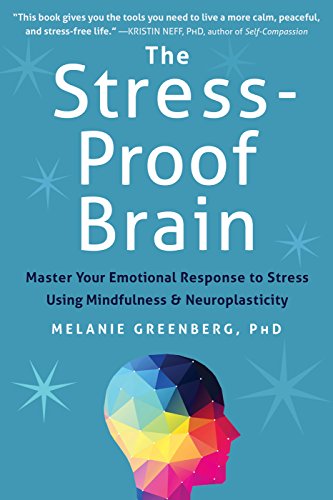
The Stress-Proof Brain: Master Your Emotional Response to Stress Using Mindfulness and Neuroplasticity
As an affiliate, we earn on qualifying purchases.
As an affiliate, we earn on qualifying purchases.