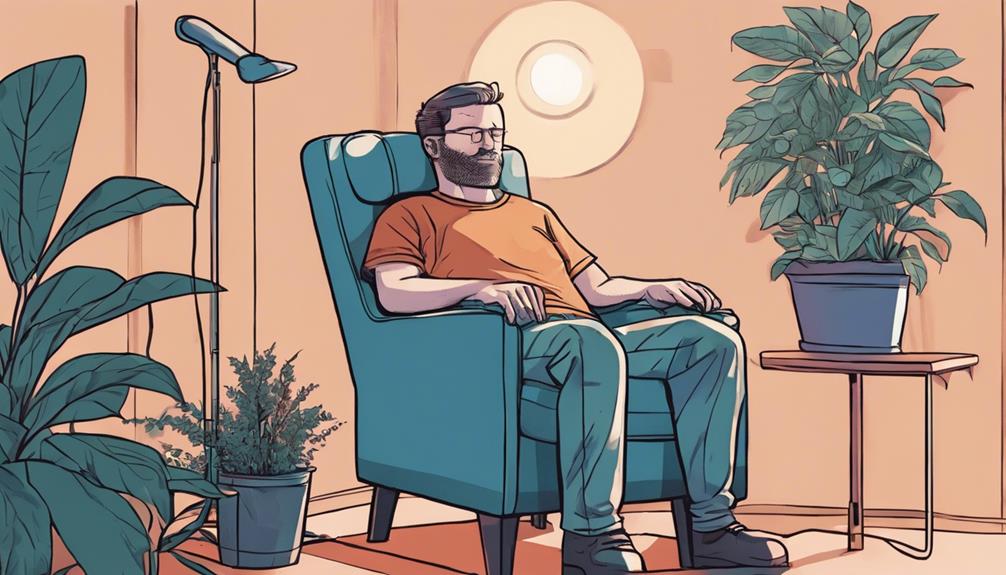

After long-term stress, your body remembers through chronic muscle tension, headaches, and limited movement. Your nervous system adapts by reinforcing tension, making relaxation harder and heightening anxiety. Hormonal imbalances from cortisol and adrenaline can disrupt sleep, mood, and immune function. These physical and emotional imprints increase your vulnerability to health issues over time. If you want to understand how these effects build up and how to manage them, there’s more you need to know.

Get books, candles and calm essentials delivered free — and shop member deals
- Fast, free delivery on millions of items
- Access to Prime Big Deal Days deals on October 6–7
- Prime Video, Amazon Music and more included
Key Takeaways
- The body retains persistent muscle tension, leading to chronic pain, fatigue, and posture issues.
- Nervous system adaptations reinforce tension, anxiety, and emotional discomfort over time.
- Long-term stress causes hormonal imbalances, increasing inflammation and disrupting immune and metabolic functions.
- Physical tension and hormonal changes perpetuate mental health issues like anxiety and depression.
- These long-lasting imprints heighten vulnerability to health problems and require targeted stress management.
Long-term stress leaves a lasting imprint on your body, often in ways that aren’t immediately visible but can considerably affect your health. When stress persists over time, your body adapts in ways that can become ingrained, affecting both your physical and mental well-being. One of the most noticeable changes is muscle tension. Under constant stress, your muscles remain in a heightened state of alert, ready to respond to perceived threats. This persistent tension can lead to chronic pain, headaches, and even muscle fatigue. You might find yourself experiencing tight shoulders, clenched jaws, or recurring back pain, all stemming from your body’s attempt to stay prepared for danger. Over time, this ongoing muscle tension can weaken your muscles and restrict your range of movement, creating a cycle that’s tough to break. Additionally, chronic muscle tension can contribute to posture problems, which may worsen over time if not addressed. The body’s adaptive responses to long-term stress can also result in changes to your nervous system, further reinforcing tension and discomfort. Moreover, ongoing muscle tension can also influence your mental health by perpetuating feelings of anxiety or frustration, creating a feedback loop that exacerbates stress levels.
Simultaneously, long-term stress disrupts your hormonal balance. When stress becomes a persistent condition, your body continuously releases stress hormones like cortisol and adrenaline. While these hormones are useful in short bursts, their prolonged presence throws your body’s equilibrium off balance. Elevated cortisol levels, in particular, can interfere with your immune system, impair your memory, and increase your risk of developing conditions like anxiety and depression. You may notice that your sleep becomes fragmented or that you’re more prone to weight gain, especially around your abdomen. This hormonal imbalance doesn’t just affect your mood or energy levels; it can also have far-reaching effects on your metabolic health and overall resilience. Chronic stress can also lead to increased inflammation in the body, further compounding health issues. Moreover, the persistent release of stress hormones can affect your metabolism, leading to long-term health challenges. Recognizing these physical and emotional imprints is crucial for developing effective stress management strategies and preventing chronic health problems.
ergonomic massage pillow for muscle tension
As an affiliate, we earn on qualifying purchases.
As an affiliate, we earn on qualifying purchases.
Frequently Asked Questions
Can Long-Term Stress Cause Permanent Physical Changes?
Long-term stress can cause permanent physical changes through stress-induced structural changes and chronic physiological adaptations. You might notice your body adapting in ways that persist even after the stress subsides. These changes can include altered brain structure, weakened immune function, or cardiovascular issues. While some adaptations may be reversible with proper care and stress management, others can leave lasting impacts if not addressed promptly.
How Does Stress Affect Mental Health Over Time?
You might think stress only affects your mood temporarily, but over time, it can profoundly impact your mental health. Chronic stress alters how your brain processes memory and emotions, making you more prone to anxiety and depression. To build emotional resilience, it’s essential to recognize stress’s effects on memory and actively practice stress management techniques. This helps protect your mental health and enhances your ability to cope with future challenges.
Are There Specific Signs Indicating Chronic Stress?
You might notice signs of chronic stress like constant fatigue, trouble sleeping, or irritability. Stress-related hormonal shifts can cause your energy levels to plummet, making even simple tasks exhausting. You may also experience chronic fatigue symptoms, feeling drained despite rest. Physical symptoms like headaches, muscle tension, or digestive issues can also signal ongoing stress. Recognizing these signs early helps you address underlying issues before they worsen.
Can Stress-Related Damage Be Reversed Naturally?
You can often turn back the clock on stress-induced aging and hormonal imbalance with natural methods. Regular exercise, balanced diet, and mindfulness practices help repair damage, boost your body’s resilience, and restore balance. While it takes time, your body’s remarkable ability to heal means you’re not stuck with long-term damage. Stay consistent, stay positive, and you’ll find that many effects of chronic stress can be reversed naturally.
How Does Stress Impact Immune System Function Long-Term?
Long-term stress causes immune suppression, making you more vulnerable to illnesses. It also triggers hormonal imbalance, disrupting your body’s natural defenses. When stress persists, your immune system may weaken, reducing your ability to fight off infections. Over time, this imbalance can lead to chronic health issues. To protect your health, managing stress through relaxation techniques, exercise, and proper sleep is essential to support immune function and restore hormonal balance.
weighted blanket for anxiety relief
As an affiliate, we earn on qualifying purchases.
As an affiliate, we earn on qualifying purchases.
Conclusion
Your body truly remembers long-term stress, often retaining scars long after the stressors fade. While some believe these memories can be healed through mindfulness and therapy, recent studies suggest that our bodies may hold onto these stress patterns more permanently than we thought. So, it’s worth exploring new approaches to healing, knowing that addressing emotional trauma can help release those lingering physical effects. Your body’s resilience might be stronger than you realize, but it needs your help to truly recover.
As an affiliate, we earn on qualifying purchases.
stress relief essential oils set
As an affiliate, we earn on qualifying purchases.
As an affiliate, we earn on qualifying purchases.
Halloween Picks
halloween
As an affiliate, we earn on qualifying purchases.