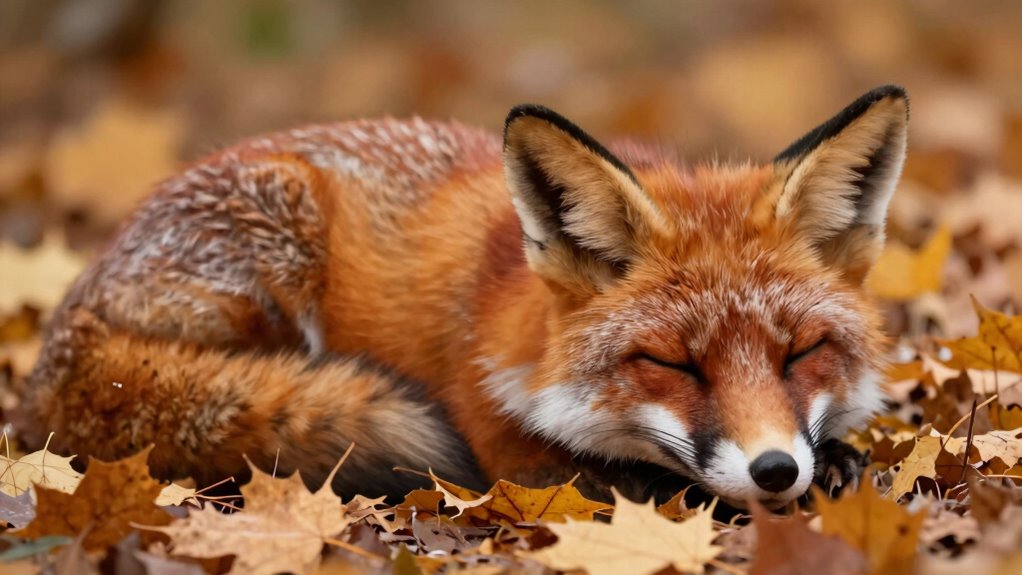
Animal dreams can reveal your pet’s deep emotional instincts, showing what they truly prioritize like safety, social bonds, or territory. When animals dream about chasing, fleeing, or gathering, it’s often a reflection of their inner fears, desires, or needs. They express complex feelings through symbols in their dreams, helping you understand their mood and wellbeing better. If you pay close attention to these dreams, you’ll uncover more about their instinctual world and emotional life.
Key Takeaways
- Animal dreams reflect subconscious emotional needs, such as safety, social bonds, or territoriality.
- Dream behaviors, like chasing or nesting, symbolize underlying instincts and emotional drives.
- Restless or intense dreams may indicate stress, imbalance, or unmet emotional needs.
- Dreams reveal the emotional significance of survival instincts, like hunting or migration.
- Recognizing dream symbols helps understand animals’ internal emotional states and instinctual motivations.
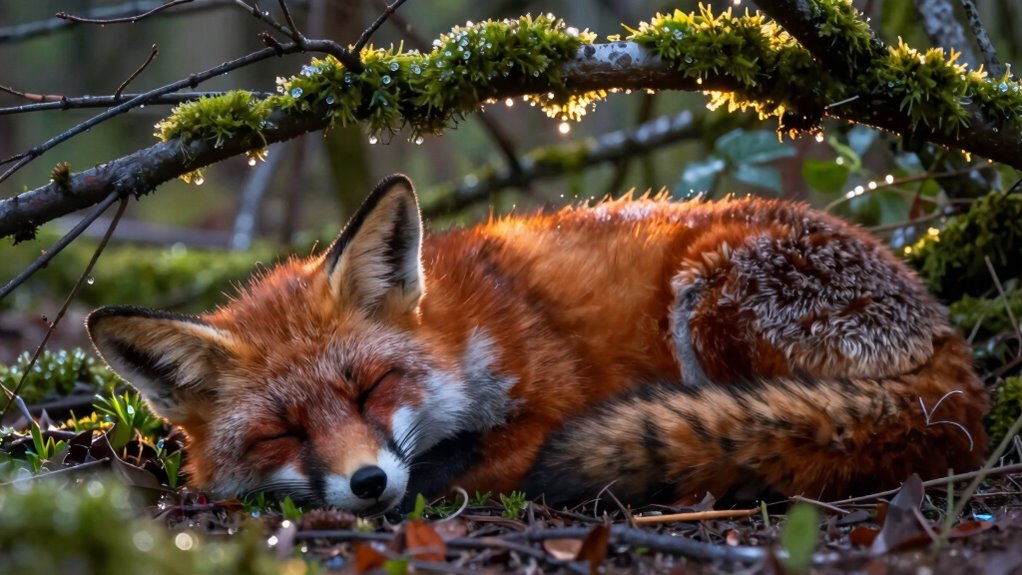
Animals often rely on their instincts to navigate the world around them, but these natural impulses run deeper than mere survival—they tap into a domain of emotional understanding that shapes their behaviors. When you observe animals in their natural habitats, you see more than just instinctual reactions; you witness a complex web of wild behavior that often reflects their internal states. These behaviors aren’t random; they’re rooted in instinct symbolism, where certain actions or reactions symbolize deeper emotional needs or responses. For example, a lion’s territorial roar isn’t just about claiming space — it’s a display of confidence, dominance, or even vulnerability in a social hierarchy. Understanding these signals can reveal what’s truly happening beneath the surface of animal actions.
Animal instincts reveal deeper emotional states through symbolic behaviors and signals beneath their surface actions.
Dreams add another layer to this insight. When animals dream, their minds process experiences, fears, and needs stored in their subconscious. A dog twitching in its sleep, chasing shadows or running through imagined fields, isn’t just experiencing random activity — it’s reliving moments tied to its emotional instincts. These dreams often mirror wild behavior patterns, like a fox dreaming of hunting or a bird dreaming of migration. Such dreams underscore that their emotional instincts are deeply ingrained, guiding not only their waking actions but also their subconscious thought processes. These nocturnal images serve as symbolic reflections of their innate drives, revealing how their natural behavior is woven into their emotional fabric.
By studying animal dreams and their associated behaviors, you gain insight into their emotional worlds. For instance, a herd of elephants may dream of water sources, symbolizing a fundamental need for safety, nourishment, or social cohesion. Similarly, a predator’s restless sleep could indicate underlying stress or a desire to restore balance. These dreams act as emotional barometers, showing what the animal’s instincts prioritize—be it safety, connection, or territory. Recognizing the symbolism in their wild behavior and dreams helps you appreciate the depth of their emotional life, which is often overlooked.
In essence, animal dreams reveal that their instincts aren’t just about immediate survival—they’re intertwined with complex emotional instincts that shape their entire existence. Their nocturnal visions and daytime behaviors are expressions of a deep, instinctual language—one that communicates needs, fears, and desires through wild actions and symbolic cues. When you understand this, you see animals as beings driven by more than just instinct; they’re emotionally connected to their environment and to themselves in ways that mirror human complexity. Recognizing the connection between instincts and emotions enhances our understanding of their inner worlds and the richness of their behavioral patterns.
![New Fi Series 3+ Smart Dog Tracker Collar [6 Month Membership Included] GPS Tracker for Dogs with Health & Behavior Monitoring, Escape Alerts, Waterproof, LED, Apple Watch Compatible (Blue, Large)](https://m.media-amazon.com/images/I/41FNbcnWlFL._SL500_.jpg)
New Fi Series 3+ Smart Dog Tracker Collar [6 Month Membership Included] GPS Tracker for Dogs with Health & Behavior Monitoring, Escape Alerts, Waterproof, LED, Apple Watch Compatible (Blue, Large)
NEXT-GEN GPS DOG TRACKER: The Fi Series 3+ collar is our most accurate and reliable smart collar—featuring 2x…
As an affiliate, we earn on qualifying purchases.
As an affiliate, we earn on qualifying purchases.
Frequently Asked Questions
Can Animal Dreams Predict Future Events?
Animal dreams don’t predict future events, but they can reveal insights into your emotional instincts through dream symbolism. When you dream of animals exhibiting specific behaviors, it reflects your subconscious responses to current situations. Your mind uses animal behavior as symbols to process feelings or instincts, offering guidance rather than prophecy. Pay attention to these symbols, as they can help you understand your emotional state and navigate upcoming challenges more intuitively.
Do Different Animals Symbolize Specific Emotions?
Yes, different animals often symbolize specific emotions through animal symbolism, reflecting their unique qualities and behaviors. For example, a wolf may represent loyalty or instinct, while a dove symbolizes peace. When you dream of certain animals, consider their emotional associations to better understand your feelings or subconscious messages. Recognizing these symbols helps you interpret your dreams, revealing hidden emotions and guiding your emotional awareness and personal growth.
How Do Cultural Backgrounds Influence Animal Dream Interpretations?
Did you know over 70% of people worldwide interpret animal dreams through their cultural symbolism and spiritual beliefs? Your cultural background heavily influences how you view animals in dreams, shaping their meanings. For instance, a lion may symbolize strength in Western cultures but courage in African traditions. These cultural symbols and spiritual interpretations guide your understanding, connecting your subconscious messages to your personal and collective identity.
Are Animal Dreams More Common During Certain Life Stages?
Animal dreams tend to be more common during life stages marked by change or heightened emotional states, like adolescence, pregnancy, or aging. During these times, your subconscious processes animal behavior and dream symbolism to help you understand your instincts and emotions better. You might notice more vivid animal dreams as your mind explores these shift phases, offering insight into your inner world and guiding your emotional growth.
Can Recurring Animal Dreams Indicate Unresolved Emotional Issues?
Did you know that around 60% of people report recurring dreams? These dreams often signal unresolved emotional issues. Recurring animal dreams can be powerful, as they often serve as emotional symbolism or dream symbolism, highlighting feelings you might not fully recognize. If an animal keeps appearing in your dreams, it could indicate underlying emotional conflicts or instincts needing attention, urging you to explore what your subconscious is trying to tell you.

Interpreting Animals You See in Your Dreams
As an affiliate, we earn on qualifying purchases.
As an affiliate, we earn on qualifying purchases.
Conclusion
Your animal dreams gently whisper secrets of your deepest emotional instincts, like a quiet lullaby from within. They hint at parts of you that might be hidden or overlooked, guiding you toward understanding and harmony. Embrace these subtle messages as gentle nudges from your subconscious, reminding you that even in silence, there’s wisdom waiting to be uncovered. Sometimes, the softest echoes hold the most profound truths—if you’re willing to listen with an open heart.

Calming Chews for Cats – Cat Anxiety Relief + Helps Reduce Stress – Behavioral Support & Promotes Relaxation for Travel, Boarding, Vet Visits, Separation Anxiety – Chicken (30-Day Supply)
RELAX INTO BENEFITS: Eat, sleep, play, poop–we think our cats have the easiest lives, but there are a…
As an affiliate, we earn on qualifying purchases.
As an affiliate, we earn on qualifying purchases.

Pet Training Kit -Target Stick,Training Clicker,Whistle,Bell,Treat Pouch- Dog Training Equipment Tools, Agility Training Lure Course For Dogs,Cat Toilet Trainer Kit, Kitten Puppy Behavior Aids Trick
All-in-one Complete Dog Training KIt: This training kit includes Target Stick,Training Clicker,Whistle,Bell,Treat Pouch. If you love pet training…
As an affiliate, we earn on qualifying purchases.
As an affiliate, we earn on qualifying purchases.