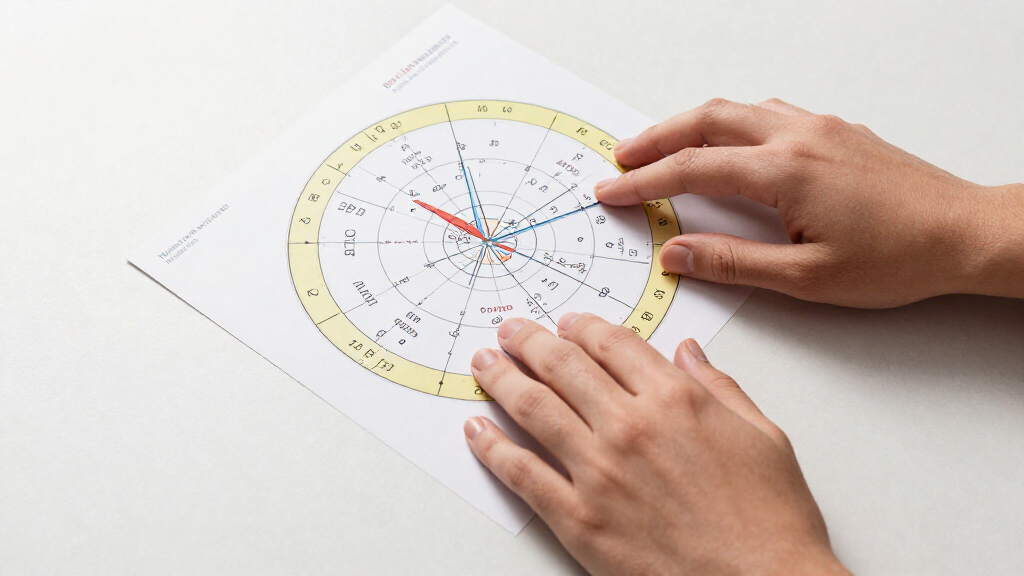

Astrology birth chart books split into two camps: quick-reference guides that tell you what your chart means and workbooks that teach you to interpret charts yourself — and picking the wrong style is the most common mistake buyers make. For most readers, Astrology for Yourself stands out as the best overall pick because it walks you through interpreting your own chart step by step rather than handing you finished interpretations. If you want a gentler on-ramp, The Birth Chart, Clearly focuses narrowly on Sun, Moon, and Rising signs before expanding outward, while The Secret Language of Birthdays is the better choice if you’d rather look up your birthday and read than study chart mechanics. Depth-oriented readers should lean toward The Complete Guide to Astrology or How to Read and Interpret a Birth Chart, which trade speed for real interpretive skill. Below is the full breakdown of all fifteen titles and who each one suits best.

Turn your quiet moments into listening time
- Thousands of audiobooks, podcasts and originals
- Listen on your phone, tablet or Echo — also offline
- Cancel anytime
Key Takeaways
- Workbook-style titles (Astrology for Yourself, Guided Astrology Workbook) consistently teach chart-reading skill better than reference titles, but they demand real time and a copy of your own chart to work through.
- Birthday-lookup books (The Secret Language of Birthdays, The Power of Birthdays, Stars & Numbers) are the fastest to use but never actually teach natal chart interpretation — they complement, not replace, a chart guide.
- Several ‘beginner’ titles overlap heavily in covering planets, signs, and houses; The Birth Chart, Clearly differentiates by sequencing the material around Sun, Moon, and Rising first, which reduces overwhelm.
- The karmic and soul-focused titles (The Astrology of the Soul) assume prior familiarity with chart basics, so they work best as second or third books rather than starting points.
- Multi-modality box sets and 3-in-1 workbooks offer breadth across tarot and numerology but sacrifice depth on birth charts specifically — a real tradeoff if natal astrology is your main interest.
| Astrology for Beginners: A Guide to Understanding Your Birth Chart, Star Sign, and Ideal Relationship Partner |  | Best for Relationship-Focused Beginners | Focus: Birth charts, star signs, relationship compatibility | Audience: Beginners | Tone: Conversational, applied to romance | VIEW LATEST PRICE | See Our Full Breakdown |
| Guided Metaphysical Box Set: Beginner’s Guides to Tarot, Astrology, and Numerology |  | Best Multi-Discipline Starter Set | Topics: Tarot, astrology, numerology | Format: Box set with step-by-step workbooks | Audience: Beginners | VIEW LATEST PRICE | See Our Full Breakdown |
| Astrology for Yourself: How to Understand and Interpret Your Own Birth Chart |  | Best Workbook-Style Deep Dive | Format: Interactive workbook | Focus: Natal chart interpretation, applied to your own chart | Learning Style: Written exercises, chapter by chapter | VIEW LATEST PRICE | See Our Full Breakdown |
| Guided Astrology Workbook: A Step-by-Step Guide to Your Astrological Signs, Birth Chart, and Life |  | Best Modern Guided Journal | Format: Guided workbook / journal | Focus: Astrological signs, birth chart, personal insight | Learning Style: Step-by-step prompts and reflection | VIEW LATEST PRICE | See Our Full Breakdown |
| The Secret Language of Birthdays: Your Complete Personology Guide for Each Day of the Year |  | Best Birthday Reference Book | Format: Day-by-day reference guide | Coverage: All 365 birthdays with personology profiles | Method: Sun sign and birthday-based profiles | VIEW LATEST PRICE | See Our Full Breakdown |
| Birth Charts: A Guide to Natal Chart Interpretation, Astrology, and Zodiac Signs |  | Best Budget Starter | Format: Paperback guide | Topic: Natal chart interpretation | Coverage: Astrology, zodiac signs, birth charts | VIEW LATEST PRICE | See Our Full Breakdown |
| Astrology: Using the Wisdom of the Stars in Your Everyday Life |  | Best Visual Reference | Format: Illustrated hardcover/paperback | Topic: Astrology for everyday life | Style: Visual, heavily illustrated | VIEW LATEST PRICE | See Our Full Breakdown |
| The Complete Guide to Astrology: Understanding Yourself, Your Signs, and Your Birth Chart |  | Best for Self-Discovery | Format: Paperback guide | Topic: Astrology and birth chart interpretation | Focus: Self-understanding through the natal chart | VIEW LATEST PRICE | See Our Full Breakdown |
| How to Read and Interpret a Birth Chart: Guideposts for Understanding Natal Astrology |  | Best for Serious Study | Format: Paperback guide | Topic: Natal astrology interpretation | Structure: Guidepost-based instructional method | VIEW LATEST PRICE | See Our Full Breakdown |
| The Birth Chart, Clearly: A Beginner’s Guide to Your Sun, Moon, and Rising Signs and How to Read Your Whole Astrology Chart |  | Best for Absolute Beginners | Format: Beginner guide book | Topic: Astrology | Level: Beginner | VIEW LATEST PRICE | See Our Full Breakdown |
| How to Read Your Birth Chart: A Beginner’s Guide to Understanding Planets, Signs, Houses, and Chart Patterns |  | Best Structured Beginner Path | Format: Book | Audience Level: Beginner | Core Topics: Planets, signs, houses, chart patterns | VIEW LATEST PRICE | See Our Full Breakdown |
| Astrology Workbook 3-in-1: Unlock Your Birth Chart, Discover Your Cosmic Identity, and Use the Zodiac to Navigate Life with Purpose |  | Best Value Bundle | Format: Workbook | Content: Three-in-one astrology guide | Topics Covered: Birth charts, cosmic identity, zodiac and life purpose | VIEW LATEST PRICE | See Our Full Breakdown |
| The Astrology of the Soul: A Step-by-Step Guide to Reading Your Birth Chart, Healing Karmic Patterns, and Awakening Your True Path |  | Best for Healing-Focused Readers | Format: Book | Series: The Astrology of the Soul Series | Core Topics: Birth chart reading, karmic patterns, life purpose | VIEW LATEST PRICE | See Our Full Breakdown |
| Astrology Made Easy: A Guide to Understanding Your Birth Chart |  | Best Gentle Introduction | Format: Book | Audience Level: Absolute beginner | Core Topic: Understanding your birth chart | VIEW LATEST PRICE | See Our Full Breakdown |
| The Power of Birthdays, Stars & Numbers: The Complete Personology Reference Guide |  | Best Reference for Birthday Lookups | Format: Book | Type: Reference guide | Systems Covered: Astrology (personology) and numerology | VIEW LATEST PRICE | See Our Full Breakdown |
| astrology birth chart book | Format |
|---|---|
| Astrology for Beginners: A Gui | — |
| Guided Metaphysical Box Set: B | Box set with step-by-step workbooks |
| Astrology for Yourself: How to | Interactive workbook |
| Guided Astrology Workbook: A S | Guided workbook / journal |
| The Secret Language of Birthda | Day-by-day reference guide |
| Birth Charts: A Guide to Natal | Paperback guide |
| Astrology: Using the Wisdom of | Illustrated hardcover/paperback |
| The Complete Guide to Astrolog | Paperback guide |
| How to Read and Interpret a Bi | Paperback guide |
| The Birth Chart | Beginner guide book |
| How to Read Your Birth Chart: | Book |
| Astrology Workbook 3-in-1: Unl | Workbook |
| The Astrology of the Soul: A S | Book |
| Astrology Made Easy: A Guide t | Book |
| The Power of Birthdays | Book |
More Details on Our Top Picks
Astrology for Beginners: A Guide to Understanding Your Birth Chart, Star Sign, and Ideal Relationship Partner
This option stands out for folding compatibility and relationships into basic birth chart instruction, which most entry-level titles deliberately avoid. Compared with Astrology Made Easy: A Guide to Understanding Your Birth Chart, it trades depth on houses and aspects for a friendlier angle on how chart placements show up in love and partnership. That framing makes abstract concepts like Venus and Mars feel immediately relevant rather than academic. The tradeoff is real, though: readers who want a full technical foundation will outgrow it quickly, and it leans more conversational than rigorous. This pick makes the most sense for someone whose first question about astrology is “what does my chart say about who I match with?” rather than “how do I interpret a chart?”
Pros:- Approachable entry point for absolute beginners
- Unique relationship and compatibility focus among beginner guides
- Connects chart placements to everyday romantic questions
- Lighter and less intimidating than technical manuals
Cons:- Shallow coverage of houses, aspects, and interpretation method
- Readers will need a second book to actually read a full chart
Best for: Curious newcomers who care more about romantic compatibility and star signs than technical chart interpretation
Not ideal for: Readers who want a rigorous foundation in houses, aspects, and full natal chart analysis
- Focus:Birth charts, star signs, relationship compatibility
- Audience:Beginners
- Tone:Conversational, applied to romance
- Depth:Introductory
- Best Use:Casual self-discovery and partner matching
- Technical Chart Coverage:Light
Our verdict“Choose this if your interest in astrology starts with love and compatibility; skip it if you want to learn serious chart interpretation.”
Guided Metaphysical Box Set: Beginner’s Guides to Tarot, Astrology, and Numerology
Where every other book in this lineup goes deep on astrology alone, this box set spreads across tarot, astrology, and numerology in one package. That breadth is its whole value proposition: compared with Astrology for Yourself, which dedicates every page to natal chart interpretation, the astrology volume here covers less ground but sits inside a broader metaphysical curriculum. The step-by-step workbooks are the strongest feature — guided exercises beat passive reading for retention, and they give structure to readers who flounder with open-ended study. The obvious tradeoff is dilution. If your goal is specifically mastering birth charts, a dedicated title will always outpace a chapter-length treatment inside a three-subject set.
Pros:- Three metaphysical subjects in one coordinated set
- Workbook format with hands-on exercises
- Low-commitment way to explore multiple practices
- Structured, guided progression for self-directed beginners
Cons:- Astrology coverage is necessarily shallower than dedicated titles
- Buyers focused solely on birth charts pay for two subjects they may not use
Best for: Spiritually curious beginners who want to sample tarot, astrology, and numerology before committing to one discipline
Not ideal for: Astrology-first learners who want exhaustive natal chart coverage in a single volume
- Topics:Tarot, astrology, numerology
- Format:Box set with step-by-step workbooks
- Audience:Beginners
- Learning Style:Guided exercises and practice
- Astrology Depth:Introductory, one of three subjects
- Best Use:Multi-discipline self-study
Our verdict“A smart first purchase for dabblers across tarot, astrology, and numerology — but not the pick if birth charts are your only goal.”
Astrology for Yourself: How to Understand and Interpret Your Own Birth Chart
This is the classic self-study workbook of the birth chart genre, and it earns its place by treating interpretation as a skill you build rather than information you absorb. Compared with the Guided Astrology Workbook, which offers a similar step-by-step approach but with more modern packaging and broader sign-by-sign content, this one stays disciplined: every chapter asks you to apply concepts to your own chart before moving on. That self-referential method is why it has endured — you finish the book having actually interpreted a chart. The demands are the flip side. It requires your exact birth data, sustained effort across chapters, and patience with a denser, textbook-like tone that some beginners find dry. This pick makes the most sense for readers who want competence, not trivia.
Pros:- Workbook structure forces genuine practice, not passive reading
- Every concept applied directly to your own chart
- Builds real interpretive skill, not just vocabulary
- Long-standing reputation as a serious self-study text
Cons:- Requires accurate birth data to get full value
- Denser, textbook-like tone that some find dry
- Slower pace than quick-reference guides
Best for: Self-directed learners willing to do written exercises and work through their own chart methodically
Not ideal for: Casual browsers who want quick sign descriptions without homework or a birth-time requirement
- Format:Interactive workbook
- Focus:Natal chart interpretation, applied to your own chart
- Learning Style:Written exercises, chapter by chapter
- Depth:Intermediate-capable
- Requirements:Birth date, time, and location
- Tone:Instructional, textbook-like
Our verdict“The choice for readers who want to actually learn chart interpretation through structured work on their own natal chart.”
Guided Astrology Workbook: A Step-by-Step Guide to Your Astrological Signs, Birth Chart, and Life
This title splits the difference between the rigor of Astrology for Yourself and the lightness of casual sign guides. Its step-by-step format walks through signs, chart basics, and personal reflection prompts in a way that feels more like journaling than coursework — a genuine advantage for readers who found the older workbook’s tone too clinical. Compared with the Guided Metaphysical Box Set, it keeps the full page count on astrology rather than splitting attention across three subjects. The reflection-heavy approach has a cost, though: personal insight gets more space than interpretive technique, so it teaches you to think about your chart more than to read charts in general. It’s also lighter on the technical scaffolding — aspects, house systems — that dedicated interpretation guides cover.
Pros:- Approachable step-by-step structure with journal-style prompts
- Full focus on astrology rather than multiple disciplines
- Blends chart basics with personal insight exercises
- Less intimidating than traditional textbook workbooks
Cons:- Reflection prompts crowd out interpretive technique
- Thin coverage of aspects and advanced chart reading
Best for: Journalers and self-reflection seekers who want guided prompts about their chart in an approachable modern format
Not ideal for: Students who want technical mastery of aspects, houses, and full interpretation method
- Format:Guided workbook / journal
- Focus:Astrological signs, birth chart, personal insight
- Learning Style:Step-by-step prompts and reflection
- Depth:Beginner to intermediate
- Tone:Modern, accessible, self-reflective
- Best Use:Personal growth through astrology
Our verdict“Pick this for a reflective, journal-style journey through your own chart; look elsewhere for technical instruction.”
The Secret Language of Birthdays: Your Complete Personology Guide for Each Day of the Year
This book solves a completely different problem from everything else here. Instead of teaching you to interpret a chart, it hands you a pre-written personology profile for all 365 birthdays — strengths, weaknesses, relationships, and famous people sharing the day. That makes it the fastest payoff in the lineup: open it, find a birthday, read. Compared with How to Read Your Birth Chart, which requires birth time and sustained study to produce an interpretation, this delivers instant profiles with zero learning curve. The tradeoff is fundamental — it ignores birth time, houses, and the actual mechanics of astrology, treating sun sign plus birthday as the whole story. Serious students will find it entertainment rather than education, and the sun-sign-only lens duplicates The Power of Birthdays, Stars & Numbers, which adds numerology on top.
Pros:- Covers every day of the year with a full personology profile
- Instant, entertaining lookups with no study required
- Great conversation and gift book
- Includes famous birthdays and relationship notes per day
Cons:- Ignores birth time, moon, rising, and houses entirely
- Sun-sign-only framework limits accuracy and depth
- Overlaps heavily with other birthday reference titles
Best for: Gift-givers, hosts, and casual browsers who want fun, instant personality profiles for any birthday
Not ideal for: Astrology students who need actual chart interpretation skills — it never teaches them
- Format:Day-by-day reference guide
- Coverage:All 365 birthdays with personology profiles
- Method:Sun sign and birthday-based profiles
- Chart Elements Included:None — no birth time, houses, or aspects
- Learning Curve:None required
- Best Use:Quick lookups, gifts, entertainment
Our verdict“A fun reference for birthday lookups and gifting — but it won’t teach you anything about reading a birth chart.”
Birth Charts: A Guide to Natal Chart Interpretation, Astrology, and Zodiac Signs
For buyers who want a low-commitment entry point into natal chart work, this option makes sense as a first purchase. It stays tightly focused on chart interpretation rather than wandering into tarot or numerology the way the Guided Metaphysical Box Set does, which matters if the zodiac is your only interest. Compared with The Birth Chart, Clearly, it casts a wider net across zodiac signs generally, so readers get more contextual background before drilling into their own placements. The tradeoff is depth: serious students will outgrow it quickly, and it lacks the structured, lesson-by-lesson progression of How to Read and Interpret a Birth Chart. Still, as an affordable way to test whether astrology holds your attention, this pick earns its place without demanding a big investment of money or reading time.
Pros:- Narrow focus on birth charts rather than scattered metaphysical topics
- Beginner-friendly framing that assumes no prior knowledge
- Lighter time commitment than comprehensive tomes
- Affordable way to sample natal astrology
Cons:- Thin on advanced interpretation methods
- No structured exercises or workbook elements
- Limited detail beyond basic sign and planet meanings
Best for: Curious first-timers who want an inexpensive, astrology-only introduction before committing to a heavier reference book
Not ideal for: Readers who already know their Sun, Moon, and Rising and want intermediate interpretation technique — this will feel repetitive
- Format:Paperback guide
- Topic:Natal chart interpretation
- Coverage:Astrology, zodiac signs, birth charts
- Experience Level:Beginner
- Approach:Introductory overview
- ASIN:B0F8ZYGRN7
Our verdict“A sensible first dip into birth chart reading for cautious buyers who want astrology and nothing else.”
Astrology: Using the Wisdom of the Stars in Your Everyday Life
Coming from DK’s illustrated tradition, this book treats astrology as something you apply daily rather than study once and shelve. Where Birth Charts: A Guide to Natal Chart Interpretation stays inside the chart itself, this one pushes outward into everyday decision-making — relationships, timing, and self-reflection — which gives it a longer shelf life as a browsing reference. The heavily illustrated layout makes abstract concepts like houses and aspects far easier to visualize than the text-heavy Complete Guide to Astrology. That visual emphasis is also the tradeoff: readers who want dense interpretive technique will find the explanations more inspirational than rigorous. Compared with Astrology for Yourself, it is less interactive but far more inviting to pick up casually. This pick makes the most sense for readers who learn through imagery and want astrology woven into ordinary life.
Pros:- Rich illustrations that clarify chart geometry and planetary relationships
- Strong everyday-application angle beyond pure chart analysis
- Encourages repeated browsing rather than one-time reading
- Polished, gift-worthy presentation
Cons:- Interpretation depth sacrificed for visual appeal
- Birth chart instruction is secondary to lifestyle content
Best for: Visual learners and casual readers who want a coffee-table-friendly astrology reference they can dip into weekly
Not ideal for: Students seeking rigorous interpretive methodology for reading charts from scratch — the pictorial approach skims past technical detail
- Format:Illustrated hardcover/paperback
- Topic:Astrology for everyday life
- Style:Visual, heavily illustrated
- Experience Level:Beginner to intermediate
- Publisher:DK
- ASIN:1465464131
Our verdict“The right choice if you want astrology explained visually and woven into daily life rather than mastered technically.”
The Complete Guide to Astrology: Understanding Yourself, Your Signs, and Your Birth Chart
This option frames the birth chart as a mirror for self-understanding, which separates it from the more mechanical how-to tone of How to Read and Interpret a Birth Chart. Readers who care less about technique and more about what their placements reveal — patterns, tendencies, blind spots — will find the orientation refreshing. Compared with Birth Charts: A Guide to Natal Chart Interpretation, it offers more connective tissue between chart elements and personal narrative, making it a better companion for reflective reading than for study sessions. The tradeoff is that the self-help framing can soften the technical rigor: someone wanting to read charts for others, not just themselves, may prefer the guidepost-style structure elsewhere in this lineup. As a single volume for understanding your own chart deeply, this pick holds its own against broader surveys.
Pros:- Strong personal-growth framing tied directly to chart interpretation
- Connects placements to real behavioral patterns
- Broad coverage of signs and chart structure in one volume
- Readable prose that avoids dry textbook delivery
Cons:- Less emphasis on hands-on chart-reading mechanics
- Self-focused approach limits usefulness for reading others
Best for: Readers using astrology primarily as a tool for personal insight who want their chart explained in narrative, relatable language
Not ideal for: Aspiring practicing astrologers who need structured technique for reading other people’s charts
- Format:Paperback guide
- Topic:Astrology and birth chart interpretation
- Focus:Self-understanding through the natal chart
- Experience Level:Beginner to intermediate
- Approach:Narrative and reflective
- ASIN:B0859HSS6F
Our verdict“Ideal if the goal is knowing yourself through your chart rather than becoming a chart reader.”
How to Read and Interpret a Birth Chart: Guideposts for Understanding Natal Astrology
Among the beginner-adjacent options here, this one behaves like a proper curriculum. The guidepost structure walks readers through chart interpretation in a deliberate sequence, whereas The Birth Chart, Clearly prioritizes quick comprehension of the big three signs. Readers who intend to actually read charts competently — their own or other people’s — benefit from that scaffolding, and the treatment of natal astrology runs deeper than the everyday-life framing of DK’s Astrology. The tradeoff is pace: this is not a weekend read, and casual buyers drawn to pretty layouts may stall out. It also assumes more patience than Birth Charts: A Guide to Natal Chart Interpretation, which moves faster but teaches less. For someone committed to moving beyond surface-level horoscope thinking, this model is better suited to the job than anything else in this batch.
Pros:- Structured guidepost method builds interpretation skill progressively
- Deeper natal astrology treatment than casual guides
- Prepares readers to read charts, not just admire them
- Logical sequence that reduces common beginner confusion
Cons:- Denser and slower-moving than illustrated alternatives
- Less inviting for readers seeking entertainment value
Best for: Dedicated students willing to work through structured lessons to genuinely learn natal chart interpretation
Not ideal for: Casual browsers wanting a light, illustrated introduction — the methodical pace demands real commitment
- Format:Paperback guide
- Topic:Natal astrology interpretation
- Structure:Guidepost-based instructional method
- Experience Level:Beginner to intermediate student
- Approach:Systematic, lesson-oriented
- ASIN:1578638461
Our verdict“The study-focused choice for readers serious about mastering chart interpretation rather than skimming it.”
The Birth Chart, Clearly: A Beginner’s Guide to Your Sun, Moon, and Rising Signs and How to Read Your Whole Astrology Chart
Where How to Read and Interpret a Birth Chart assumes patience, this option assumes nothing — it starts with the big three (Sun, Moon, Rising) and builds outward to the full chart. That staging makes it the gentlest on-ramp in this batch, including gentler than Birth Charts: A Guide to Natal Chart Interpretation, which front-loads more terminology. The payoff for newcomers is immediate relevance: within a few chapters, readers can locate and interpret their own core placements instead of wading through theory. The tradeoff is ceiling — anyone past the basics will find the coverage of aspects, transits, and chart patterns thin compared with the guidepost-style volume, and there’s no workbook element like the Guided Astrology Workbook provides. As a confidence-builder before deeper study, though, this pick does its job without overwhelming anyone.
Pros:- Designed explicitly for readers with zero astrology background
- Sun/Moon/Rising framework creates quick early wins
- Clear pathway from core signs to whole-chart reading
- Avoids jargon overload better than denser guides
Cons:- Limited depth beyond foundational concepts
- No exercises or workbook-style practice to reinforce learning
Best for: Complete newcomers who want to understand their Sun, Moon, and Rising signs first and build up to reading their whole chart
Not ideal for: Intermediate students — coverage of aspects and advanced patterns is intentionally shallow
- Format:Beginner guide book
- Topic:Astrology
- Level:Beginner
- Core Focus:Sun, Moon, and Rising signs
- Approach:Simplified, stepwise chart reading
- ASIN:B0HBMZ1GXZ
Our verdict“The gentlest possible starting point for readers who want their first chart-reading success fast.”
How to Read Your Birth Chart: A Beginner’s Guide to Understanding Planets, Signs, Houses, and Chart Patterns
This option stands out for covering the full anatomy of a natal chart — planets, signs, houses, and chart patterns — in one beginner-friendly sequence. Compared with Astrology Made Easy, which takes a lighter, more conversational route, this guide is more systematic: you learn each building block before combining them, which matters if you want to actually interpret charts rather than just skim your Sun sign. The inclusion of chart patterns is a genuine differentiator, since most entry-level books stop at houses and aspects. The tradeoff is depth — intermediate readers who already know their Ascendant from their Midheaven will outgrow it quickly, and it leans instructional rather than reflective. This pick makes the most sense for someone who wants a clear, ordered learning path on the way to confident chart reading.
Pros:- Covers all four core chart components in one volume
- Includes chart patterns, which most beginner guides omit
- Sequenced lessons build skills progressively rather than assuming prior knowledge
- Focused squarely on natal chart reading instead of general astrology trivia
Cons:- Stays at an introductory depth, so it won’t carry you into advanced interpretation
- Purely instructional tone with little space for personal reflection or journaling
Best for: Complete beginners who want a structured, building-block approach to reading an entire birth chart on their own
Not ideal for: Intermediate students who already know houses and aspects — the pacing will feel slow and the pattern coverage stays introductory
- Format:Book
- Audience Level:Beginner
- Core Topics:Planets, signs, houses, chart patterns
- Focus:Natal chart interpretation
- Approach:Structured, building-block instruction
- Includes Exercises:No — primarily explanatory
Our verdict“Buy this if you want the most methodical beginner’s route from zero to reading a full chart — skip it if you’ve already moved past the basics.”
Astrology Workbook 3-in-1: Unlock Your Birth Chart, Discover Your Cosmic Identity, and Use the Zodiac to Navigate Life with Purpose
Bundling three astrology topics into a single interactive workbook is where this option earns its place — you get chart fundamentals, identity exploration, and life-direction prompts without buying three separate books. Compared with How to Read Your Birth Chart, which is a read-and-learn guide, this one asks you to write, reflect, and apply the material to your own chart, which suits people who learn by doing. The tradeoff is breadth over rigor: a three-in-one format means each topic gets less depth than a dedicated single-subject book like The Astrology of the Soul. It also leans more toward self-reflection than technical precision, so anyone wanting aspect-by-aspect interpretation rules may find it thin. This pick makes the most sense for budget-conscious beginners who want one purchase to cover the astrological essentials.
Pros:- Three topics covered in one purchase for strong value
- Workbook format encourages active engagement with your own chart
- Connects astrology to real-life decisions and purpose
- Good entry point before committing to specialized titles
Cons:- Each of the three subjects gets shallower coverage than a dedicated book would provide
- Reflection-heavy approach may frustrate readers who want concrete interpretation rules
Best for: Budget-minded beginners who want a single purchase covering chart reading, self-discovery, and life application with hands-on exercises
Not ideal for: Readers who want deep technical interpretation — the three-in-one format necessarily sacrifices depth in each subject
- Format:Workbook
- Content:Three-in-one astrology guide
- Topics Covered:Birth charts, cosmic identity, zodiac and life purpose
- Audience Level:Beginner to intermediate
- Learning Style:Interactive exercises and reflection prompts
- Depth Per Topic:Broad overview of each subject
Our verdict“This is the smart pick if you want maximum topic coverage per dollar with a do-it-yourself format — pass it up if technical depth is your priority.”
The Astrology of the Soul: A Step-by-Step Guide to Reading Your Birth Chart, Healing Karmic Patterns, and Awakening Your True Path
This title carves out a distinct niche: it treats the birth chart as a map of karmic patterns and personal healing, not just a personality snapshot. Compared with Astrology Made Easy, which stays practical and accessible, this guide pushes toward the spiritual and psychological end of astrology — readers who want the lunar nodes, past patterns, and life purpose framed as a healing journey will feel at home here. The step-by-step reading method keeps it grounded despite the lofty subject matter. The tradeoff is tone: skeptics and no-frills learners will find the karmic framing too esoteric, and it asks more emotional investment than a standard reference book. It also sits firmly in a series, so completists may feel pulled toward additional purchases. This pick makes the most sense for readers using astrology as a tool for inner work rather than casual curiosity.
Pros:- Step-by-step structure keeps spiritual content practical
- Unique focus on karmic patterns and healing rather than surface traits
- Frames chart reading around life purpose, not just personality
- Part of a series for readers who want to go deeper afterward
Cons:- Esoteric framing won’t suit skeptical or technique-focused readers
- Series structure may encourage further purchases to get the full picture
Best for: Readers using astrology for emotional healing and self-discovery who want a guided, purpose-driven interpretation of their chart
Not ideal for: Practical, no-mysticism learners — the karmic and soul-path framing will feel ungrounded if you just want interpretation mechanics
- Format:Book
- Series:The Astrology of the Soul Series
- Core Topics:Birth chart reading, karmic patterns, life purpose
- Approach:Step-by-step with spiritual and healing focus
- Audience Level:Beginner to intermediate, healing-oriented
- Learning Style:Guided interpretive framework
Our verdict“Choose this if you see your birth chart as a healing tool and want purpose-driven guidance — skip it if you prefer straightforward, technique-first instruction.”
Astrology Made Easy: A Guide to Understanding Your Birth Chart
True to its name, this option prioritizes accessibility over ambition, translating chart mechanics into plain language for readers who find jargon intimidating. Where How to Read Your Birth Chart walks through components in a formal sequence, this guide keeps things lighter and faster, making it a friendlier on-ramp for someone picking up their first astrology book. Compared with the Astrology Workbook 3-in-1, it reads more like a guided explainer than an exercise book, so it suits readers who prefer to absorb concepts before putting pen to paper. The tradeoff is that simplicity caps its usefulness — once the basics click, you’ll want a more detailed reference, and experienced readers may find the explanations too abbreviated. This pick makes the most sense for absolute newcomers who want low-friction, jargon-free chart literacy in a single sitting-friendly volume.
Pros:- Plain-language explanations with minimal astrological jargon
- Approachable pacing for first-time astrology readers
- Focused on getting you to understand your own chart quickly
- Lighter commitment than workbook or multi-topic alternatives
Cons:- Simplified depth means limited value once basics are mastered
- Little hands-on practice compared with workbook-style competitors
Best for: Absolute newcomers who want a friendly, jargon-free first book on birth charts without a steep learning curve
Not ideal for: Readers past the beginner stage — the simplified explanations will feel thin and quickly outgrown
- Format:Book
- Audience Level:Absolute beginner
- Core Topic:Understanding your birth chart
- Approach:Simplified, jargon-light explanation
- Learning Style:Read-and-learn rather than workbook exercises
- Depth:Introductory
Our verdict“This is the gentlest entry point in the lineup — ideal for a first astrology book, but plan to graduate to something deeper.”
The Power of Birthdays, Stars & Numbers: The Complete Personology Reference Guide
This is the lookup-first option in the lineup: instead of teaching you to interpret a chart, it hands you a dated reference blending astrology and numerology, organized so you can read about any specific birthday in minutes. Compared with The Secret Language of Birthdays, which covers personology alone, this guide adds a numerology layer, giving each date a dual astrological-and-numerological profile — appealing if you like cross-referencing systems. The contrast with instructional picks like Astrology for Yourself is stark: this won’t teach you chart mechanics at all, so it works as a companion rather than a course. That’s also the tradeoff — it’s a browsing and reference tool, not a learning path, and its day-by-day format encourages skipping the underlying theory. This pick makes the most sense for readers who want quick, specific answers about birthdays rather than interpretive skills.
Pros:- Organized by date for fast, specific birthday lookups
- Combines astrology and numerology in one reference
- Great for browsing and casual conversation, not just study
- Useful companion volume alongside instructional guides
Cons:- Teaches no actual chart-reading skills
- Day-by-day format encourages surface-level use over understanding the underlying system
Best for: Readers who want a lookup-style reference for specific birthdays, blending astrological profiles with numerology
Not ideal for: Anyone trying to learn chart interpretation — it’s a reference tool, not an instructional guide
- Format:Book
- Type:Reference guide
- Systems Covered:Astrology (personology) and numerology
- Organization:Arranged by birthday/date
- Instructional Depth:None — lookup format, not a learning guide
- Best Use:Quick reference and browsing
Our verdict“Pick this up for quick birthday-and-numbers lookups alongside a proper instructional book — not as your only astrology purchase.”

How We Picked
I evaluated each book against four buyer-relevant criteria. Instructional clarity came first: does the book actually teach you to read a chart, or does it just deliver pre-written interpretations? Books that build skill progressively — planets, then signs, then houses, then synthesis — ranked higher than encyclopedic titles that dump information without a learning path. Fit for the intended reader mattered equally, because a total beginner and someone returning to astrology after years away need very different pacing.
I also weighed scope honesty: books that claim to cover tarot, numerology, and astrology simultaneously were judged on whether their birth chart material holds up on its own, not on the size of the package. Finally, I considered longevity — whether a reader would outgrow the book in a month or keep it as a reference. The ranking favors books that balance depth with accessibility, which is why the interpretive workbooks cluster near the top and the narrower lookup-style guides sit lower despite being genuinely useful for their intended audience.
Factors to Consider When Choosing Astrology Birth Chart Books
Before choosing a birth chart book, it helps to understand what actually separates a useful guide from one that sits unread on a shelf. These are the factors that shaped this ranking and the ones I’d weigh most heavily as a buyer.Learning Style: Reference vs. Workbook
The single biggest decision is whether you want to look things up or learn a skill. Reference-style books let you find your Sun sign or birthday and read a finished interpretation in minutes, which is satisfying but passive. Workbooks make you fill in your own chart, annotate placements, and practice synthesis — slower, sometimes frustrating, but you finish with an ability rather than a description. Be honest about your habits: if you’ve abandoned workbooks before, a well-written reference will serve you better than an ambitious workbook that never gets opened past chapter two.
Do You Have Your Birth Data Ready?
Nearly every serious birth chart book requires your exact birth time and location, not just your birthday. Without an accurate time, your Rising sign and house placements can’t be calculated, which guts the entire natal chart approach. Before buying an interpretive workbook, confirm you can obtain your birth time from a birth certificate, family records, or a hospital record. If you can only confirm your birth date, a birthday-lookup book is the more realistic purchase — this is the most common mismatch I see between what buyers purchase and what they can actually use.
Breadth vs. Depth on the Chart Itself
Multi-subject box sets and 3-in-1 volumes feel like strong value because you get tarot, numerology, and astrology in one purchase. The tradeoff is that birth chart coverage gets compressed, often to a summary level that a dedicated book covers in three times the detail. If natal chart reading is your primary interest, a single-subject book will almost always outperform a bundled set. Bundles make sense when you’re genuinely curious about multiple divination systems and want a taste of each before committing deeper.
Where You Are on the Learning Curve
A common mistake is buying an advanced or karmically-focused book as a first purchase because it sounds more meaningful. Soul-oriented and nodes-heavy titles assume you already know what a house cusp is and why aspects matter, and they read as gibberish without that foundation. The reverse mistake is buying a third beginner book when what you actually need is a synthesis or forecasting text. Map your current knowledge honestly: if you can’t yet explain the difference between a sign and a house, start with a fundamentals book regardless of how advanced you want to become.
Modern Chart Access and Software Assumptions
Older and more traditional guides often include lengthy instructions on manually calculating chart wheels with tables of houses and ephemerides — material that’s largely obsolete now that free websites generate accurate charts in seconds. Some readers find manual calculation valuable for understanding; most find it a barrier. Check whether a book expects you to hand-draw your chart or whether it works from a printed chart you generate online. Books that integrate modern chart-generation into their exercises tend to have much higher completion rates for self-taught learners.
Tone, Framing, and Interpretive Philosophy
Birth chart books range from psychological and self-reflective to predictive, karmic, or heavily esoteric in framing. Two books can describe the same Saturn placement in ways that resonate completely differently depending on whether you want grounding for personal growth or a more mystical framework. Skim the language of any book’s approach before committing: if phrases about soul contracts and past lives appeal to you, the karmic titles will land well; if you prefer a practical, almost coaching-style tone, the modern beginner guides will feel like a better match. Neither approach is more correct — but the mismatch is a leading cause of abandoned astrology books.
Frequently Asked Questions
Can one birth chart book teach me to read charts for other people, or only my own?
It depends on how the book is structured. Self-focused workbooks like Astrology for Yourself and the guided workbook options teach interpretation through your own chart, and the skills transfer to others — but the exercises only work if you have the subject’s birth data. If reading charts for friends or clients is the goal, look for books like How to Read and Interpret a Birth Chart that present interpretation as a general method rather than a personal journal. A practical middle path is starting with a self-focused workbook to learn the mechanics, then adding a method-based guide once you’re comfortable with planets, signs, and houses.
Do I need my exact birth time to use these books?
For any true natal chart book, yes — your birth time determines your Rising sign and all twelve house placements, which is roughly half of what a chart reading covers. A book teaching house interpretation is nearly useless without that data. If your birth time is unknown or approximate, you have two options: some books work around it by focusing on planets-in-signs only, or you can use a birthday-lookup book like The Secret Language of Birthdays, which needs only your date of birth. Don’t buy a house-heavy workbook hoping to improvise around missing data; the exercises break down quickly without accurate houses.
Are the birthday-lookup books a substitute for learning the birth chart?
No, and understanding the difference saves money. Personology-style books give you a finished reading for your specific birthday, blending chart factors behind the scenes into one narrative. That’s genuinely fun and often surprisingly accurate-feeling, but you never learn why any of it is said, and you can’t apply the book to questions it doesn’t cover — like current transits or a compatibility analysis. Think of these as a snapshot and chart books as a camera. Many readers end up owning both, using the lookup book for entertainment and the chart book for actual study.
Should I start with a workbook or a reference guide if I’m brand new?
Workbooks produce better learning outcomes but only if you actually complete them, so your follow-through habits matter more than the format. If you enjoy journaling, doing exercises, and sitting with material over weeks, a workbook like Astrology for Yourself will teach you more in three months than a reference book will in a year. If you tend to read in short bursts or want quick answers about specific placements, a structured reference guide will keep you engaged instead of stalled. A reasonable compromise is a staged beginner book like The Birth Chart, Clearly, which teaches concepts in reading-friendly chapters before asking you to apply them.
Are the multi-subject box sets a good value if I mainly want birth charts?
Only if the other subjects genuinely interest you. The tarot-numerology-astrology bundles spread their pages across three systems, so the astrology portion typically covers Sun signs and a chart overview without the house-by-house depth of a dedicated book. If you’d be curious about tarot anyway, the bundle is a fun, low-commitment sampler. But if your goal is specifically to read a natal chart confidently, that same money buys a focused title that goes two or three levels deeper. Buyers who purchase bundles for chart-reading alone frequently end up buying a dedicated astrology book within a few months anyway.
Conclusion
Matching the book to the reader matters more than any single title’s quality here. For best overall, Astrology for Yourself earns the top spot because it converts reading into actual interpretive skill through its workbook structure. For best value, How to Read Your Birth Chart covers planets, signs, houses, and chart patterns at a beginner-friendly price point without padding. For best premium pick, The Complete Guide to Astrology offers the most depth-per-page for readers planning to study seriously. For beginners, The Birth Chart, Clearly has the gentlest learning curve with its Sun-Moon-Rising-first sequencing, while Astrology Made Easy suits absolute newcomers who want the shortest possible path to understanding their chart. For specific needs: choose The Secret Language of Birthdays or The Power of Birthdays, Stars & Numbers if you want lookup-style readings without study, the Guided Metaphysical Box Set if tarot and numerology also appeal, and The Astrology of the Soul if you already know chart basics and want a karmic framework. Whatever you choose, confirm your birth time first — it’s the one input no book can work around.
Evergreen bestsellers Picks
bestsellers
As an affiliate, we earn on qualifying purchases.