
TL;DR

Turn your quiet moments into listening time
- Thousands of audiobooks, podcasts and originals
- Listen on your phone, tablet or Echo — also offline
- Cancel anytime
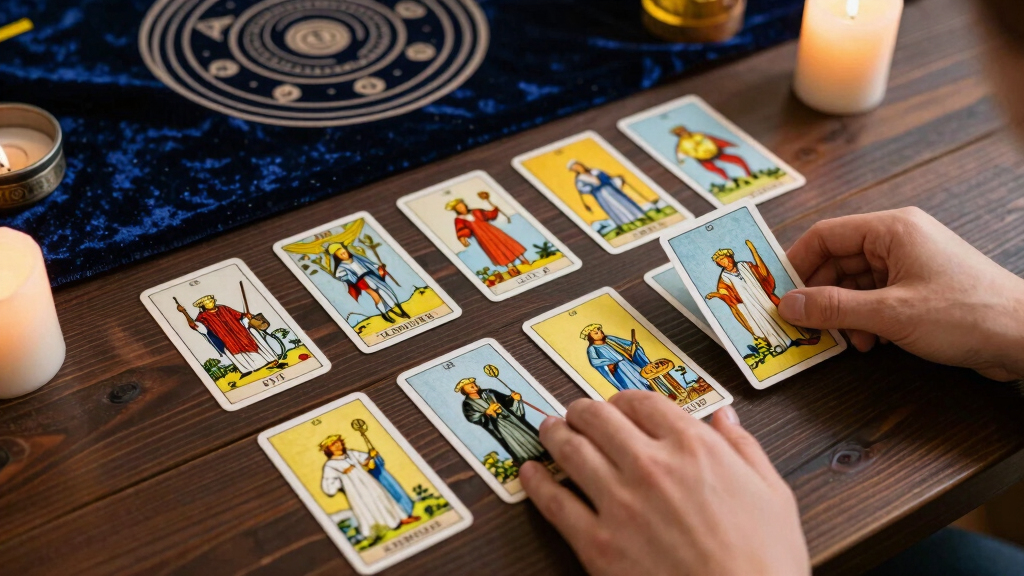
This article examines the artistic craftsmanship behind tarot cards and their cultural significance. It discusses recent trends, the role of creativity, and why tarot remains relevant today.
Recent developments highlight a renewed appreciation for the artistic craftsmanship of tarot cards, with artists and collectors emphasizing their cultural and aesthetic value.
Numerous artists and designers are increasingly focusing on creating visually intricate and culturally resonant tarot decks, reflecting a blend of tradition and modern artistic expression. This trend is driven by a growing community of enthusiasts and collectors who value the cards not only for their symbolism but also as works of art. Recent exhibitions and publications have spotlighted the artistic diversity within tarot decks, showcasing everything from classical illustrations to contemporary digital designs. While tarot’s spiritual and divinatory uses remain central, its artistic aspect is gaining recognition as a significant cultural phenomenon, influencing fashion, design, and pop culture. Experts note that this intersection of art and mysticism is expanding the appeal of tarot across different audiences, including those interested in art, history, and cultural symbolism.
Cultural and Artistic Impact of Modern Tarot
The growing appreciation of tarot as an art form enhances its cultural relevance and broadens its appeal beyond traditional divination. This trend influences artistic communities, promotes cultural exchange, and elevates the perception of tarot decks as collectible art pieces. Recognizing tarot’s artistic value also helps dispel stereotypes that limit its use to mysticism, positioning it as a form of creative expression that intersects with contemporary art movements. As a result, tarot’s cultural significance is expanding, fostering new dialogues around symbolism, aesthetics, and spirituality in popular culture.
As an affiliate, we earn on qualifying purchases.
Evolution of Tarot as an Artistic Medium
Historically, tarot cards originated in 15th-century Europe as playing cards, later adopting mystical and divinatory roles in the 18th century. Learn more about tarot readings. Over time, artists have contributed to the design of tarot decks, with notable examples like the Rider-Waite deck influencing modern aesthetics. In recent years, the rise of independent artists and digital tools has led to a proliferation of unique, artist-designed decks. Exhibitions and publications have increasingly showcased tarot as a form of visual storytelling and cultural expression, reflecting diverse artistic styles and cultural influences. This evolution mirrors broader trends in art and design, emphasizing personalization, symbolism, and cultural identity.
“The artistry of tarot cards has become a vital part of their cultural identity, blending tradition with contemporary visual storytelling.”
— an anonymous researcher
cultural tarot cards collectible
As an affiliate, we earn on qualifying purchases.
As an affiliate, we earn on qualifying purchases.
Unclear Aspects of Future Artistic Directions
It remains unclear how mainstream commercial interests will influence the diversity of tarot art forms or whether new digital technologies will significantly alter traditional design practices. The extent to which tarot will be integrated into broader art movements or remain a niche cultural phenomenon is also still developing.
As an affiliate, we earn on qualifying purchases.
Upcoming Trends and Exhibitions in Tarot Art
Expect continued growth of independent and digitally designed tarot decks, with upcoming exhibitions and publications highlighting innovative artistic approaches. Artists and collectors are likely to explore cross-disciplinary collaborations, further elevating tarot as a serious art form. Additionally, more cultural institutions may feature tarot in their collections and exhibits, emphasizing its artistic and cultural importance. Monitoring these developments will clarify how tarot’s artistic identity evolves in the coming years.
As an affiliate, we earn on qualifying purchases.
Key Questions
Why is the artistic aspect of tarot gaining recognition now?
Growing interest in visual storytelling, cultural symbolism, and the collectible art market has elevated the artistic value of tarot decks, with artists and collectors emphasizing their aesthetic qualities.
How do modern tarot decks differ from traditional ones?
Modern decks often feature diverse artistic styles, digital illustrations, and culturally inspired symbolism, contrasting with the more standardized traditional designs like Rider-Waite.
Can tarot art influence mainstream art and design?
Yes, the unique aesthetics and symbolism of tarot cards are increasingly incorporated into fashion, graphic design, and contemporary art projects, reflecting their expanding cultural influence.
Is the focus on art affecting the spiritual or divinatory use of tarot?
While the spiritual use remains central for many practitioners, the emphasis on artistic qualities broadens tarot’s appeal as a cultural and artistic phenomenon, without replacing its traditional functions.
Source: rss
Halloween Picks
halloween
As an affiliate, we earn on qualifying purchases.