TL;DR
Interest in tarot cards is sharply increasing, driven by a renewed fascination with Renaissance symbolism and modern reinterpretations. Experts suggest this trend reflects broader shifts in spirituality and personal exploration, though the exact causes remain unconfirmed.
Search interest in tarot cards has surged in recent weeks, reflecting a growing curiosity about their historical symbolism rooted in the Renaissance and their evolving role in modern spiritual practices. While the trend is observable through online data, the precise reasons behind this renewed fascination are still unconfirmed.
Multiple online analytics tools report a significant increase in searches related to tarot, particularly focusing on its Renaissance origins and contemporary interpretations. Experts note that this rise coincides with broader cultural shifts toward personalized spirituality and self-discovery. Historically, tarot decks have incorporated Renaissance symbols—such as alchemical imagery, classical figures, and mythological references—that are now being reimagined in modern contexts, blending tradition with innovation. The trend appears to be driven by a combination of social media influence, renewed interest in esoteric knowledge, and the accessibility of tarot through digital platforms. However, it remains unclear whether this spike is part of a sustained movement or a temporary surge fueled by specific online communities.Sources suggest that many new users are exploring tarot for personal growth, mental health, and entertainment, rather than solely for divination. Meanwhile, some practitioners emphasize the importance of understanding the historical symbolism embedded in traditional decks, which often draw heavily from Renaissance art and philosophy. This blending of old and new is seen as a key factor in the trend’s appeal, though concrete data on its long-term impact is not yet available.
Cultural Shift Toward Personal Spirituality
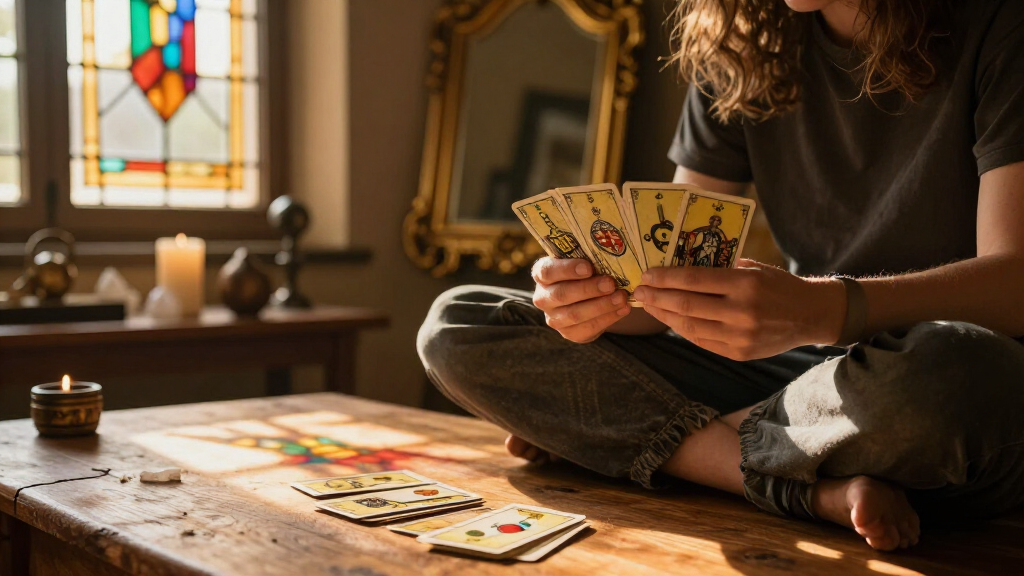
The rising interest in tarot, especially its Renaissance symbolism combined with modern visions, signals a broader cultural movement toward personalized spirituality and self-exploration. This trend could influence how spiritual tools are perceived and used, potentially impacting industries related to wellness, education, and entertainment. As more people incorporate tarot into their daily lives, it may also prompt a reevaluation of traditional religious and spiritual frameworks, fostering a more eclectic approach to personal belief systems. Furthermore, the integration of historical symbols into contemporary practices underscores a desire to connect with deeper cultural roots while adapting to modern sensibilities. This shift highlights an evolving landscape where ancient imagery and modern technology intersect, shaping future spiritual and cultural expressions.As an affiliate, we earn on qualifying purchases.
Historical Roots and Modern Reinterpretations of Tarot
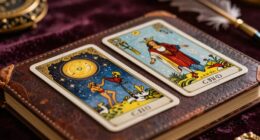
Tarot cards originated in Europe during the Renaissance period, with decks often featuring symbols from classical mythology, alchemy, and Christian iconography. Over centuries, tarot evolved from a card game to a tool for divination and spiritual insight. Recently, interest has resurged, partly driven by social media and online communities that emphasize both historical accuracy and innovative reinterpretations. The current trend reflects a fascination with Renaissance art and symbolism, which many enthusiasts see as a spiritual and cultural bridge to the past. Experts note that contemporary decks often incorporate modern artwork and themes, blending traditional symbolism with current social issues, mental health themes, and personal growth narratives. This ongoing adaptation demonstrates a dynamic relationship between historical roots and present-day spirituality, though the precise drivers of the current surge remain unconfirmed.modern reinterpretation tarot cards
As an affiliate, we earn on qualifying purchases.
As an affiliate, we earn on qualifying purchases.
Unconfirmed Causes Behind the Search Surge
While the spike in interest is well-documented through online search data, the specific causes remain unconfirmed. It is unclear whether this trend is driven by a few influential social media accounts, a broader cultural shift, or coincidental timing with other spiritual movements. Researchers and industry observers caution that without detailed surveys or longitudinal data, attributing the surge to particular factors is speculative. Additionally, it is not yet certain whether this is a temporary phenomenon or the beginning of a sustained movement in spiritual and cultural practices.
As an affiliate, we earn on qualifying purchases.
Monitoring Long-Term Engagement and Industry Impact
Experts anticipate ongoing analysis of search and social media data to determine if the trend persists. Industry stakeholders, including deck creators, spiritual educators, and online communities, are likely to respond with new products and content. Researchers may conduct surveys or ethnographic studies to better understand motivations and perceptions. As the trend develops, it could influence the design of future tarot decks, educational content, and even broader cultural narratives about spirituality and history. The next few months will be critical in assessing whether this surge translates into lasting change or remains a temporary spike.
As an affiliate, we earn on qualifying purchases.
Key Questions
Why is interest in tarot increasing now?
While the exact reasons are unconfirmed, experts suggest a combination of social media influence, a broader cultural shift toward personalized spirituality, and a fascination with Renaissance symbolism are contributing to the surge.
Are modern tarot decks different from traditional ones?
Yes, many modern decks incorporate contemporary artwork and themes while still referencing traditional Renaissance symbols, creating a blend of historical and modern imagery.
Is this trend expected to last?
The longevity of the trend is uncertain. Analysts plan to monitor search and social media data to see if interest remains high or diminishes over time.
Who is driving this renewed interest?
It appears to be a mix of individual enthusiasts, social media influencers, and creators of new tarot decks who are exploring both historical symbolism and modern interpretations.
Source: rss