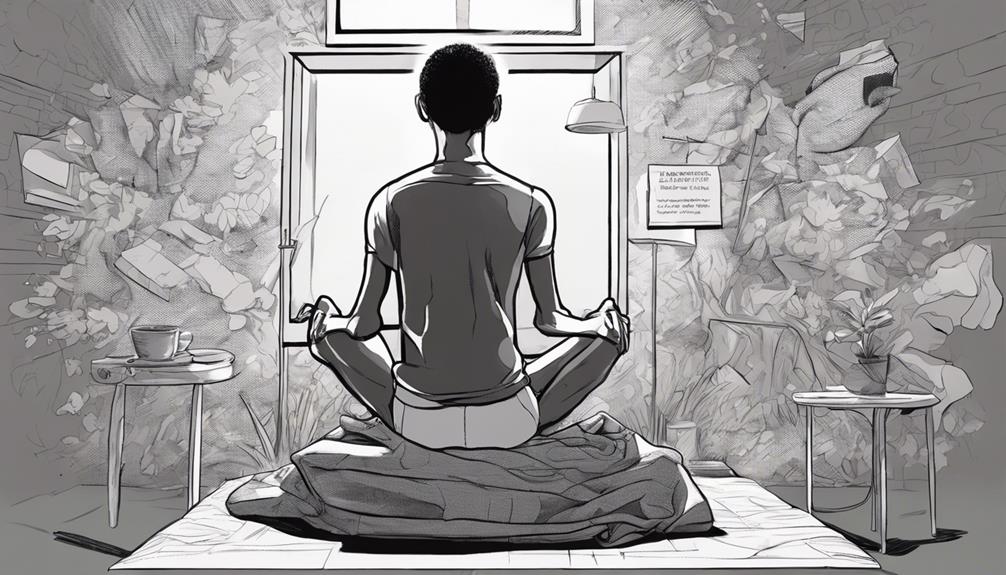
Trauma can show up as physical restlessness when your body constantly fidgets, paces, or feels agitated without any clear reason. You might notice tight muscles, rapid heartbeat, or shallow breathing, which are your body’s natural stress signals. These reactions happen because your nervous system stays on high alert, even if there’s no real danger. Understanding these signs helps you recognize what’s happening internally, and if you keep exploring, you’ll learn more ways to manage these physical responses.

Turn your quiet moments into listening time
- Thousands of audiobooks, podcasts and originals
- Listen on your phone, tablet or Echo — also offline
- Cancel anytime
Key Takeaways
- Trauma can cause constant fidgeting, pacing, and an inability to sit still due to underlying physical agitation.
- Physical sensations like tight muscles and rapid heartbeat reflect the body’s stress response to trauma.
- Triggers activate the threat perception, leading to heightened alertness and physical restlessness.
- Emotional vulnerability and stress exacerbate physiological reactions, increasing physical agitation.
- Recognizing signs like shallow breathing and muscle tension helps manage trauma-related restlessness effectively.

Trauma often manifests in ways that are not immediately obvious, and one common sign is restlessness. When you’re carrying unresolved trauma, your body can react in ways that feel automatic and uncontrollable, even if your mind isn’t fully aware of why. Restlessness might show up as constant fidgeting, pacing, or an inability to sit still for long periods. It’s your body’s way of signaling that something isn’t quite right beneath the surface. Often, emotional triggers and anxiety responses play a significant role in this physical agitation. When you encounter a situation that reminds you of past trauma, your emotional triggers can set off a chain reaction, making you feel overwhelmed and on edge. These triggers might be subtle, like a certain smell or sound, or more obvious, like a confrontation or high-pressure situation. As soon as you encounter such triggers, your brain interprets them as threats, activating your body’s stress response and fueling restlessness. Additionally, the physical sensations associated with trauma, such as tight muscles and rapid heartbeat, can further intensify feelings of agitation. You might notice that your anxiety responses escalate when you’re under stress or feeling emotionally vulnerable. Your body perceives danger, even if there’s no real threat present, and this perception triggers a cascade of physical sensations—tight muscles, rapid heartbeat, shallow breathing—that contribute to your restless feelings. It’s as if your nervous system is stuck in a heightened state of alert, constantly preparing you for a possible threat. As a result, you feel compelled to move, to do something, to escape the uncomfortable tension. This physical restlessness isn’t just a mental state; it’s your body’s way of trying to cope with unresolved emotional pain and fear. Recognizing that these feelings are rooted in trauma is vital because it helps you understand that your body’s reactions aren’t a sign of weakness or a lack of control—they’re a normal response to unresolved emotional wounds. Becoming aware of how emotional triggers and anxiety responses fuel your restlessness can also help you develop healthier coping mechanisms. Techniques like mindfulness practices and grounding exercises can help calm the nervous system and reduce persistent agitation. Incorporating body awareness techniques can further enhance your ability to recognize and manage these physical responses early, especially when combined with an understanding of the role of physiological reactions in trauma responses. Developing an understanding of trauma-related physical signs can empower you to intervene early before the restlessness escalates.
mindfulness meditation for trauma
As an affiliate, we earn on qualifying purchases.
As an affiliate, we earn on qualifying purchases.
Frequently Asked Questions
Can Trauma-Related Restlessness Occur Without Emotional Symptoms?
Yes, trauma-related restlessness can occur without emotional symptoms. When you suppress emotions or experience physical numbness, your body might still react with restlessness even if you’re not consciously aware of emotional distress. This physical agitation can serve as a subconscious signal, showing that unresolved trauma influences your body beyond what you feel emotionally. Recognizing these signs helps you address underlying trauma more effectively.
How Long Does Trauma-Induced Physical Restlessness Typically Last?
When trauma triggers your body’s restless dance, the duration varies, often lingering days or weeks, but sometimes longer. You can manage this restlessness by understanding its roots and practicing calming techniques. It’s essential to be gentle with yourself during this time, knowing that patience and consistent restlessness management can ease the storm within. Over time, your body learns to find peace amid the chaos, helping the symptoms gradually subside.
Are Certain Activities More Effective in Calming Trauma-Related Restlessness?
Yes, certain activities can help calm trauma-related restlessness. Mindfulness exercises are particularly effective because they bring your focus to the present moment, reducing anxiety. Gentle stretching also helps release tension stored in your muscles, easing physical agitation. Incorporating these practices into your routine can promote a sense of calm and help manage restlessness better. Consistency is key to experiencing their full calming benefits.
Can Medication Help Reduce Physical Restlessness Caused by Trauma?
Ever wonder if medication can help ease your physical restlessness from trauma? Yes, medication management can greatly reduce symptoms, especially when combined with alternative therapies like mindfulness or acupuncture. It’s important to consult a healthcare professional to find the right balance and ensure safe use. While medication can provide relief, exploring holistic approaches empowers you to manage trauma’s physical effects more effectively and regain a sense of calm.
How Can Caregivers Distinguish Trauma Restlessness From Other Medical Issues?
You can distinguish trauma-related restlessness by observing specific trauma triggers and patterns. Trauma triggers often cause sudden, intense restlessness, while other medical issues may produce more consistent or predictable symptoms. Pay attention to whether the restlessness worsens in certain situations or after specific events. If restlessness aligns with known trauma triggers and follows distinct patterns, it’s likely trauma-related. Consulting a healthcare professional can help clarify the cause.
As an affiliate, we earn on qualifying purchases.
Conclusion
If you notice constant fidgeting or an inability to sit still, it could be your trauma manifesting physically. Take Sarah, for example, who always felt restless after her divorce—unbeknownst to her, her body was processing unresolved emotional pain. Recognizing these signs is the first step toward healing. Don’t ignore the signals your body sends; addressing trauma can help restore peace and reduce that persistent restlessness.
As an affiliate, we earn on qualifying purchases.
As an affiliate, we earn on qualifying purchases.
Fall Picks
fall essentials
As an affiliate, we earn on qualifying purchases.