

Titration and pendulation are key techniques for managing trauma exposure safely. Titration involves gradually exposing yourself to difficult sensations or thoughts in small, controlled doses, which prevents overwhelm. Pendulation shifts your focus between activating and calming states, helping your nervous system find balance. By paying attention to body signals and respecting your limits, you build resilience over time. Continuing this process allows you to expand your capacity to handle challenging experiences more comfortably.
Key Takeaways
- Titration involves introducing manageable doses of trauma-related stimuli to prevent overwhelm and facilitate processing.
- Pendulation shifts attention between distress and safety, promoting nervous system oscillation and resilience.
- Recognizing body signals guides pacing and helps avoid dysregulation during trauma exposure.
- Gradual exposure through titration and pendulation enhances capacity to handle difficult emotions safely.
- Mindful awareness of sensations and thoughts supports controlled regulation and recovery during trauma management.

Titration and pendulation are fundamental techniques used to analyze and understand dynamic systems. When it comes to managing trauma, these methods help you regulate your nervous system and build resilience. One of the key strategies involved is gradual exposure, which means introducing challenging stimuli in small, manageable doses. This approach prevents overwhelming your system and allows you to process experiences without becoming dysregulated. As you practice, you learn to recognize your body’s signals, strengthening your body awareness and making it easier to stay present during difficult moments.
Gradual exposure isn’t about rushing through discomfort but rather about pacing yourself. You might start by simply noticing sensations in your body or observing thoughts related to trauma without judgment. Over time, you can gently increase your exposure, always mindful of your boundaries and current capacity. The goal is to expand your window of tolerance slowly, so that what once felt overwhelming becomes manageable. Your body acts as a guide, sending signals like tension, tightness, or racing thoughts. Paying close attention to these cues helps you stay in control and prevents the nervous system from becoming flooded.
Pendulation plays a crucial role here by helping you shift between states of arousal and calm. When you notice yourself becoming overwhelmed, you can intentionally move your focus to a calmer part of your experience, such as a safe memory or a soothing sensation in your body. This shifting back and forth allows your nervous system to oscillate between activation and deactivation, facilitating healing. It’s like riding a gentle wave, where you ride the crest briefly before returning to calmer waters. This oscillation teaches your system that it can handle distress without becoming stuck there, cultivating resilience over time.
Throughout this process, body awareness becomes your most indispensable tool. By tuning into physical sensations, you gain insight into your emotional and physiological states. This awareness enables you to apply titration and pendulation more effectively, recognizing early signs of dysregulation and responding with gentle, intentional practices. Incorporating somatic techniques can further enhance this process by engaging the body’s natural capacity for healing body awareness. Over time, you develop a sense of safety within your own body, empowering you to face difficult memories or feelings without feeling overwhelmed. This mindful approach transforms trauma management from avoidance into a gradual, controlled process, where your nervous system learns to adapt and recover. Ultimately, these techniques foster a sense of mastery and safety, guiding you toward healing and resilience.

Massage Lacrosse Balls for Myofascial Release,Yoga Deep Tissue Massage,Trigger Point Therapy and Foot Plantar Fasciitis,Muscle Soreness Massager Ball (2Pack,Deep Blue and Purple)
【Perfect For Massage Therapy】An excellent set of healing balls gives you enough pressure to help you remove muscle…
As an affiliate, we earn on qualifying purchases.
As an affiliate, we earn on qualifying purchases.
Frequently Asked Questions
Can Titration Be Used for All Types of Trauma?
Titration can be helpful for many types of trauma, but it might not suit all cases. You’ll want to contemplate the trauma’s progression and your individual healing milestones. For some, gradual exposure helps build resilience without overwhelming them. However, complex or severe trauma may require additional approaches. Always consult a mental health professional to determine if titration fits your specific situation and to guide you through the healing process safely.
How Do I Know if I’M Ready for Pendulation?
You’ll know you’re ready for pendulation when you can comfortably stay grounded during emotional regulation exercises in a safe environment. It’s like planting a sturdy tree—it needs to be rooted before swaying with the breeze. If you notice you can gently shift between distress and calm without feeling overwhelmed, that’s a sign you’re prepared. Trust your progress, and always move at your own pace, ensuring safety and stability.
Are There Risks Associated With Trauma Titration?
Yes, there are risks with trauma titration, especially if you’re not practicing proper emotional regulation or safety planning. Pushing too hard can lead to overwhelming feelings or retraumatization. To minimize these risks, make certain you have a solid safety plan in place and work with a trained therapist who can guide you through gradual exposure. Always prioritize your well-being and stop if you feel unsafe or overly distressed.
How Long Does Trauma Titration Typically Take?
Trauma titration typically takes a few sessions, but the duration varies based on your emotional readiness and the complexity of your trauma. It’s essential to move at a pace that feels safe for you, so don’t rush the process. Your therapist will assess your progress and adjust the timeline accordingly. Remember, patience and self-awareness are key, and it’s okay to take the time you need for healing.
Can These Methods Be Combined With Medication?
Think of combining these methods with medication as creating a symphony where each instrument enhances the melody. You can absolutely integrate titration and pendulation with medication, fostering medication synergy and therapeutic integration. This approach can deepen your healing process, as medication helps stabilize your nervous system, making trauma exposure more manageable. Collaborate closely with your therapist and psychiatrist to guarantee these strategies harmonize effectively, guiding you toward resilience.

Retrospec Sedona Zafu Meditation Cushion with Buckwheat Hull Fill – Adjustable Yoga & Pilates Equipment Support – 17in Crescent Cotton Cover
NATURAL COMFORT & SUPPORT: Filled with sustainable buckwheat hulls, this meditation cushion elevates your practice by aligning your…
As an affiliate, we earn on qualifying purchases.
As an affiliate, we earn on qualifying purchases.
Conclusion
Remember, healing is a journey, not a race. By practicing titration and pendulation, you gradually build resilience and regain control over your trauma exposure. It’s like walking a tightrope—you need balance and patience. As the saying goes, “Slow and steady wins the race.” Trust the process, and with time, you’ll find yourself more grounded and empowered to face what comes next. Keep moving forward, one gentle step at a time.
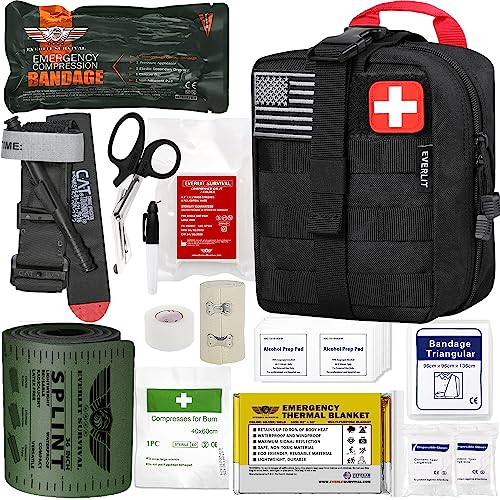
EVERLIT Emergency Trauma Kit, CAT GEN-7 Tourniquet 36" Splint, Military Combat Tactical IFAK for First Aid Response, Critical Wounds, Severe Bleeding Control (Black)
✅【Everlit Emergency Trauma Kit】: Uniquely customized by U.S military VETERANS to get you well-prepared in advance to emergencies…
As an affiliate, we earn on qualifying purchases.
As an affiliate, we earn on qualifying purchases.

Somatic Exercises for Nervous System Regulation: 90+ Simple Techniques to Release Trauma, Reduce Tension, and Alleviate Anxiety and Stress in Just 10 Minutes a Day
As an affiliate, we earn on qualifying purchases.
As an affiliate, we earn on qualifying purchases.