

To recognize subtle signs of nervous system dysregulation, pay attention to sudden mood swings, difficulty relaxing after stress, or feeling emotionally numb. Notice if you often feel jittery or on edge, struggle to recover from emotional upheaval, or get easily distracted. Your brain may feel foggy, and you might react unpredictably to small frustrations. Being aware of these signals helps you understand your body’s stress patterns, and if you stay curious, you’ll uncover more ways to support your nervous system.
Key Takeaways
- Notice mood swings, emotional numbness, or disproportionate reactions to minor frustrations.
- Pay attention to persistent hyperarousal, difficulty relaxing, or feeling stuck in a heightened alert state.
- Observe reduced emotional resilience, increased fatigue after stress, or quick mood shifts.
- Recognize mental fog, distractibility, and difficulty focusing during daily activities.
- Be aware of subtle body and mind signals indicating stress responses, and use relaxation techniques proactively.

Nervous system dysregulation can subtly influence your daily life, often manifesting as heightened stress, anxiety, or difficulty concentrating. When your nervous system isn’t functioning best , you might notice that your mood swings feel more intense, or that even simple tasks seem overwhelming. Recognizing these signs early can help you take steps to restore balance before they escalate into more serious issues. One key indicator is changes in your autonomic balance—the way your sympathetic and parasympathetic nervous systems interact. If you’re frequently stuck in a state of hyperarousal, feeling jittery or on edge, or if your body struggles to relax after stress, it’s a sign that your autonomic balance might be off. Conversely, feeling numb or emotionally disconnected could also point to dysregulation, revealing a need to restore your emotional resilience.
Early signs of nervous system dysregulation include mood swings, difficulty relaxing, and emotional disconnection.
Your emotional responses might become more unpredictable, with reactions that seem disproportionate to the situation. You might find yourself reacting intensely to minor frustrations or feeling overwhelmed without a clear reason. These emotional shifts are often linked to your nervous system’s inability to adapt efficiently to stressors. When your nervous system is dysregulated, your ability to recover from emotional upheaval diminishes, leaving you feeling drained or more vulnerable to mood swings. Recognizing these subtle shifts in emotional resilience can be a clue that your nervous system needs support.
Difficulty concentrating is another common sign. You may notice your mind feels foggy, or that you’re easily distracted, even when you’re trying to focus on work or a task you usually enjoy. This cognitive blurring often accompanies heightened stress levels and is closely tied to dysregulation in your nervous system. When your autonomic balance is disrupted, your brain may not receive the steady signals it needs to function best , leading to mental fatigue. Additionally, understanding the role of nervous system regulation in overall well-being can empower you to make more mindful choices for your health.
Being aware of these signs—altered autonomic balance, fluctuating emotional resilience, and concentration issues—can help you identify early cues of nervous system dysregulation. It’s not always obvious at first, but paying attention to how your body and mind react to everyday stressors can give you valuable insights. When you notice these subtle signs, you can take proactive steps like practicing relaxation techniques, improving sleep, or seeking professional guidance to restore balance and support your overall well-being. Recognizing the early signals is a vital step toward maintaining a resilient, healthy nervous system.

Herb Pharm Nervous System Tonic with St. John’s Wort, Organic Skullcap & Milky Oat | Liquid Extract for Calm, Emotional & Stress Support Supplement | Vegan, Non-GMO, Up to ~3 Week Supply, 1 oz*
- Herbal Nervous System Support: Includes oat seed, skullcap, St. John's Wort
- Calm and Stress Relief: Supports relaxation and emotional balance
- Daily Tonic Formula: Can be taken regularly for nervous system health
As an affiliate, we earn on qualifying purchases.
As an affiliate, we earn on qualifying purchases.
Frequently Asked Questions
Can Nervous System Dysregulation Be Inherited Genetically?
Yes, nervous system dysregulation can be inherited genetically. Your genetic predisposition and inherited traits influence how your nervous system responds to stress and stimuli. If your family has a history of anxiety, depression, or other neurodevelopmental conditions, you may be more vulnerable. While genetics play a role, environmental factors also contribute. Recognizing these inherited traits helps you understand your body’s responses and seek appropriate support.
How Long Does It Take to Recover From Dysregulation?
Imagine your nervous system as a garden that needs time to heal after a storm. Recovery varies, depending on your stress management and emotional resilience. It can take days, weeks, or longer, but with patience and care, balance returns. Prioritize relaxation, healthy habits, and emotional awareness. Over time, your garden flourishes again, and your nervous system regains strength, helping you feel more grounded and resilient in life’s unpredictable weather.
Are There Specific Foods That Worsen Nervous System Imbalance?
Certain foods can worsen nervous system imbalance, especially if they act as diet triggers or cause food sensitivities. You should watch out for processed foods, excessive caffeine, refined sugars, and artificial additives, as they can overstimulate your nervous system. Identifying and avoiding these triggers helps restore balance. Pay attention to how your body reacts after eating, and consider consulting a healthcare professional for personalized guidance.
Can Meditation Fully Cure Nervous System Dysregulation?
Meditation alone can’t fully cure nervous system dysregulation, but it plays a crucial role. By practicing mindfulness techniques, you can better manage stress and improve your nervous system’s health. Consistent stress management through meditation helps regulate your body’s responses, reducing symptoms over time. Keep in mind, combining meditation with other approaches like therapy or lifestyle changes offers the most effective path to restoring balance.
What Are the First Signs of Chronic Nervous System Issues?
Did you know 80% of people experience some form of nervous system imbalance? You might notice the first signs through irregular autonomic responses, like rapid heartbeat or sweating, and emotional symptoms such as anxiety or mood swings. These subtle cues often appear before more serious issues develop. Pay close attention to these early signals, as recognizing them can help you seek timely support and prevent further dysregulation.

The Relaxation and Stress Reduction Workbook
As an affiliate, we earn on qualifying purchases.
As an affiliate, we earn on qualifying purchases.
Conclusion
As you tune into your body’s whispers—those fleeting flickers of anxiety, sudden bursts of energy, or a lingering sense of unease—you begin to notice the subtle signals of nervous system dysregulation. Imagine your nervous system as a delicate orchestra, where each note matters. When one instrument is off-key, the harmony falters. By recognizing these quiet cues, you can gently restore balance, allowing your inner symphony to play in peaceful, vibrant harmony once more.

Paulina FITNESS Reset AM Metabolism & Hormone Support – 90 Caps
- Safety Warning: Not for pregnant or breastfeeding women
- Metabolism & Energy Boost: Supports healthy metabolism and sustained energy
- Hormonal Balance: Helps maintain hormonal harmony
As an affiliate, we earn on qualifying purchases.
As an affiliate, we earn on qualifying purchases.
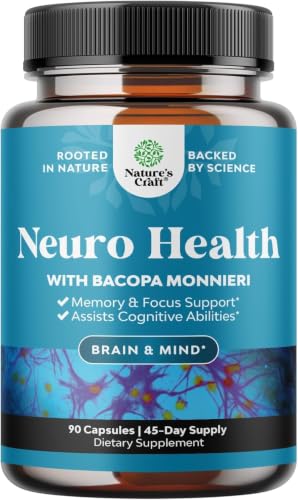
Nootropic Brain Supplement for Memory and Focus Support – Vitamins for Mental Support & Clarity with Bacopa Monnieri, VIT A, B6, Riboflavin, Niacin, Thiamin & Folate – Cognitive Complex – 90 Count
- Supports Memory and Focus: Enhances cognitive function and concentration
- Promotes Mental Clarity: Reduces brain fog and sharpens thinking
- Contains Powerful Ingredients: Includes Bacopa Monnieri, B vitamins, and more
As an affiliate, we earn on qualifying purchases.
As an affiliate, we earn on qualifying purchases.