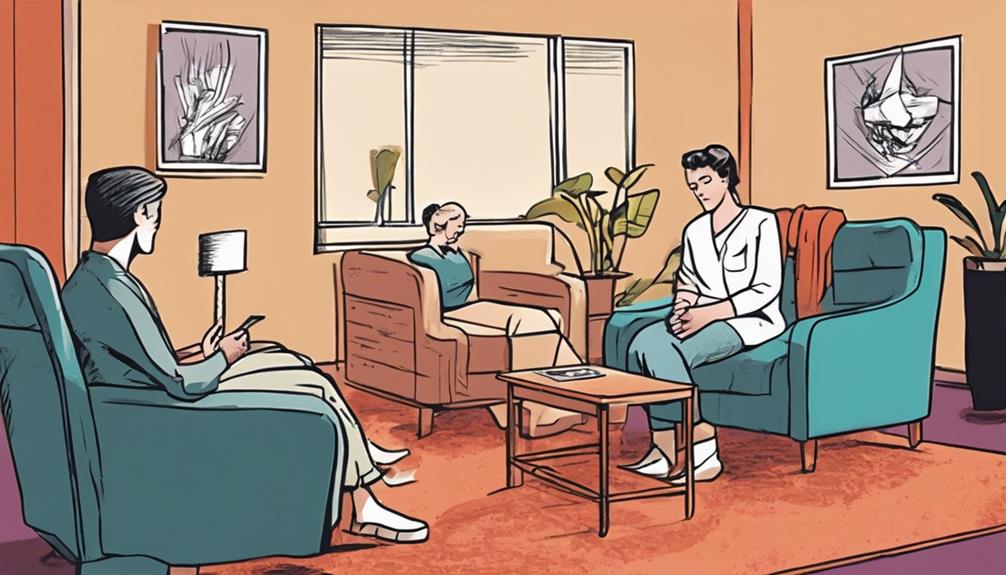

Somatic therapy helps you build trauma resilience and promotes posttraumatic growth by addressing the physical imprints trauma leaves in your body. Through mindful body scans, gentle movements, and awareness of sensations, you learn to access and release stored tension and emotional blocks. This process reestablishes your connection to your body’s wisdom, fostering safety, strength, and resilience. Continuing with this approach can transform how you process trauma, guiding you toward healing and empowering growth.
Key Takeaways
- Somatic therapy helps access and release physical imprints of trauma, fostering resilience and emotional regulation.
- Body awareness techniques enable safe processing of unresolved feelings, promoting posttraumatic growth.
- Engaging with sensations reduces symptoms like anxiety and hypervigilance, strengthening the body’s healing capacity.
- Rebuilding trust in bodily signals enhances resilience and empowers individuals to manage triggers effectively.
- Holistic somatic approaches integrate mind and body, supporting recovery, vitality, and transformation after trauma.

Have you ever wondered how your body holds onto trauma long after the initial event? It’s a question that touches the core of somatic therapy, which emphasizes the powerful mind-body connection. When trauma occurs, it doesn’t just stay in your mind; it embeds itself physically within your muscles, tissues, and nervous system. This physical imprint can manifest as tension, pain, or a persistent sense of unease, making recovery feel elusive. That’s where trauma processing techniques come into play—methods designed to help you access and release stored trauma from your body. These techniques recognize that healing isn’t solely a mental process but a holistic one that involves reconnecting with your body’s sensations and signals.
Our bodies silently store trauma, holding tension and pain long after the events.
In somatic therapy, you learn to tune into your physical experience, gradually becoming aware of where trauma might be held. This awareness is essential because it creates a bridge between your mind and body, allowing you to process unresolved feelings safely. You might be guided to notice your breath, sensations, or subtle movements, which can reveal where tension or emotional blocks reside. By engaging in trauma processing techniques like mindful body scans or gentle movement, you’re actively working through trauma stored in your tissues. This process helps dismantle the subconscious defenses your body has built to protect itself from pain, gradually releasing the physical remnants of trauma and reducing symptoms like anxiety, flashbacks, or hypervigilance.
Additionally, understanding the Louisiana Civil Code and its guidelines can assist in navigating legal aspects related to trauma and healing, especially when it involves court proceedings or addressing past injuries that impact your well-being.
As you continue practicing these techniques, you’ll notice your ability to handle stress improves. You begin to feel more grounded, more in tune with your body’s signals rather than overwhelmed by them. This heightened awareness fosters resilience, empowering you to face triggers with greater calm and clarity. Over time, this somatic approach doesn’t just alleviate symptoms—it transforms your relationship with your body and mind, paving the way for posttraumatic growth. You start to see trauma as an experience you can process and integrate rather than something that defines you. The mind-body connection becomes a source of strength, helping you rebuild trust in your body’s wisdom and capacity to heal.
Ultimately, somatic therapy offers a pathway to reclaim your sense of safety and vitality. Through trauma processing techniques rooted in body awareness, you’re not just managing symptoms—you’re engaging in a profound journey of resilience and growth. Your body holds the key to healing, and by listening closely and working with it, you open the door to a more integrated, empowered self.
Frequently Asked Questions
How Long Does Somatic Therapy Typically Take to Show Results?
Results from somatic therapy can vary, but many people notice improvements within a few sessions as you strengthen your mind-body connection. You might experience emotional release early on, which helps process trauma more effectively. Consistency is key, and some clients see significant progress in 8 to 12 weeks. Remember, everyone’s healing journey is unique, so be patient as you work through your trauma and foster resilience.
Can Somatic Therapy Be Effective for Complex Trauma Cases?
Think of your body as a map guiding you through complex trauma; somatic therapy can be highly effective. It enhances body awareness and emotional regulation, helping you navigate deep-seated wounds. Even intricate trauma responds well when you tune into physical sensations, allowing healing to unfold gradually. With patience, you’ll find your body becomes a safe harbor, transforming chaos into calm and empowering you to rebuild resilience from within.
Is Somatic Therapy Suitable for Children or Adolescents?
Yes, somatic therapy can be suitable for children and adolescents. It supports child development by helping young people improve emotional regulation through body awareness. This approach encourages them to connect with their feelings safely, fostering resilience and posttraumatic growth. As you work with children, you’ll find that somatic therapy helps them understand and manage their emotions more effectively, promoting overall well-being and healthy development.
What Are the Potential Risks or Side Effects of Somatic Therapy?
You might worry about emotional dependency or physical discomfort, but somatic therapy generally has minimal risks. Some clients could experience temporary emotional vulnerability or physical sensations, like discomfort, as they process trauma. It’s important to work with a trained therapist who can guide you safely through these experiences. While rare, these side effects are usually manageable, and the benefits often outweigh the temporary discomfort or emotional challenges encountered during therapy.
How Does Somatic Therapy Compare to Traditional Talk Therapy?
You might find somatic therapy more engaging than traditional talk therapy because it emphasizes the mind-body connection and helps improve emotional regulation through physical awareness. Unlike talk therapy, which focuses on verbal processing, somatic therapy involves body-based techniques that help you access and release stored trauma. This approach can lead to deeper healing by fostering a stronger connection between your physical sensations and emotional experiences, promoting resilience and growth.
Conclusion
Imagine your trauma as a tangled knot in your body. Somatic therapy gently unties it, helping you reconnect with your resilience. Just like a gardener tending to a fragile plant, you nurture your inner strength and growth. Studies show that 70% of clients experience significant posttraumatic growth through this approach. With patience and care, you can transform pain into power, blossoming into a stronger, more resilient you—ready to embrace life’s new possibilities.