Somatic therapy helps you manage somatic symptom disorders by strengthening the connection between your mind and body. It guides you to tune into sensations without judgment, use breathwork, and move gently, which can calm your nervous system. This process helps you understand how emotions impact physical symptoms and develop healthier emotional regulation. By fostering body compassion and acceptance, somatic therapy empowers you to actively participate in your healing journey—continue to discover how these techniques can make a difference.
Key Takeaways
- Somatic therapy addresses physical symptoms linked to emotional and psychological factors by strengthening the mind-body connection.
- It uses techniques like breathwork, body scans, and gentle movement to enhance bodily awareness and regulation.
- The therapy helps identify emotional triggers contributing to somatic symptoms, promoting healthy emotional processing.
- Cultivating body compassion reduces stress responses and fosters acceptance of bodily signals, aiding symptom reduction.
- Overall, somatic therapy empowers individuals to manage symptoms through emotional regulation and improved mind-body integration.

Somatic therapy offers a promising approach for managing somatic symptom disorders by directly addressing the mind-body connection. When you experience physical symptoms with no clear medical cause, it can feel overwhelming and confusing. Somatic therapy helps you recognize how your emotional and psychological states influence your body, strengthening the mind body connection. By becoming more aware of this link, you gain tools to regulate your emotions more effectively, which can reduce the intensity and frequency of your symptoms.
Somatic therapy enhances the mind-body link, helping regulate emotions and reduce physical symptoms.
In somatic therapy, you learn to tune into your body’s sensations, noticing what arises without judgment. This heightened awareness allows you to identify emotional triggers that might be fueling your physical symptoms. For example, if you notice tension or discomfort in your chest during stressful moments, you can begin to explore what feelings are present—fear, frustration, sadness—and work through those emotions. Developing emotional regulation skills becomes a core part of this process. Instead of suppressing or avoiding feelings, you learn to experience them fully and process them in a healthy way. This not only alleviates emotional distress but also diminishes the physical manifestations that often accompany unresolved emotions.
Practicing techniques like breathwork, body scans, or gentle movement helps you reconnect with your body in a mindful manner. These practices serve to calm your nervous system, which is often hyperactive in individuals with somatic symptom disorders. As your nervous system stabilizes, you may notice your symptoms become less severe or frequent. The goal is to create a sense of safety within your body, so it no longer perceives stress or emotional turmoil as threats that must be physically expressed through symptoms. Recognizing the mind-body connection plays a crucial role in this process, as it reinforces the understanding that emotional well-being directly impacts physical health.
Somatic therapy also emphasizes the importance of cultivating a compassionate relationship with your body. Instead of viewing symptoms as enemies or signs of weakness, you learn to listen to what your body is trying to communicate. This shift in perspective fosters greater emotional regulation because it encourages acceptance and understanding rather than resistance or avoidance. Over time, you develop resilience, feeling more equipped to handle emotional challenges without them manifesting as physical symptoms. Ultimately, this approach empowers you to take an active role in your healing process, strengthening the mind body connection and promoting overall well-being.

Massage Lacrosse Balls for Myofascial Release,Yoga Deep Tissue Massage,Trigger Point Therapy and Foot Plantar Fasciitis,Muscle Soreness Massager Ball (2Pack,Deep Blue and Purple)
【Perfect For Massage Therapy】An excellent set of healing balls gives you enough pressure to help you remove muscle…
As an affiliate, we earn on qualifying purchases.
As an affiliate, we earn on qualifying purchases.
Frequently Asked Questions
How Long Does Somatic Therapy Typically Take to See Results?
You might start noticing improvements in your symptoms within a few weeks, but the full benefits of somatic therapy typically develop over several months. The therapy duration varies based on your specific needs and the strength of your mind-body connection. Consistent sessions help you build awareness and release tension, leading to more noticeable results as you deepen your understanding of your body’s signals. Patience is key for lasting change.
Is Somatic Therapy Suitable for Children or Teenagers?
Imagine a child or teenager steering a stormy sea of emotions—somatic therapy can be suitable for them. You’ll find it helpful for child suitability and teenage applications, as it gently addresses their physical and emotional symptoms. With tailored approaches, you can support their development, helping them build resilience and manage stress. It’s a safe, effective option for young people facing somatic symptoms, guiding them toward calmer waters.
Are There Any Risks or Side Effects Associated With Somatic Therapy?
You should know that somatic therapy generally has minimal physical risks, but some people might experience emotional challenges during sessions. You could feel overwhelmed or confront difficult feelings as you process trauma or stress. While serious side effects are rare, it’s important to work with a trained therapist who can guide you safely through the process. Always communicate openly about your comfort level and any concerns you have during therapy.
How Does Somatic Therapy Compare to Traditional Talk Therapy?
Imagine you’re exploring your feelings through both talking and physical awareness. Unlike traditional talk therapy, somatic therapy emphasizes mind-body integration and uses emotional regulation techniques to access deeper issues. You might feel more physically engaged, helping you process emotions stored in your body. This approach often yields quicker insights and relief, making it a powerful complement or alternative to talk therapy, especially if you prefer a more embodied healing experience.
Can Somatic Therapy Be Combined With Medication Treatments?
Yes, you can combine somatic therapy with medication treatments. Many practitioners use integrative approaches, blending somatic techniques with medication to enhance healing. This combination can address both physical and emotional aspects of your condition. Since somatic therapy is generally compatible with medications, you should discuss your treatment options with your healthcare provider to create a personalized plan that supports your overall well-being.

Breath Practice Cards: 50 breathwork meditations for mind, body & self (Wellness Practice Cards)
As an affiliate, we earn on qualifying purchases.
As an affiliate, we earn on qualifying purchases.
Conclusion
By embracing somatic therapy, you open the door to healing that flows from within, like a gentle tide washing away stress and tension. This approach helps you reconnect with your body, turning pain into understanding and fear into calm. As you journey through this process, remember that your body is your greatest ally in healing. With patience and practice, you’ll find the peace you seek, transforming your struggles into a harmonious dance of mind and body.

Retrospec Sedona Zafu Meditation Cushion Filled w/Buckwheat Hulls – Yoga Pillow for Meditation Practices – Machine Washable 100% Cotton Cover & Durable Carry Handle Round & Crescent, 1 Ct (Pack of 1)
NATURAL COMFORT & SUPPORT: Filled with sustainable buckwheat hulls, this meditation cushion elevates your practice by aligning your…
As an affiliate, we earn on qualifying purchases.
As an affiliate, we earn on qualifying purchases.
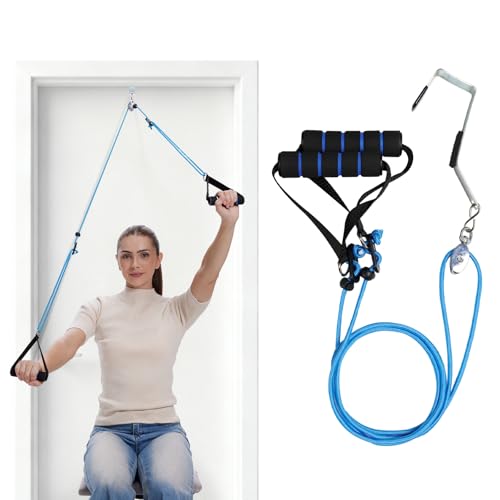
Shoulder Pulley for Physical Therapy, Pulleys for Shoulder Rehab, Over the Door Physical Therapy System, Arm Exercise Pulley Equipment (Blue)
Over-Door Shoulder Pulley for Rehab ROM: Designed to restore shoulder range of motion (ROM) during early rehabilitation, this…
As an affiliate, we earn on qualifying purchases.
As an affiliate, we earn on qualifying purchases.