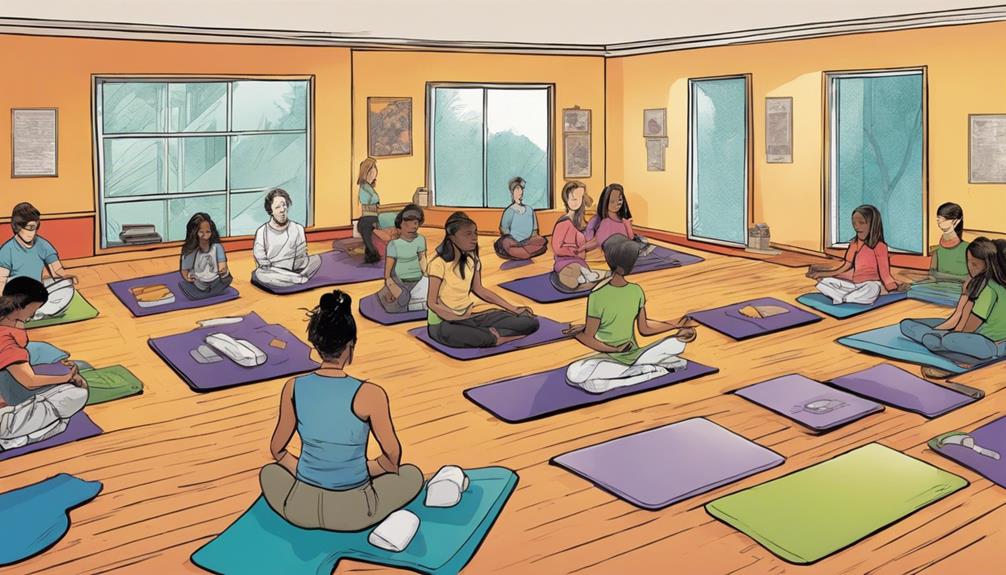
Somatic therapy in group settings helps you connect with others to foster community healing by increasing your awareness of bodily sensations, emotions, and natural rhythms. Through shared movement, breathwork, and collective experiences, you can process trauma, reduce shame, and feel supported. The group environment normalizes common struggles and encourages trust, making healing feel more attainable. Continuing will reveal how these dynamic processes can deepen your resilience and foster true collective recovery.
Key Takeaways
- Group somatic therapy enhances body awareness and emotional release through shared physical exercises like breathwork and movement.
- Collective participation normalizes common sensations, reducing shame and fostering trust and safety among group members.
- Experiencing shared struggles highlights that healing is a communal process, promoting connection and resilience.
- Connecting natural rhythms and cycles deepens holistic understanding of body, emotions, and environmental influences.
- Group dynamics provide validation and collective insight, supporting transformative healing from trauma and emotional distress.

Somatic therapy in group settings offers a powerful approach to healing by emphasizing the mind-body connection. When you participate in these groups, you’re encouraged to develop heightened body awareness, tuning into physical sensations, emotions, and subtle signals your body provides. This process helps you recognize how your body responds to stress, trauma, or emotional distress, fostering a deeper understanding of your internal world. In a group context, this awareness isn’t just personal; it becomes part of a collective experience. You realize that many others share similar struggles, which can lessen feelings of isolation and shame. As you become more attuned to your body, you also start noticing how collective trauma impacts everyone in the group, revealing shared patterns of tension, fear, or disconnection that stem from larger societal or community issues.
In these group sessions, you’re not alone in your healing journey. You’re surrounded by others who are also exploring their body awareness and confronting collective trauma. This shared environment creates a sense of safety, where you can open up about your experiences without judgment. As you witness others process their emotions through somatic exercises—like breathwork, movement, or grounding techniques—you gain insight into how physical release can lead to emotional release. This communal aspect amplifies the healing process because it demonstrates that your struggles are not isolated, but part of a broader human experience. You learn that collective trauma can manifest in physical ways, such as tightness, numbness, or restlessness, which can be addressed through intentional bodily awareness exercises.
Additionally, incorporating an understanding of wave and wind patterns in nature can deepen your awareness of the natural rhythms that influence your body and emotions, fostering a more holistic healing experience.
Participating in group somatic therapy encourages you to explore how your body holds trauma that might not be accessible through talk therapy alone. The group setting provides immediate feedback, validation, and shared understanding, which can accelerate your progress. You might discover that certain movements or sensations are common among group members, helping to normalize your experiences and reduce shame. As the group progresses, you’ll likely notice a collective shift—more openness, greater trust, and a sense of connectedness. This collective healing power underscores the importance of community in overcoming trauma, emphasizing that healing isn’t just an individual process but a shared journey. Ultimately, group somatic therapy guides you toward reclaiming your body’s wisdom, fostering resilience, and creating a supportive environment where healing from collective trauma becomes a shared, transformative experience.
Top picks for "somatic therapy group"
Open Amazon search results for this keyword.
As an affiliate, we earn on qualifying purchases.
Frequently Asked Questions
How Does Somatic Therapy Differ From Traditional Talk Therapy?
Somatic therapy differs from traditional talk therapy by focusing on embodiment practices to connect you with your physical sensations, emotions, and body awareness. Instead of solely discussing problems, you actively regulate emotions through breath, movement, and touch. This approach helps you access deeper emotional layers, fostering healing and resilience. You become more attuned to your body’s signals, promoting holistic recovery and a sense of empowerment that talk therapy alone might not provide.
Can Somatic Therapy Be Effective for Severe Trauma?
Yes, somatic therapy can be effective for severe trauma. It helps you build trauma resilience by focusing on bodily sensations, which enhances emotional regulation. Through grounding techniques and mindful awareness, you learn to process intense emotions safely. This approach supports healing even in complex cases, empowering you to reconnect with your body, reduce symptoms, and develop resilience, ultimately fostering a sense of safety and control over your trauma responses.
What Are the Common Physical Sensations Experienced During Sessions?
During sessions, you might experience a range of physical sensations like tingling, warmth, or tightness, which enhance your bodily awareness. These sensations strengthen the mind-body connection, helping you stay present and aware of your body’s responses. You may also notice shifts in your breathing, muscle tension, or even fleeting feelings of comfort or discomfort. Embracing these sensations allows you to explore and process emotions more deeply within the somatic therapy experience.
Is Group Somatic Therapy Suitable for Everyone?
Group somatic therapy isn’t suitable for everyone, especially when considering cultural considerations and accessibility challenges. You might find it beneficial if you’re comfortable sharing in a group and open to physical exploration. However, if cultural norms or physical limitations pose barriers, this approach may not be ideal. It’s important to assess your personal needs and consult with a practitioner to determine if group somatic therapy aligns with your healing journey.
How Do Confidentiality and Privacy Work in Group Settings?
Imagine a gentle river, where trust flows quietly. In group somatic therapy, confidentiality policies act as the banks that keep your shared stories safe, ensuring privacy concerns are respected. You’re encouraged to speak openly, knowing your words stay within the circle. The facilitator upholds these commitments, creating a safe space. By actively maintaining confidentiality, everyone feels secure, fostering healing and genuine connection within the community.
Conclusion
As you embrace somatic therapy in group settings, you open yourself to community healing and shared growth. Remember, this isn’t just some new-age fad—it’s a timeless practice rooted in the wisdom of ancient tribes who knew the power of collective energy. By actively participating, you help foster connection, resilience, and transformation for yourself and others. So, step into this journey with an open heart, and let the good vibes of communal healing carry you forward, just like in the days of yore.