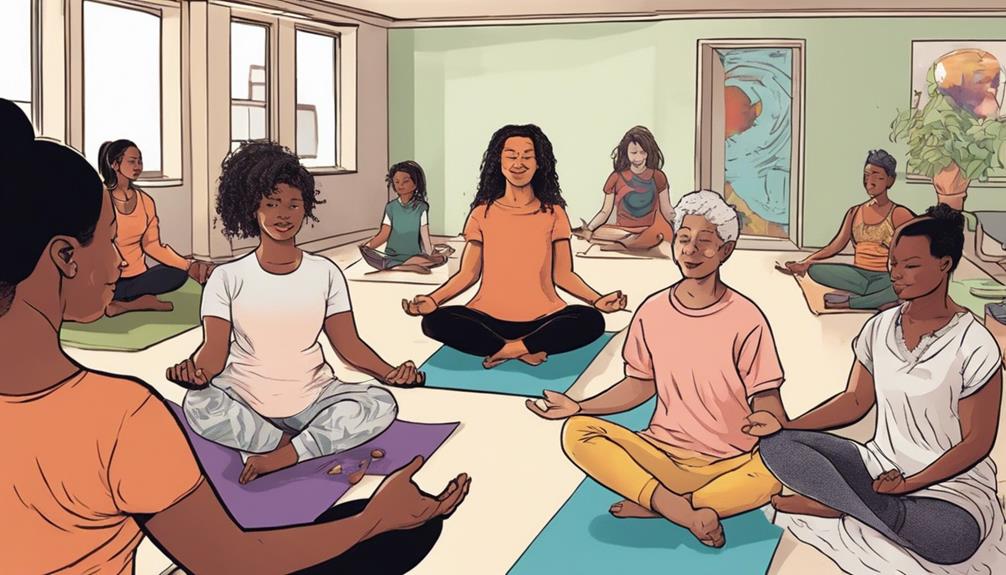

To reconnect with your body after burnout, start with mindfulness by focusing on your breath and physical sensations without judgment. Incorporate gentle movements like slow stretches or yoga to rebuild trust and awareness gradually. Practice consistently, dedicating a few minutes daily, and be patient with your progress. Celebrate small victories and use your breath to stay calm during challenges. If you keep exploring these mindful strategies, you’ll discover more ways to nurture your resilience and well-being.

Turn your quiet moments into listening time
- Thousands of audiobooks, podcasts and originals
- Listen on your phone, tablet or Echo — also offline
- Cancel anytime
Key Takeaways
- Practice mindfulness by sitting quietly and observing physical sensations without judgment.
- Incorporate slow, deliberate movements like yoga or tai chi to rebuild trust with your body.
- Use breath awareness during movement to promote calmness and emotional regulation.
- Establish a daily routine of gentle practices, allowing patience and self-compassion to guide recovery.
- Celebrate small progress to build resilience and deepen your connection to your body’s needs.
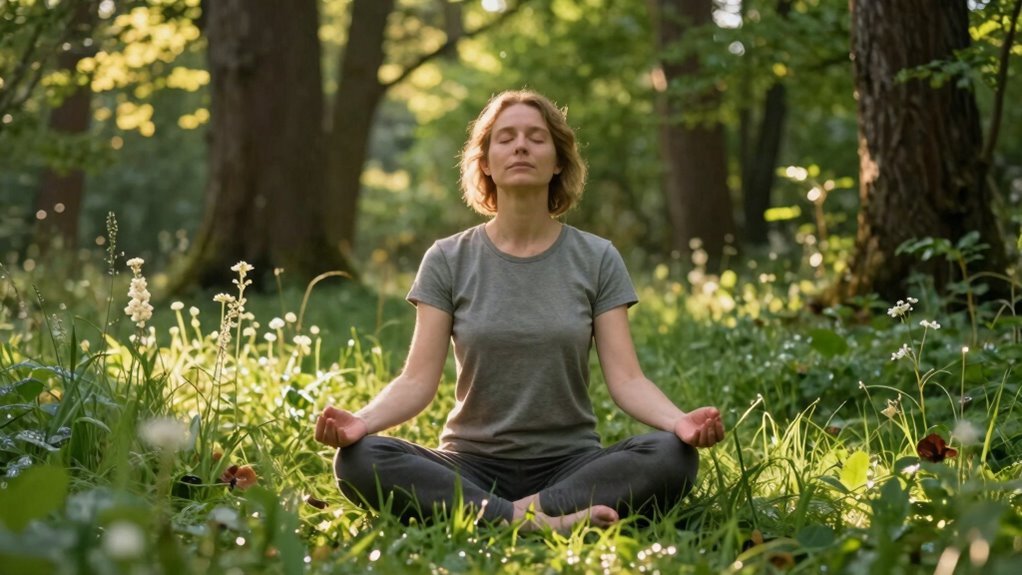
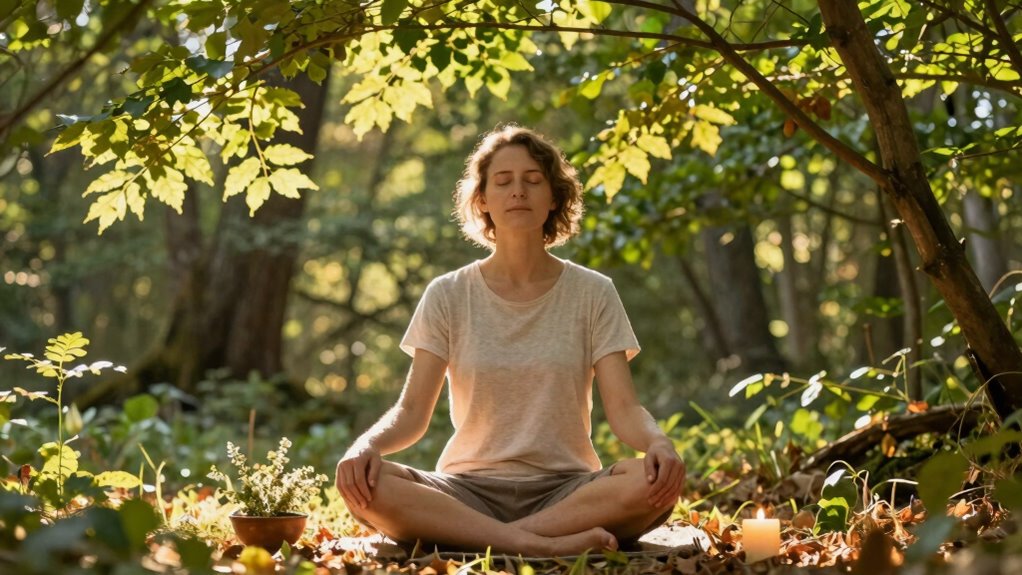
Burnout can leave you feeling disconnected from your body, making it difficult to feel grounded or present. You might notice that your body feels distant or numb, even when you’re doing everyday activities. Reconnecting with your body requires gentle attention and patience. One effective way to start is through mindfulness exercises, which help you tune into your physical sensations without judgment. Take a moment to sit quietly, close your eyes if you want, and focus on your breath. Notice the rise and fall of your chest, the coolness of the air on your skin, and the sounds around you. This simple practice brings you into the present moment and reminds you that your body is still there, supporting you.
Reconnect with your body through gentle mindfulness and patience to feel grounded and present again.
In addition to mindfulness exercises, incorporating gentle movement into your routine can markedly aid in reconnecting with your body. You don’t need intense workouts or demanding stretches—just slow, deliberate movements that allow you to feel your body’s natural rhythm. Try gentle stretches, like neck rolls, shoulder shrugs, or slow arm circles. Moving mindfully, paying close attention to how each part feels as it shifts, helps you rebuild trust with your body. Yoga or tai chi are also excellent options because they emphasize controlled, fluid motions that foster awareness and relaxation. The key is to move with intention, not speed, and to stay attuned to how your muscles and joints respond. Developing body awareness can deepen your connection and support your recovery process. Incorporating breath awareness into your practice can further enhance your sense of calm and presence. Being mindful of emotional regulation during your practice can help prevent overwhelm and enhance your overall well-being. Incorporating mindful movement into your daily routine can further enhance your ability to reconnect with your body’s sensations.
Consistency is essential. Set aside a few minutes each day to practice mindfulness exercises and gentle movement. Over time, these habits can help you break free from the disconnection caused by burnout. As you become more attuned to your body, you’ll start noticing subtle signals—hunger, fatigue, tension—that you might have previously ignored or suppressed. Recognizing these cues allows you to respond more compassionately and effectively. Remember, reconnecting isn’t about forcing yourself back into a pre-burnout state; it’s about gently rebuilding your awareness and trust in your body’s wisdom. Embracing patience and self-compassion during this process will foster a healthier relationship with your body and mind.
Finally, be kind to yourself throughout this process. Reconnection takes time, and your body needs patience and care. Celebrate small victories, like feeling more grounded during your mindfulness exercises or noticing less tension during gentle movement. These small steps accumulate, gradually restoring your sense of presence and vitality. Engaging in mindfulness practices that incorporate awareness of your environment can also enhance your ability to stay present. With consistent practice, you’ll find it easier to stay connected, even in challenging moments, and to nurture your body’s well-being as you recover from burnout. Remember, your body’s resilience and capacity for healing are remarkable when given the right space and attention.
As an affiliate, we earn on qualifying purchases.
Frequently Asked Questions
How Long Does It Typically Take to Recover From Burnout?
Recovery from burnout varies, but it often takes several weeks to months. You’ll need patience and consistent effort, incorporating mindfulness practices to reduce stress and gentle exercises to rebuild your strength. Prioritize rest, set boundaries, and listen to your body’s signals. With dedication and self-care, you’ll gradually regain energy and balance. Remember, healing isn’t linear, so celebrate small victories along the way to stay motivated.
Can Medication Help in Reconnecting With the Body Post-Burnout?
Medication benefits can support your journey by aiding emotional regulation, which is vital in reconnecting with your body after burnout. It can help reduce anxiety, improve mood, and restore balance, making it easier to engage in self-care and mindfulness practices. While medication isn’t a standalone solution, it can be a valuable part of an all-encompassing recovery plan, helping you regain awareness and trust in your body’s signals.
Are There Specific Diets That Aid in Burnout Recovery?
Yes, certain diets can dramatically boost your recovery from burnout. Focus on nutritional balance by filling your plate with whole foods, lean proteins, healthy fats, and plenty of fruits and vegetables. Consider dietary supplements like omega-3s, magnesium, and B-vitamins to support your energy and mood. These dietary choices help restore your body’s resilience, making you feel more energized, centered, and ready to conquer anything that comes your way.
How Can I Tell if I’M Making Progress in Reconnecting With My Body?
You can tell you’re making progress by noticing increased mindfulness practices and improved body awareness. If you find it easier to tune into physical sensations, emotions, or hunger cues, you’re reconnecting with your body. Small changes like feeling more grounded, experiencing less fatigue, or feeling more present during daily activities also indicate progress. Keep practicing patience and gentle self-compassion as you rebuild your connection and trust with your body.
Is It Necessary to Seek Professional Therapy During Recovery?
Seeking professional therapy isn’t always necessary, but it can be helpful during recovery. A therapist can guide you through mindfulness practices and help you process emotions, making it easier to reconnect with your body. Additionally, peer support groups provide a safe space to share experiences and gain encouragement. If your burnout symptoms persist or worsen, consulting a mental health professional guarantees you get tailored support for your journey back to well-being.
As an affiliate, we earn on qualifying purchases.
Conclusion
Reconnecting with your body after burnout takes patience and gentle effort. Don’t expect instant results—trust that small, consistent steps like mindful breathing or gentle movement will gradually restore your awareness. Remember, it’s normal to feel resistant or unsure at first; that’s part of the healing process. By being compassionate with yourself and embracing your pace, you’ll rebuild trust with your body and find renewed energy. Your well-being is worth the journey.
As an affiliate, we earn on qualifying purchases.
As an affiliate, we earn on qualifying purchases.
Halloween Picks
halloween
As an affiliate, we earn on qualifying purchases.