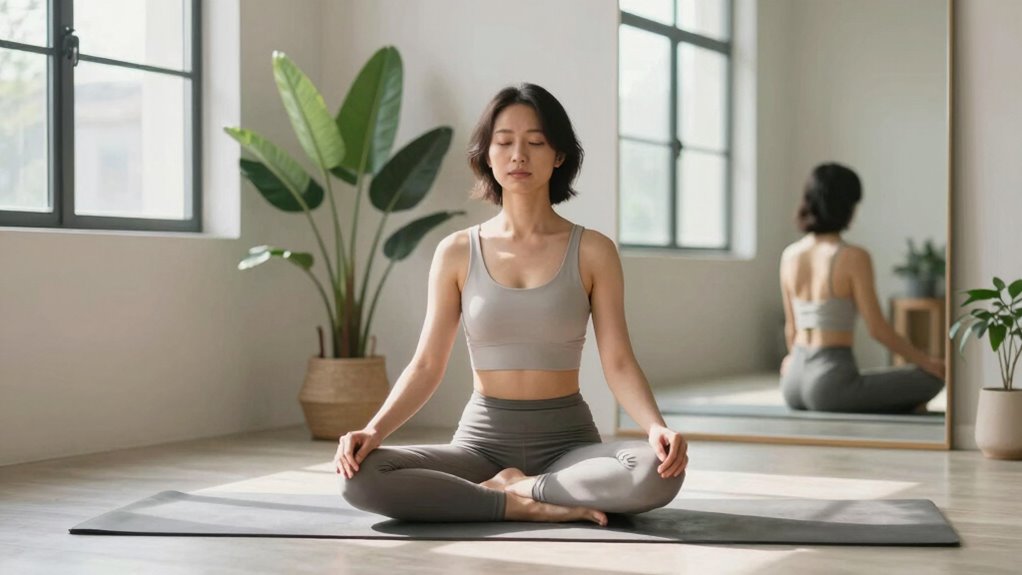

In somatic therapy, your posture can directly influence your mood by signaling safety and confidence to your brain. Slumped shoulders may make you feel drained or stressed, while standing tall with an open chest can boost your confidence and lift your spirits. Paying attention to your body and making simple adjustments can help regulate your emotions. To understand how small physical changes can create a big emotional shift, keep exploring these powerful connections.

Turn your quiet moments into listening time
- Thousands of audiobooks, podcasts and originals
- Listen on your phone, tablet or Echo — also offline
- Cancel anytime
Key Takeaways
- Posture influences emotional states by signaling confidence or stress to the brain.
- Adjusting body alignment can help reduce anxiety and elevate mood through somatic practices.
- Deep, deliberate breathing techniques calm the nervous system, improving emotional resilience.
- Body awareness reveals tension patterns linked to negative emotions, enabling targeted regulation.
- Consistent physical adjustments foster a positive feedback loop between body and emotional well-being.
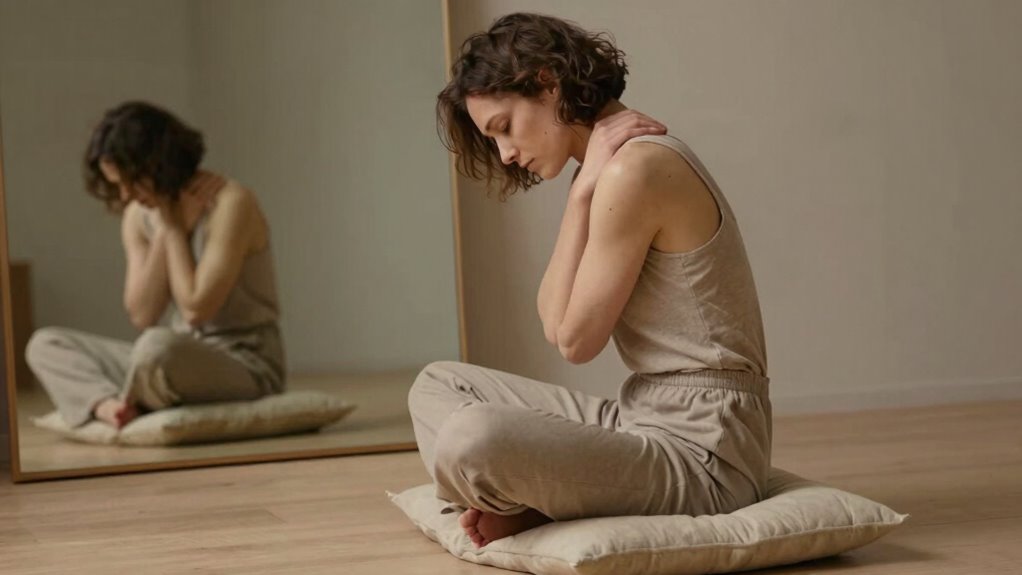
Have you ever noticed how your posture can influence your mood? It’s a subtle but powerful connection that somatic therapy emphasizes. When you sit or stand with slumped shoulders, you might feel more drained, stressed, or even depressed. Conversely, standing tall with open chest and relaxed limbs can boost your confidence and lift your spirits. This isn’t just about how you look; it’s about how your body communicates with your mind. By developing greater body awareness, you can see how your posture reflects your emotional state and, more importantly, how adjusting it can change how you feel.
Breathing techniques are a key part of this process. When you’re anxious or overwhelmed, your breathing often becomes shallow and rapid, reinforcing those negative feelings. Somatic therapy encourages you to slow down and focus on deep, deliberate breaths that expand your chest and belly. This kind of conscious breathing calms your nervous system, helping you regain control over your emotional responses. As you practice, you’ll notice that your posture naturally shifts—your shoulders soften, your chest opens, and your head lifts. These physical changes reinforce a sense of calm and resilience, creating a positive feedback loop between body and mind. Additionally, understanding the role of body awareness can help you recognize how physical sensations relate to emotional states, making it easier to intervene with mindful adjustments.
Body awareness plays a crucial role here. It involves paying close attention to how your body feels in different situations—where you hold tension, how your muscles respond, and how your posture shifts throughout the day. When you tune into these sensations, you gain insight into your emotional states without judgment. For example, noticing that you tend to hunch your shoulders when stressed alerts you to your mood. With this awareness, you can consciously choose to adjust your posture—straightening your back or relaxing your jaw—and notice how those small shifts influence your feelings. Additionally, understanding the significance of contrast ratio in visual perception can be metaphorically related to how different postures can alter your emotional clarity. Recognizing how visual contrast influences perception can help you understand how subtle physical changes can make a big difference in your emotional awareness. Somatic therapy combines these elements—body awareness and breathing techniques—to help you break free from the cycle of negative mood patterns. By intentionally aligning your posture with a sense of openness and strength, you signal to your brain that you’re safe and confident. This physical stance can diminish feelings of anxiety or sadness and foster a more optimistic outlook. The connection between physical and emotional health is rooted in body-mind integration, emphasizing the importance of holistic approaches. The more you practice, the more natural it becomes to use your body as a tool for emotional regulation. In doing so, you empower yourself to not only understand your mood better but to actively shape it through simple, mindful adjustments to how you carry yourself.
posture correction ergonomic chair
As an affiliate, we earn on qualifying purchases.
As an affiliate, we earn on qualifying purchases.
Frequently Asked Questions
How Quickly Can Somatic Therapy Improve Posture?
You might notice improvements in your posture within a few sessions of somatic therapy, but it varies. While some posture myths suggest quick fixes, cultural influences often shape deeply ingrained habits. Somatic therapy helps you become aware of these patterns and gently release tension. Consistent practice and openness to change speed up progress, allowing you to realign your posture gradually and experience mood benefits linked to better body awareness.
Are There Specific Exercises to Enhance Mood Through Posture?
Yes, specific exercises can boost your mood through posture awareness. Think of it as a dance between your mind and body: gentle chest openers and shoulder rolls help you stand taller, which naturally enhances your mood. Practicing yoga poses like mountain or warrior pose fosters mood enhancement by encouraging confidence and relaxation. Regularly using these exercises creates a positive feedback loop, making you feel better both physically and emotionally.
Does Posture Affect Mental Health Beyond Somatic Therapy?
Posture definitely impacts your mental health beyond somatic therapy. When you improve your body awareness and practice open, upright postures, you often boost your confidence and mood. Good posture encourages emotional expression, helping you feel more connected and less stressed. Conversely, slouching can reinforce negative feelings and reduce your emotional resilience. So, by consciously adjusting your posture, you can positively influence your mental well-being.
Can Posture Correction Replace Traditional Therapy for Mood Disorders?
Posture correction can’t replace traditional therapy for mood disorders, but posture awareness and emotional expression play essential roles in mental health. Improving your posture may boost confidence, reduce stress, and promote better mood, but it doesn’t address underlying issues like trauma or chemical imbalances. Combining posture exercises with therapy can enhance overall well-being, supporting your emotional health more thoroughly. Stay proactive and seek professional help if needed.
What Are Common Signs of Posture-Related Mood Issues?
Did you know that poor posture can increase feelings of depression and anxiety by up to 20%? You might notice signs like slumped shoulders, a forward head position, or a closed-off stance. Posture awareness is key, as it impacts emotional expression and overall mood. If you see these signs in yourself, paying attention to your posture could help improve your emotional well-being and boost your mood naturally.
As an affiliate, we earn on qualifying purchases.
Conclusion
By paying attention to your posture, you hold the key to opening better mood and emotional balance. Think of your body as a garden; nurturing it with mindful movements and open postures allows your mental landscape to bloom. When you stand tall and breathe deeply, you’re planting seeds of confidence and calm within. Remember, your body and mind are intertwined—treat them with kindness, and watch your emotional well-being flourish like a resilient, vibrant garden.
body awareness meditation cushion
As an affiliate, we earn on qualifying purchases.
As an affiliate, we earn on qualifying purchases.
As an affiliate, we earn on qualifying purchases.
Halloween Picks
halloween
As an affiliate, we earn on qualifying purchases.