

Pendulation in daily regulation shows up when you naturally shift between feeling tense or anxious and then calming yourself through mindful actions. You might notice your heart race before taking deep breaths, or feel muscles relax after a moment of focus on your body. These shifts help balance your nervous system and build resilience. By paying attention to these oscillations, you can intentionally guide yourself toward calm. Keep exploring to learn more ways to support this natural process.

Turn your quiet moments into listening time
- Thousands of audiobooks, podcasts and originals
- Listen on your phone, tablet or Echo — also offline
- Cancel anytime
Key Takeaways
- Shifting from feelings of anxiety or tension to a state of calm through mindful breathing or grounding techniques.
- Noticing and observing mood and energy changes to consciously guide your emotional responses.
- Using small, intentional movements or pauses to oscillate between activation and relaxation.
- Creating a balanced environment to support natural nervous system oscillations and reduce external stressors.
- Repeatedly practicing these shifts to build resilience and enhance emotional flexibility over time.
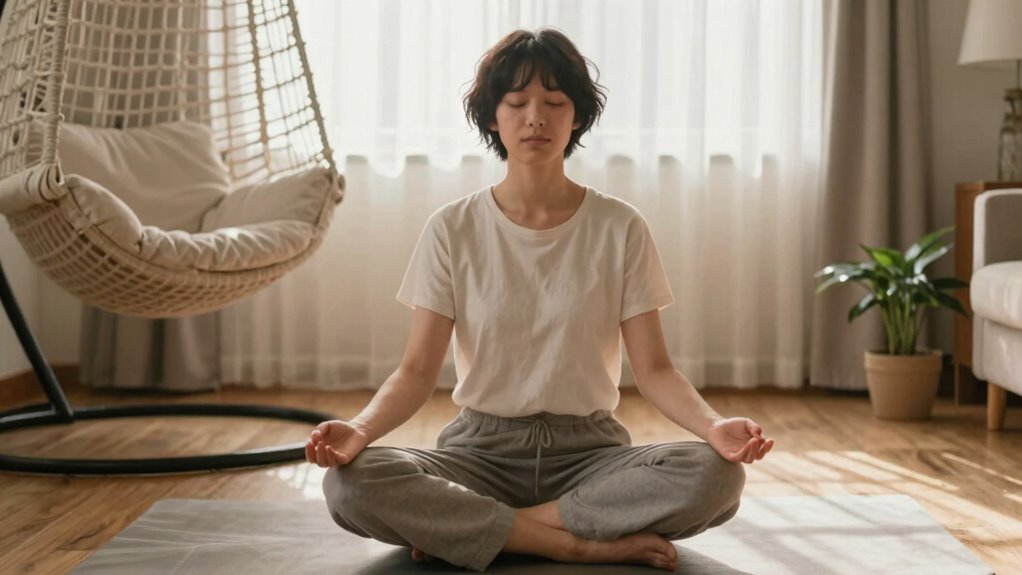
Have you ever noticed how your mood or energy levels swing throughout the day? One moment, you might feel totally motivated and focused, and the next, you’re overwhelmed or drained. That fluctuation is a natural part of daily regulation, and understanding how pendulation works can help you manage it better. Pendulation is a concept rooted in trauma therapy, describing how we naturally shift between states of activation and calm, and it plays an essential role in building emotional balance and resilience. When you consciously recognize these shifts, you can guide yourself through them instead of feeling caught off guard.
Recognize your mood swings to better manage emotional shifts and build resilience.
In everyday life, pendulation shows up when you go from feeling stressed or anxious to feeling more grounded and relaxed. For example, imagine you’re preparing for an important meeting. You might start feeling nervous, your heart racing, thoughts spinning — a state of heightened arousal. Then, as you take a few deep breaths or step outside for a quick walk, your body begins to shift toward calm. You notice your heartbeat slowing, your muscles relaxing, and your mind clearing. That’s pendulation in action: your nervous system naturally oscillating between activation and rest, helping you regain emotional balance. Recognizing this natural rhythm can also help you develop self-regulation skills that make handling stress more manageable. Understanding the biological basis of pendulation can enhance your ability to intentionally foster these shifts, making emotional regulation more intuitive. Additionally, incorporating hydrating ingredients into your routine can support your nervous system’s ability to manage these fluctuations more effectively. Developing an awareness of these oscillations can also foster greater mindfulness in daily life, allowing you to respond more thoughtfully rather than react impulsively.
Furthermore, being aware of these natural oscillations can help you create a more balanced environment, whether through home soundproofing or other calming practices, to minimize external stressors that might disrupt your internal rhythm. This process isn’t just about feeling better in the moment; it’s also a fundamental tool for resilience building. Each time you consciously allow yourself to move from stress to calm, you strengthen your ability to bounce back from challenging situations. It’s like training your nervous system to handle stress more effectively. Over time, these small shifts become easier and more automatic, so you’re less likely to feel overwhelmed by emotions or external stressors. You start to see that your mood and energy are not fixed states but fluid, adjustable through simple, mindful practices.
mindful breathing exercises for anxiety
As an affiliate, we earn on qualifying purchases.
As an affiliate, we earn on qualifying purchases.
Frequently Asked Questions
How Can I Tell if I’M Pendulating or Just Feeling Overwhelmed?
You can tell if you’re pendulating or overwhelmed by paying close attention to your body and breathing. If you notice your breathing slowing and your body settling, you’re likely pendulating—shifting between discomfort and calm. Use breathing techniques to anchor yourself, and practice body awareness to identify subtle changes. Overwhelm tends to feel more intense and persistent, while pendulation involves gentle, intentional shifts that restore balance gradually.
Are There Specific Signs That Indicate Successful Pendulation?
Successful pendulation feels like riding gentle waves, where your mindful awareness guides your body through calm and storm. You notice your physiological responses easing, like tension releasing or breathing slowing. Signs include increased resilience to overwhelm and a sense of stability returning after a distressing moment. When you’re pendulating well, you can shift between states with ease, maintaining a balanced awareness that keeps you grounded and in control.
Can Pendulation Be Harmful if Done Incorrectly?
Pendulation can be harmful if done incorrectly, especially if you push yourself too hard during trauma recovery. You might re-trigger intense emotions or overwhelm your emotional resilience. It is crucial to move gradually and listen to your body’s signals. When done properly, pendulation strengthens your emotional regulation skills, but rushing or forcing it can set back your progress. Always prioritize safety and seek guidance if unsure.
How Long Should I Stay in Each Pendulation Phase?
Think of pendulation as tuning a guitar string—you don’t want to stay in one note too long. Usually, stay in each phase for a few seconds to a minute, depending on your comfort. Use mindfulness techniques or grounding exercises to gently shift between states. If you notice increased distress, return to a calmer phase sooner. The goal is gentle, gradual movement, not pushing yourself beyond your limits.
Does Pendulation Work for All Types of Emotional Distress?
Yes, pendulation can work for all types of emotional distress, but its effectiveness varies based on individual circumstances. You build emotional resilience by gently shifting between distress and safety, helping you process trauma recovery over time. While it’s a versatile tool, some people may need additional support or different techniques for certain issues. Practicing patience and consistency enhances its benefits, making it a valuable part of your overall emotional regulation strategy.
grounding techniques for emotional regulation
As an affiliate, we earn on qualifying purchases.
As an affiliate, we earn on qualifying purchases.
Conclusion
As you navigate daily challenges, think of pendulation as the steady sway of a lighthouse beam—guiding you between calm and storm. Embrace this dance, knowing each swing back to serenity strengthens your resilience. When emotions feel like turbulent waters, allow yourself to drift with the wave, then gently return to stillness. By honoring this natural rhythm, you become the steady anchor amidst life’s unpredictable tides, shining your light with balanced grace.
As an affiliate, we earn on qualifying purchases.
calming products for stress relief
As an affiliate, we earn on qualifying purchases.
As an affiliate, we earn on qualifying purchases.
Fall Picks
fall essentials
As an affiliate, we earn on qualifying purchases.