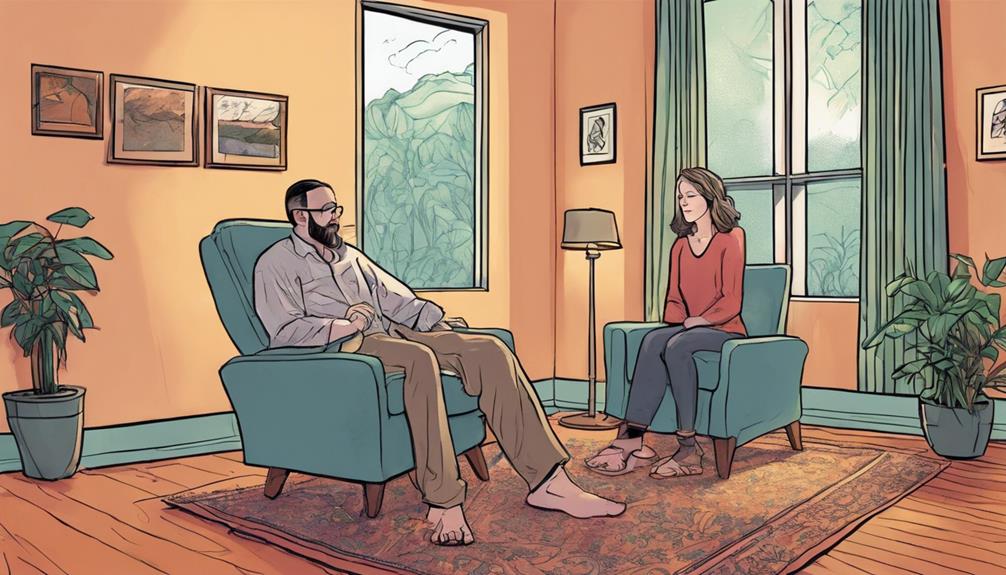

To build capacity for big feelings slowly, start by acknowledging your emotions without judgment and identify the triggers behind them. Practice staying present with your feelings through mindfulness, and sit with minor discomfort to increase your tolerance. Use calming techniques like deep breathing and journaling, gradually facing more intense emotions over time. Remember, progress takes patience—each small step strengthens your resilience. If you keep working at it, you’ll find yourself managing emotions more effectively and gaining confidence in your emotional growth.

Turn your quiet moments into listening time
- Thousands of audiobooks, podcasts and originals
- Listen on your phone, tablet or Echo — also offline
- Cancel anytime
Key Takeaways
- Practice pausing and observing emotions without judgment to increase self-awareness and prevent suppression.
- Gradually sit with discomfort, focusing on bodily sensations to build tolerance over time.
- Use mindfulness and breathing techniques to stay present during intense feelings.
- Recognize emotional triggers and patterns to respond more thoughtfully and reduce overwhelm.
- Maintain consistency and patience, understanding that emotional resilience develops gradually.

Have you ever wondered how some people seem to handle intense emotions with ease? It often looks effortless, but behind that calm exterior is a skill you can develop: building capacity for big feelings. The key lies in cultivating emotional resilience and self-awareness. When you’re aware of your emotional landscape, you can respond thoughtfully rather than react impulsively. Emotional resilience isn’t about avoiding feelings; it’s about developing the strength to experience them fully without becoming overwhelmed.
The first step is to slow down. Instead of pushing your feelings aside or suppressing them, acknowledge what you’re experiencing. Pausing gives you a moment to observe your emotions without judgment. Ask yourself, “What am I feeling right now?” and notice where those feelings are rooted. This self-awareness is crucial because it helps you understand your emotional triggers and patterns. When you recognize these, you gain a sense of control over your reactions, which in turn builds your resilience over time. Incorporating techniques like mindfulness can further support this process by helping you stay present with your emotions.
Start small. Allow yourself to sit with a minor upset or frustration without immediately trying to fix or escape it. Breathe deeply and focus on your body’s sensations—notice where you feel tension or heat, and breathe into those areas. This practice helps you build tolerance for discomfort, gradually increasing your emotional capacity. Over time, you’ll find that you can handle bigger feelings without feeling like they’re going to swallow you whole. Remember, building capacity is a gradual process; patience is your ally here. Developing this skill also involves understanding emotional regulation, which helps manage reactions more effectively. Recognizing the importance of self-awareness in this process can help you stay committed to your growth.
As you deepen your self-awareness, you’ll begin to notice patterns in your emotional responses. Perhaps certain situations trigger anxiety, or a particular comment sparks anger. When you identify these patterns, you can develop coping strategies that are tailored to your needs. You might journal your feelings, talk to a trusted friend, or practice mindfulness. These tools reinforce your resilience by helping you stay grounded during emotional storms. Recognizing emotional triggers allows you to prepare and respond more thoughtfully in future situations.
Consistency is key. Each time you consciously face a big feeling, you’re strengthening your capacity. Over time, your emotional resilience grows, and handling intense emotions becomes less daunting. Remember, it’s not about never feeling overwhelmed but about building your ability to navigate those feelings with patience and self-awareness. Slowly, you’ll find that your emotional world becomes more manageable, and you’re better equipped to ride the waves of big feelings without losing your balance. Building emotional resilience is a vital part of this process.
As an affiliate, we earn on qualifying purchases.
Frequently Asked Questions
How Long Does It Take to Build Emotional Capacity?
Building emotional capacity takes time, often several months to years, depending on your consistency and efforts. You develop emotional resilience by gradually exposing yourself to feelings and practicing feeling management techniques. As you consistently work on understanding and handling your emotions, you’ll notice your capacity to experience and cope with big feelings improves. Remember, patience is key—you’re strengthening your emotional muscles step by step, and progress varies for everyone.
Can I Build Capacity Without Therapy or Counseling?
You can definitely build capacity without therapy or counseling by practicing self-awareness techniques and mindfulness. Think of it as planting seeds—you start small, observe your reactions, and gradually grow stronger. Mindfulness helps you stay present with your feelings, making them easier to handle. Regularly reflecting on your emotions and practicing patience with yourself allows you to expand your emotional resilience over time, even without professional help.
Is Emotional Capacity the Same as Emotional Intelligence?
Emotional capacity isn’t exactly the same as emotional intelligence, but they’re related. Emotional intelligence involves understanding your emotions, which boosts emotional awareness, and managing them through self-regulation skills. Building emotional capacity means increasing your ability to handle intense feelings over time. When you develop emotional awareness and self-regulation skills, you’re strengthening both your emotional intelligence and your capacity to manage big feelings effectively.
How Do I Know if I’M Ready to Handle Bigger Feelings?
You’ll know you’re ready when your emotional awareness amplifies and resilience skills strengthen. If you can acknowledge your feelings without overwhelming, and bounce back from setbacks with patience, you’re likely prepared for bigger feelings. Pay attention to how comfortably you handle small emotional shifts. When you notice steady self-control and supportive self-talk, it signals you’re gaining the grit and grace to manage more intense emotions confidently and calmly.
Are There Age Differences in Building Emotional Capacity?
Yes, age differences influence how you build emotional capacity, rooted in child development and emotional resilience. Younger children develop emotional resilience gradually, learning to manage feelings through support and experience. As you grow, your capacity for big feelings expands naturally, but it’s essential to develop skills at your own pace. Recognizing these stages helps you build resilience effectively, ensuring you’re prepared for more intense feelings as your emotional maturity increases over time.
As an affiliate, we earn on qualifying purchases.
Conclusion
As you nurture your capacity for big feelings, imagine yourself as a sturdy oak tree weathering every storm. With patience and gentle growth, each breath becomes a leaf unfurling, each experience a rain that nourishes your roots. Over time, your emotional landscape blooms with resilience and grace, turning chaos into a symphony of strength. Remember, it’s in the slow, steady nurturing that you truly blossom into the vibrant, resilient soul you’re meant to be.
As an affiliate, we earn on qualifying purchases.
stress relief adult coloring book
As an affiliate, we earn on qualifying purchases.
As an affiliate, we earn on qualifying purchases.
Halloween Picks
halloween
As an affiliate, we earn on qualifying purchases.