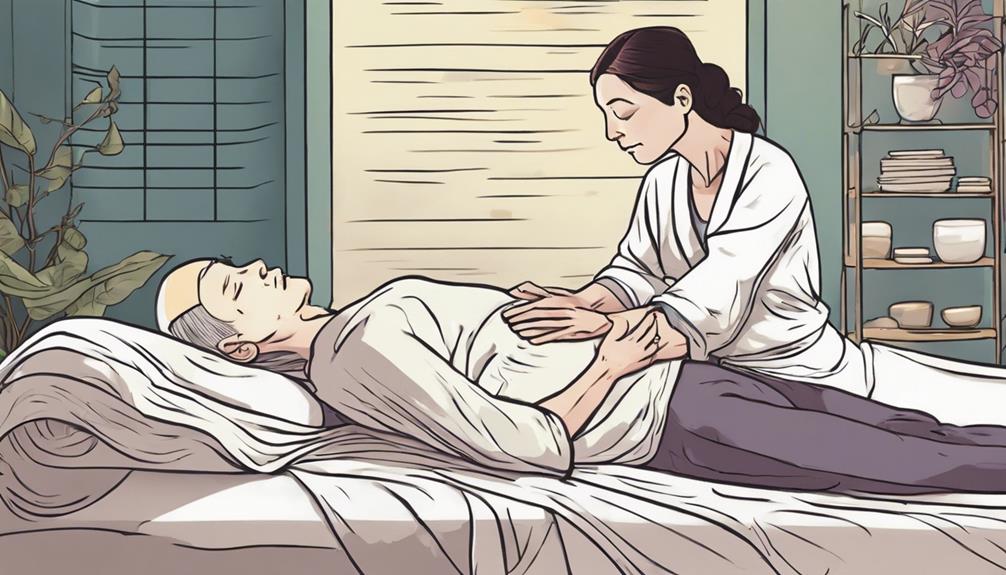
Breathwork in somatic therapy offers effective grounding techniques by helping you connect with your body and release tension. Practices like slow, deep breathing activate your nervous system’s calming response, promoting relaxation and emotional regulation. Focusing on present sensations and breathing into areas of tension fosters awareness and stability, especially during stress or trauma. Consistently incorporating these methods builds resilience and self-awareness, empowering you to navigate emotions with confidence—discover more ways to deepen your experience and support your well-being.
Key Takeaways
- Breathwork activates the parasympathetic nervous system, promoting relaxation and grounding during somatic therapy sessions.
- Techniques such as diaphragmatic and box breathing help anchor awareness in the body and reduce overwhelm.
- Mindful breathing fosters present moment focus, increasing body awareness and emotional stability.
- Conscious breath exploration releases stored tension and emotional trauma, reinforcing a sense of safety and stability.
- Regular breathwork practice strengthens self-regulation skills, supporting ongoing grounding and resilience.

Breathwork has become an essential component of somatic therapy because it directly engages your body’s natural ability to process and release stored tension and trauma. When you focus on your breath, you’re tapping into a powerful tool for grounding and self-awareness. One effective way to do this is through mindfulness exercises, which help you stay present and cultivate a non-judgmental attitude toward your sensations and emotions. As you practice mindful breathing, you become more aware of how your body responds to stress and tension, making it easier to gently release those feelings.
Incorporating specific breathing techniques can markedly improve your emotional regulation. For example, slow, deep breaths activate your parasympathetic nervous system, signaling your body to relax and calm down. This process reduces feelings of anxiety and helps you regain control during overwhelming moments. When you pay attention to your breath, you create a safe space to observe your emotional landscape without becoming overwhelmed by it. This mindful awareness allows you to respond more thoughtfully rather than react impulsively, fostering resilience and emotional stability over time.
Practicing intentional breathwork also encourages you to develop a deeper connection with your body. As you settle into a rhythm, you may notice areas of tension or discomfort that you previously ignored. By consciously breathing into these areas, you facilitate release and promote a sense of grounding. This process can be especially helpful after stressful or traumatic experiences, as it helps you process emotions stored in your body rather than suppressing them. Over time, these mindfulness exercises become a regular part of your routine, strengthening your ability to stay centered and balanced amid life’s challenges.
Moreover, breathwork enhances your capacity for emotional regulation by providing a simple, accessible tool you can use anytime. Whether you’re feeling anxious before a presentation or overwhelmed by difficult emotions, taking a few mindful breaths can reset your nervous system and restore clarity. As you become more skilled at noticing your breath and tuning into your body, you’ll find it easier to manage intense feelings without resorting to avoidance or repression. This ongoing practice fosters a sense of empowerment and self-control, enabling you to navigate emotional ups and downs with greater ease.
In essence, integrating mindfulness exercises into your breathwork practice transforms it into a powerful method for grounding and emotional regulation. By consciously controlling your breath, you reconnect with your body’s innate wisdom, fostering resilience and emotional well-being. Over time, these techniques become second nature, equipping you with lifelong tools to stay grounded and centered, no matter what life throws your way. Fostering resilience is a key benefit of consistent breathwork practice.
Frequently Asked Questions
Can Breathwork Replace Traditional Therapy Methods?
Breathwork alone can’t replace traditional therapy methods, but it’s a valuable tool in your holistic healing journey. It helps with emotional regulation and deepens your connection to your body, complementing talk therapy or medication. By integrating breathwork, you enhance your overall mental health and foster resilience. Remember, combining approaches often yields the best results, so use breathwork alongside other treatments for all-encompassing healing and emotional balance.
How Often Should I Practice Breathwork for Grounding?
Research shows that consistent breathwork can reduce stress and increase emotional resilience. For grounding, aim for daily practice, as this helps establish a routine and maximizes benefits. Follow frequency guidelines by practicing for about 10-15 minutes each day. You’ll find that regular breathwork enhances your sense of calm and stability over time, making it a powerful tool for managing daily stress and staying grounded.
Is Breathwork Safe for Everyone?
Breathwork is generally safe for most people, but it’s important to prioritize your comfort and awareness. If you have respiratory issues, mental health concerns, or are pregnant, consult a healthcare professional first. Focusing on breath awareness can help you regulate emotions and stay grounded. Always listen to your body, practice in a safe environment, and stop if you feel dizzy or uncomfortable to guarantee a positive experience.
What Are Common Signs of Emotional Release During Breathwork?
You might think you’re just breathing, but during breathwork, you could notice emotional awareness surfacing—tears, trembling, or a sudden need to cry. These release symptoms aren’t just random; they signal deep emotional release. Ironically, what feels like a simple breath can unseal intense feelings, showing you that emotional release during breathwork often manifests as physical sensations or shifts in mood, revealing your inner landscape.
How Do I Find a Qualified Somatic Therapist?
To find a qualified somatic therapist, look for someone with proper qualifications and certification, as these guarantee they’re trained in safe, effective techniques. Check their credentials from reputable organizations and ask about their experience with breathwork and grounding methods. Certification matters because it certifies they’ve met industry standards. Trust your instincts, and don’t hesitate to ask questions about their approach to find someone you feel comfortable with and confident in.
Conclusion
Think of breathwork as your internal compass, guiding you through the stormy seas of emotion to find calm shores. Each mindful inhale and exhale acts like a steady lighthouse beam, grounding you amid chaos. By practicing these techniques, you’re building a resilient vessel, ready to navigate life’s ups and downs with grace. Keep steering with your breath, and you’ll discover a safe harbor within, no matter how turbulent the waves outside.