When you face unavoidable or painful circumstances, embracing radical acceptance helps you surrender control and acknowledge the reality without judgment. This practice doesn’t mean liking what’s happening but recognizing it as part of your present situation. By doing so, you conserve emotional energy, reduce resistance, and foster resilience. Accepting is often the only way to find peace and move forward. If you continue to explore, you’ll discover ways to cultivate deeper acceptance and emotional strength.
Key Takeaways
- Radical acceptance involves fully embracing reality without resistance, even when letting go feels necessary.
- It helps reduce suffering by accepting what cannot be changed, fostering emotional resilience.
- Letting go through radical acceptance allows emotional energy to be redirected toward growth and healing.
- Recognizing when to surrender enables patience, compassion, and peace in difficult situations.
- Practicing mindfulness and surrender facilitates moving forward when letting go is the only viable option.

Radical acceptance is a powerful practice that encourages you to fully embrace your current reality, even when it’s difficult or painful. When you practice mindful surrender, you acknowledge your feelings without judgment, allowing yourself to accept what is beyond your control. This doesn’t mean you approve of or like the circumstances; instead, it’s about recognizing the truth of your situation without resistance. By doing so, you create space for emotional resilience to grow. Instead of fighting against your pain or disappointment, you learn to sit with it, which gradually diminishes its power over you. This process can feel uncomfortable at first, but with consistent effort, it transforms your relationship with suffering and helps you find peace amid chaos.
Mindful surrender is at the core of radical acceptance. It’s about intentionally turning your attention inward, observing your thoughts and emotions with curiosity rather than judgment. When you accept your reality, you’re less likely to get caught up in denial or denial’s counterpart—resistance. Instead, you meet your experience with openness, which fosters emotional resilience. Resilience isn’t about avoiding pain; it’s about developing the capacity to bounce back from adversity. Radical acceptance gives you tools to handle emotional upheaval more skillfully, so setbacks don’t crush you or derail your progress. Over time, you recognize that suffering is part of life, and accepting it doesn’t make it easier necessarily, but it makes it more manageable. You stop wasting energy fighting what can’t be changed and start focusing on what you *can* do.
Incorporating techniques such as effective location scouting can help you find environments conducive to mindful practice and emotional healing. As you cultivate radical acceptance, you begin to see the value in surrendering control over what’s outside your influence. This shift allows you to conserve your emotional energy and direct it toward healing and growth. Instead of wasting effort trying to change the unchangeable, you learn to accept the present moment—warts and all. This acceptance becomes a foundation for emotional resilience because it helps you develop patience and compassion, both for yourself and others. You realize that resistance only prolongs suffering, while acceptance creates space for clarity and peace. Over time, you feel more grounded, capable of steering life’s inevitable challenges with greater ease. Ultimately, radical acceptance is about kindness—toward yourself and your circumstances—and understanding that sometimes, the only way forward is to let go and surrender to what is.

Retrospec Sedona Zafu Meditation Cushion with Buckwheat Hull Fill – Adjustable Yoga & Pilates Equipment Support – 17in Crescent Cotton Cover
NATURAL COMFORT & SUPPORT: Filled with sustainable buckwheat hulls, this meditation cushion elevates your practice by aligning your…
As an affiliate, we earn on qualifying purchases.
As an affiliate, we earn on qualifying purchases.
Frequently Asked Questions
How Do I Start Practicing Radical Acceptance Daily?
To start practicing radical acceptance daily, focus on mindfulness practices that help you stay present and acknowledge your feelings without judgment. When challenging emotions arise, remind yourself to accept them as they are, building emotional resilience. You can do this by pausing during the day, taking deep breaths, and observing your thoughts and emotions. Over time, this consistent effort will help you let go of resistance and embrace acceptance naturally.
Can Radical Acceptance Help With Chronic Pain?
Yes, radical acceptance can help with chronic pain by encouraging you to embrace your experience without resistance. Using mindfulness techniques, you become more aware of your sensations and emotions, reducing suffering. This practice boosts emotional resilience, helping you cope better. Instead of fighting your pain, you accept it as part of your current reality, which can lessen its intensity and improve your overall well-being.
What Are Common Challenges in Embracing Radical Acceptance?
You might find embracing radical acceptance challenging because judgmental thinking often clouds your perspective, making it hard to accept things as they are. Emotional avoidance can also make it difficult, as you may resist facing painful feelings rather than embracing them fully. These challenges can create resistance, but recognizing them is the first step toward cultivating a more compassionate, accepting mindset that helps you let go and move forward.
How Does Radical Acceptance Differ From Resignation?
When you ask how radical acceptance differs from resignation, consider that radical acceptance involves mindful acknowledgment of reality and emotional surrender without judgment. You actively choose to accept your situation, fostering peace and understanding. Resignation, however, implies giving up or passively accepting without effort or intent. You maintain awareness and presence in radical acceptance, whereas resignation often leads to helplessness and stagnation.
Is Radical Acceptance Suitable for All Emotional Struggles?
You might think radical acceptance isn’t suitable for all emotional struggles, but it actually enhances emotional resilience and mental flexibility. By embracing reality without resistance, you foster growth and inner peace, even in tough situations. While some challenges demand different approaches, radical acceptance can be a powerful tool for many emotional struggles, helping you let go of suffering and move forward with clarity and strength.

Mind Brain Emotion 52 Essential Coping Skills Cards – Self Care Exercises for Stress and Social Anxiety Relief – Resilience, Emotional Agility, Confidence Therapy Games for Teens, Adults
Build skills, reduce stress: Powerful CBT, meditation, and somatic exercises to become organized, focused, confident. Overcome anxiety, anger,…
As an affiliate, we earn on qualifying purchases.
As an affiliate, we earn on qualifying purchases.
Conclusion
Radical acceptance isn’t about waving a magic wand or undoing your past like a scroll unrolling in a medieval tome. It’s about choosing to embrace reality, even when it’s tough, like a sailor accepting the storm rather than fighting it. When you let go of resistance, you free yourself to move forward—sailing smoothly through life’s unpredictable seas. Remember, sometimes the only way forward is to drop anchor and accept where you are, just as a ship rests in calm waters.

Beautiful You: A Daily Guide to Radical Self-Acceptance
As an affiliate, we earn on qualifying purchases.
As an affiliate, we earn on qualifying purchases.
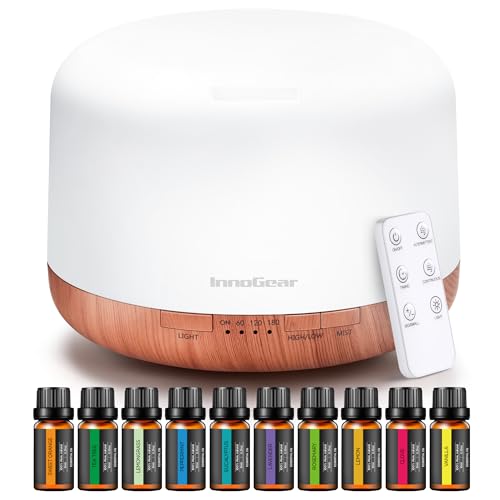
InnoGear Aromatherapy Diffuser & 10 Essential Oils Set, 500ml Essential Oil Diffuser with Remote Control Ultrasonic Cool Mist Scent Humidifier Vaporizer Auto-Off Timer for Room Office Home, Yellow
Premium 10-Piece Essential Oil Set – Ten 10ml bottles of 100% pure natural oils (peppermint, orange, lavender, tea…
As an affiliate, we earn on qualifying purchases.
As an affiliate, we earn on qualifying purchases.