

Feeling at home in the present moment means creating internal peace and acceptance, no matter what’s happening outside. It’s about tuning into your breath, sensations, and emotions, rather than being overwhelmed by external circumstances. By practicing mindfulness and grounding yourself emotionally, you can build a stable sense of calm that’s always accessible. This inner sense of belonging grows with effort and patience, helping you feel more authentic and resilient in everyday life. Keep exploring to deepen that inner peace.
Key Takeaways
- Feeling at home in the present moment is about internal peace and acceptance, not physical surroundings.
- Cultivating mindfulness helps anchor awareness and fosters a sense of familiarity within oneself.
- Emotional grounding allows connection to the present without overwhelm or distraction.
- Consistent effort and habits deepen inner stability and resilience.
- Feeling at home internally enables authentic living, regardless of external circumstances.

Feeling at home in the present moment isn’t about a physical place; it’s about cultivating a sense of peace and acceptance within yourself right now. When you embrace this idea, you begin to see that feeling truly “at home” is more about your internal state than your surroundings. To do this, a consistent mindfulness practice can help you stay rooted in the here and now. It’s not about emptying your mind entirely but about observing your thoughts and feelings without judgment. When you focus on your breath, sensations, or sounds around you, you create a space of calm within that anchors you to the present. Over time, this practice strengthens your emotional grounding, helping you feel more stable regardless of external chaos or uncertainty. Cultivating inner resilience allows you to navigate life’s challenges with steadiness and clarity.
Feeling at home in the present is about cultivating inner peace through mindful awareness and non-judgmental observation.
Emotional grounding is essential because it keeps you connected to the present, especially during difficult moments. When you’re emotionally grounded, you acknowledge your feelings without becoming overwhelmed by them. Instead of resisting or suppressing emotions, you allow yourself to experience them fully, recognizing that they’re temporary and part of your human experience. This awareness helps you avoid getting lost in worries about the future or regrets about the past, both of which can make you feel disconnected from the present. As you develop emotional grounding, you learn to trust yourself more, knowing you can comfortably sit with your feelings without judgment. That sense of trust creates a feeling of being “at home” within yourself, no matter what’s happening externally.
You’ll notice that feeling at home in the present moment requires intentional effort. It’s about choosing to slow down and tune in to your inner experience. When you notice your mind wandering or emotions rising, gently bring your focus back to your breath or your bodily sensations. This act of returning to the present reinforces your emotional grounding and deepens your sense of peace. Over time, these small acts of mindfulness become habits that strengthen your internal sense of stability. With practice, you’ll find that you can carry this feeling of home wherever you go, no longer dependent on external circumstances.
Ultimately, feeling at home in the present moment is an ongoing journey. It’s about cultivating awareness, patience, and compassion toward yourself. Through mindfulness and emotional grounding, you create a sanctuary within—an inner space where peace and acceptance thrive. When you consistently return to this space, you realize that feeling at home isn’t something you find outside yourself; it’s something you create within. And that realization becomes a powerful foundation for living more fully, authentically, and peacefully.
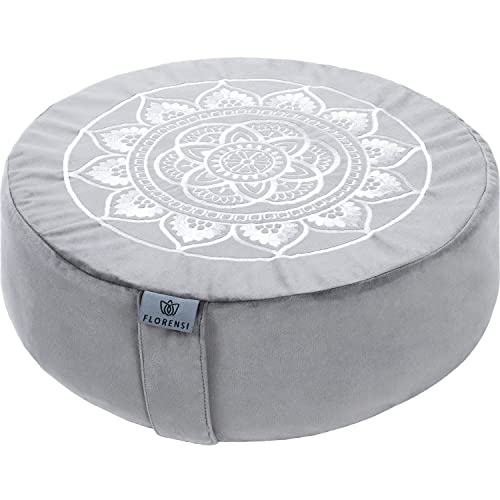
Florensi Meditation Cushion Grey Velvet Buckwheat Round Yoga Floor Seat
- Comfortable Meditation Seating: Stable and supportive for meditation and yoga
- Buckwheat Filled Cushion: Conforms to your seating for support
- Soft Velvet Cover: Stylish and comfortable surface for daily use
As an affiliate, we earn on qualifying purchases.
As an affiliate, we earn on qualifying purchases.
Frequently Asked Questions
How Can I Cultivate Awareness of the Present Moment Daily?
To cultivate awareness of the present moment daily, practice mindful breathing by taking slow, deep breaths whenever you notice your mind wandering. Engage your sensory awareness by paying attention to your surroundings—the sounds, textures, and smells around you. Incorporate these techniques into your daily routine, like during breaks or before bed, to stay grounded. Consistent practice helps you develop a stronger connection with the present and feel more at home within it.
What Are Common Obstacles to Feeling at Home Now?
You might find that your mind’s busy chatter and past regrets are the biggest obstacles to feeling at home now. Ironically, seeking control or perfection can block your inner peace and emotional resilience. Distractions, judgments, or worries create walls, making it hard to settle into the present. Recognizing these patterns allows you to let go, embrace the moment, and build a true sense of belonging inside yourself.
Does Feeling at Home Vary Across Different Cultures?
Feeling at home varies across cultures because emotional comfort depends on cultural differences. In some cultures, feeling at home might mean being surrounded by family and community, while in others, it’s about personal space and independence. You may find that what provides emotional comfort differs, influencing how quickly you feel at home. Recognizing these cultural differences helps you understand that feeling at home is a deeply personal and diverse experience.
How Does Mindfulness Influence Our Sense of Belonging?
Mindfulness practices enhance your sense of belonging by helping you stay present and aware of your feelings and surroundings. When you practice mindfulness, you develop emotional resilience, allowing you to navigate social situations with openness and acceptance. This emotional strength fosters deeper connections, making you feel more at home wherever you are. As a result, mindfulness creates a genuine sense of belonging by anchoring you in the present moment and your authentic self.
Can Feeling at Home in the Moment Reduce Anxiety?
Yes, feeling at home in the moment can reduce anxiety by fostering inner peace and emotional resilience. When you focus on the present, you let go of worries about the past or future, calming your mind. This sense of belonging helps you feel secure and grounded, allowing you to navigate stress more effectively. Over time, embracing the present builds strength and stability, making it easier to handle life’s challenges.

R-EXHALE Breathing Necklace Classic Shift – Habitual Breath Practice, Meditation, Anxiety and Stress Relief – Professionally Designed Breathing Tool to Promote Calm, Relaxation and Mindfulness
- Stress Relief & Relaxation: Encourages slow, controlled breathing for calm
- Supports Mindfulness & Focus: Enhances concentration and mental clarity
- Smoke-Free Habit Support: Aids in replacing smoking with mindful breathing
As an affiliate, we earn on qualifying purchases.
As an affiliate, we earn on qualifying purchases.
Conclusion
When you embrace the present, you find a gentle warmth that quietly settles within, like a familiar song played softly in the background. It’s not about perfect moments, but about allowing yourself to rest in the here and now, even when the world feels restless. By opening your heart to what is, you create a cozy space where peace can softly bloom—your quiet sanctuary amidst life’s fleeting shadows.

Switch Research Emotions Journal – Self Care Journal – Psychologist-Backed Manifestation Journal – Therapist Recommended Affirmation – Beautiful Self Care for Women – Size: A4
- Psychologist-Developed Strategies: Research-backed emotional well-being techniques
- Heal Negative Patterns: Targets and overcomes emotional habits
- Start Healing Today: Data-driven tools for faster results
As an affiliate, we earn on qualifying purchases.
As an affiliate, we earn on qualifying purchases.

TIME TIMER Home MOD – 60-Minute Visual Timer Home Edition, Silent Operation Study Tool for Kids Desk, Homeschool Supplies, Office & Meetings (Lake Day Blue)
- Time Management: Helps improve focus and productivity
- Inclusive Design: Suitable for all ages and abilities
- Versatile Use: Customizable with removable silicone covers
As an affiliate, we earn on qualifying purchases.
As an affiliate, we earn on qualifying purchases.