During pregnancy, hormonal changes like increased estrogen and progesterone make your dreams more vivid and emotionally intense. These shifts affect your sleep patterns, causing lighter and more fragmented sleep, which helps you remember dreams better. Your dreams often include themes of babies, fears, or future plans, reflecting your feelings and physical sensations. This emotional rollercoaster influences the content and intensity of your dreams. Keep exploring to understand how these hormonal fluctuations shape your dream world even more.
Key Takeaways
- Hormonal fluctuations during pregnancy, especially increased estrogen and progesterone, enhance dream vividness and emotional intensity.
- Sleep becomes more fragmented and lighter, leading to more frequent awakenings and better dream recall.
- Dream content often features themes related to babies, fears, and future scenarios reflecting emotional and physical experiences.
- Elevated hormone levels heighten emotional sensitivity, making dreams more impactful and emotionally charged.
- These hormonal and sleep changes influence brain activity, shaping the surreal and meaningful nature of pregnancy dreams.

Have you ever wondered why your dreams become more vivid or unusual during pregnancy? It’s a question many expecting mothers ask as they notice their nighttime visions more intense or bizarre. The answer often lies in the complex changes happening within your body, particularly related to prenatal sleep and hormonal fluctuations. During pregnancy, your body undergoes significant hormonal shifts, such as increased levels of estrogen and progesterone. These hormones play a *vital* role in supporting your pregnancy, but they also influence your brain’s activity during sleep, leading to more vivid and sometimes emotionally charged dreams.
Hormonal changes during pregnancy make dreams more vivid and emotionally intense.
As your hormones fluctuate, they affect your brain chemistry and sleep patterns. You might find yourself waking up more frequently during the night, which can lead to more opportunities for memory consolidation of dreams. This increased awakening, combined with hormonal impacts on the brain, makes your dreams feel more intense or surreal. Additionally, prenatal sleep itself becomes more fragmented and lighter as your body adjusts to the physical and emotional demands of pregnancy. This restless sleep cycle can make dreams seem more memorable because you’re waking up more often during REM sleep—the stage when most dreaming occurs.
The hormonal fluctuations also influence the content of your dreams. Many women report dreaming more about babies, pregnancy fears, or future life scenarios. These dreams often reflect your subconscious processing the myriad emotions and concerns associated with becoming a parent. Your mind is working overtime to navigate the physical discomforts of pregnancy, such as nausea or back pain, and the emotional rollercoaster of anticipation, hope, and anxiety. The heightened emotional state caused by hormonal changes can make these dreams feel more vivid and emotionally impactful.
Furthermore, during pregnancy, your brain is actively adapting to new roles, including preparing for motherhood. This mental preparation manifests in dreams that sometimes feature nurturing, protecting, or even transforming symbols related to your changing body and identity. The hormonal fluctuations heighten your emotional sensitivity, making it easier for your subconscious to weave these themes into your dreams. As a result, you may wake up with strong impressions of these dreams, sometimes recalling details more clearly than usual.
In addition, research suggests that these hormonal and sleep changes may temporarily alter your brain’s emotional processing capabilities, making dreams more emotionally charged. The combination of altered prenatal sleep patterns and hormonal fluctuations creates a fertile ground for more vivid, emotionally charged dreams. These dreams serve as a mirror for your evolving inner world, reflecting your hopes, fears, and preparations for the new chapter ahead. Understanding this connection can help you appreciate the richness of your pregnancy experience, even in the midst of restless nights.

Unisom SleepTabs, Nighttime Sleep-aid, Doxylamine Succinate, 80 Tablets
INCLUDES: One (1) 80-count bottle of Unisom SleepTabs Nighttime Sleep-aid; one tablet per dose
As an affiliate, we earn on qualifying purchases.
As an affiliate, we earn on qualifying purchases.
Frequently Asked Questions
Do Dreams During Pregnancy Predict the Baby’s Gender?
Dreams during pregnancy don’t reliably predict your baby’s gender through gender prediction or dream symbolism. While some believe that certain symbols or themes in your dreams might hint at the baby’s gender, there’s no scientific evidence supporting this. Your dreams are influenced by hormonal changes and emotions, not actual predictions. Trust ultrasound or medical tests for accurate gender information, and enjoy your pregnancy without relying on dream symbolism.
How Do Sleep Positions Influence Pregnancy Dreams?
You might find that your sleep position influences your pregnancy dreams, with some studies suggesting side sleeping increases dream intensity. Sleeping on your left side, in particular, enhances blood flow and comfort, possibly leading to more vivid dreams. Your sleep position can affect how deeply you dream, making your nighttime experiences more intense. So, changing your sleep position might just give you more memorable, impactful dreams during pregnancy.
Are Pregnancy Dreams Linked to Mental Health?
Pregnancy dreams are often linked to your mental health, reflecting your emotional well-being. When your emotional state is stable, your sleep quality improves, leading to more restful dreams. Conversely, anxiety or stress can cause vivid, unsettling dreams. Paying attention to your emotional health helps you manage these dreams better. Prioritize self-care and relaxation to support both your mental health and sleep quality during pregnancy.
Can Medication Affect Dream Patterns in Pregnant Women?
Medication can act like a ripple in a pond, changing your dream patterns during pregnancy. You might notice altered dream content or disrupted sleep because medication side effects and hormonal impact influence your brain’s activity. Some medicines may increase vivid dreams, while others cause forgetfulness or sleep disturbances. Always talk to your healthcare provider about potential effects, ensuring you understand how your medication might shape your nightly visions.
Do Dreams Change After Childbirth?
Yes, your dreams often change after childbirth. You might notice new prenatal dream symbolism reflecting your evolving emotions and experiences. Postpartum sleep disturbances can cause vivid or fragmented dreams, making it harder to rest. These changes are normal as your body adjusts to motherhood. Embrace these dreams as part of your journey, helping you process your new role and the profound shifts happening in your life.
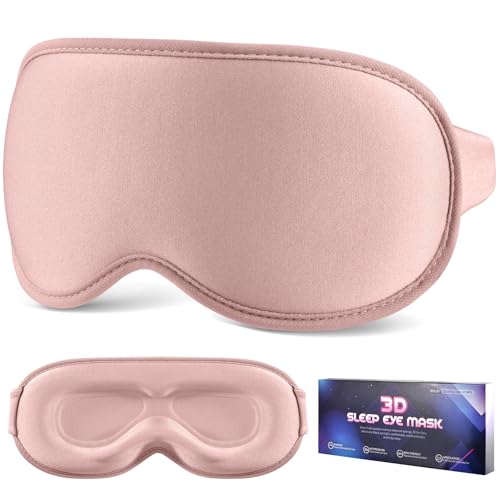
Sleep Mask for Side Sleeper Women Men, Eye Mask for Sleeping Light Blocking, 3D Contoured Cup Sleeping Mask, Soft Breathable Sleep Eye Mask with Adjustable Elastic Strap for Travel Pink
No light Leakage: With the heightened 22 mm adaptive hollow nose bridge, sleep mask fully fits all nose…
As an affiliate, we earn on qualifying purchases.
As an affiliate, we earn on qualifying purchases.
Conclusion
As you navigate pregnancy, your dreams become a mirror of your changing world—like a garden blooming with new colors and scents. Hormonal shifts stir your subconscious, turning your nights into a vivid landscape of hopes, fears, and love. Embrace these dreams as a beautiful tapestry, weaving your journey into a story uniquely yours. Just as dawn follows night, your dreams remind you that growth and transformation are part of your incredible path to motherhood.
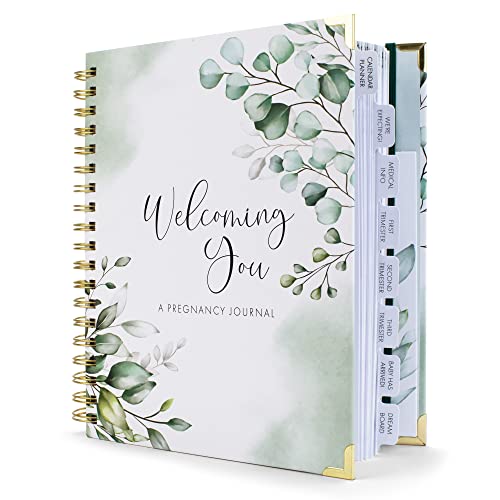
Pregnancy Journal and Memory Book with Stickers and Keepsake Pocket – Lovely Must Have Gift for First Time Moms to Be – The Perfect Planner to Track Your Little Ones Life-Changing Journey
Stay Organized And Enjoy a More Relaxed Pregnancy: The 9×10” pregnancy journal by ZICOTO is the perfect companion…
As an affiliate, we earn on qualifying purchases.
As an affiliate, we earn on qualifying purchases.

Momcozy Pregnancy Pillows with Cooling Cover, U-Shaped Full Body Maternity Pillow for Side Sleepers 57 Inch – Support for Back, Hip, Belly, Legs for Pregnant Women
Stay Cooling All Night – Momcozy new pregnancy pillows come with a special Cooling Cover that has excellent…
As an affiliate, we earn on qualifying purchases.
As an affiliate, we earn on qualifying purchases.