When you only remember fragments, focus on jotting down the most vivid images, sounds, sensations, or feelings that stand out most clearly. Don’t worry about making sense of them right away—just record what hits you strongly. Use keywords, simple sketches, or quick notes to capture these details. These strong impressions will act as anchors, guiding you to connect more memories. Keep going, and you’ll uncover more layers as you explore these initial clues.
Key Takeaways
- Record the most vivid and emotionally impactful fragments first to anchor your memory.
- Use single words or strong images as cues, avoiding immediate analysis or organization.
- Write down sensory details (sights, sounds, smells) that stand out the most.
- Capture any specific objects, phrases, or people linked to the fragments.
- Keep notes simple and accessible, enabling easy expansion and connection later.

Have you ever tried to recall a memory only to find yourself grasping at scattered fragments? It’s frustrating when details slip through your mind like grains of sand, and all you’re left with are disjointed pieces. The key to reconstructing those elusive moments lies in how you approach these fragments. Instead of trying to remember everything at once, focus on gathering your strongest memory cues and organizing what you do remember. This process can turn chaos into clarity and help you piece together the bigger picture.
Start by jotting down the most vivid fragments you can recall. These might be specific sights, sounds, smells, or feelings associated with the memory. Even a single word or image can serve as a powerful memory cue, triggering other related details. Don’t worry about making sense of everything right away—just get those fragments onto paper or your device. Once you have them written down, look for patterns or connections. This is where fragment organization becomes essential. Group similar details together, whether they’re sensory impressions, emotions, or contextual clues. For example, if you remember a particular place, list out all the sensory details associated with it: the texture of the furniture, the scent in the air, the lighting, and the sounds. Organizing these fragments helps you create a mental map, guiding your brain toward related memories you might have overlooked.
Jot down vivid fragments, then organize them to create a mental map and uncover hidden details.
As you arrange your fragments, pay attention to how they relate to each other. Sometimes, a small detail can act as a bridge—an object, a phrase, or a person—that links different parts of your memory. Use these clues as anchor points to expand on what you remember. If a particular detail sparks a new idea or sensation, write that down too. Incorporating visualization techniques can further enhance your ability to recall details by engaging your imagination to recreate sensory experiences. Additionally, understanding the nature of memory can help you develop more effective strategies for retrieval and reconstruction. Recognizing how memory cues operate can also help you identify the most effective triggers for your own recall process.
Memory cues are your allies in this process. They act as triggers, guiding your mind back to the full story. The more you work with your fragments and organize them thoughtfully, the easier it becomes to access deeper layers of your memory. Remember, it’s not about instantly recalling everything perfectly but about gradually building a coherent narrative from the bits you hold onto. With patience and a strategic approach to fragment organization, you’ll find yourself reconstructing memories that once seemed lost in the chaos of scattered details.

Tonfarb 136GB Digital Voice Recorder with Playback,9775 Hours Audio Record
- High-Quality PCM Recording: Supports 1536 kbps HD audio with noise reduction
- Large Storage Capacity: 136GB total storage for thousands of hours
- Extended Battery Life: Up to 68 hours of continuous recording
As an affiliate, we earn on qualifying purchases.
As an affiliate, we earn on qualifying purchases.
Frequently Asked Questions
How Do I Organize Fragmented Memories Effectively?
Start by jotting down any vivid images or emotional cues you recall, as these form the backbone of your visual storytelling. Organize fragments chronologically or by theme to create clarity. Use sketches, keywords, or quick notes to capture the essence of each memory. This method helps you piece together the story more effectively, allowing your fragmented memories to evolve into a coherent, emotionally resonant narrative.
What Tools Are Best for Jotting Down Quick Notes?
Ever wonder how to quickly capture fleeting thoughts? Use digital apps like Evernote or OneNote for instant jotting, or try mind mapping tools like XMind to organize fragmented memories visually. These tools let you jot down ideas on the go, ensuring nothing slips away. Are you ready to keep your ideas organized and accessible? With these options, you’ll efficiently record quick notes and turn fragments into clarity.
How Can I Improve My Memory Recall Over Time?
To improve your memory recall over time, use mnemonic techniques like acronyms or rhymes, which make information easier to remember. Incorporate visualization strategies by creating vivid mental images related to the material. Practice regularly and review your notes to reinforce your memory. Combining these methods helps strengthen neural connections, making recall more efficient. Stay consistent, and over time, you’ll notice significant improvements in your ability to remember details.
Should I Write in Detail or Just Keywords?
You should focus on keywords and key phrases to capture memory triggers quickly, rather than writing in full detail. This approach helps you jot down fragments faster, ensuring you don’t lose critical cues. Use journaling strategies that emphasize quick notes, so your memory triggers remain accessible for later expansion. Over time, reviewing and elaborating on these keywords can strengthen your recall, making your memory more resilient and easier to revisit.
How Do I Handle Conflicting or Incomplete Fragments?
When handling conflicting or incomplete fragments, focus on visual cues and emotional triggers to guide you. Write down what stands out—images, feelings, or sensations—then note any contradictions or gaps. Use these cues to connect fragments later, filling in missing details or clarifying conflicts. Trust your intuition and keep an open mind, knowing that these clues can lead you to a clearer understanding or new insights.
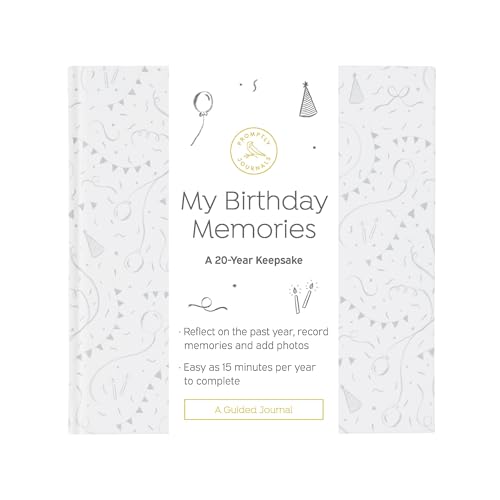
Promptly Journals My Birthday Memories: A 20-Year Keepsake (Confetti, White, Linen) | Yearly Memory Journal | Birthday Gifts for Adults
- 20 Years of Memories: Captures milestones over two decades
- Quick Annual Entries: Complete in just 15 minutes per year
- Premium Hardcover Design: Embossed linen cover with archival paper
As an affiliate, we earn on qualifying purchases.
As an affiliate, we earn on qualifying purchases.
Conclusion
When you only remember fragments, start by jotting down the most vivid details first—like colors, sounds, or emotions. Don’t worry about completeness; capturing snippets helps piece everything together later. Curiously, studies show that recalling partial memories can improve overall memory accuracy over time. So, trust your instincts, record what stands out, and you’ll gradually rebuild the bigger picture, turning fleeting fragments into a meaningful story. Your memory’s potential is more powerful than you think.

The Ultimate Mind Mapping Notebook: Blank Mind Map Template Workbook to Improve Memory and Focus for Studying, Organizing Thoughts and Brainstorming
As an affiliate, we earn on qualifying purchases.
As an affiliate, we earn on qualifying purchases.

108 Mindfulness Cards for Coping Skills, Mind Brain Emotional Insight Cards
- Dual-Action Emotional Wellness System: Complete cycle of care with two decks
- Evidence-Based Tools: 108 cards rooted in CBT, DBT, and Somatic Therapy
- Structured Card Design: Each card offers Action, Insight, and Practice
As an affiliate, we earn on qualifying purchases.
As an affiliate, we earn on qualifying purchases.